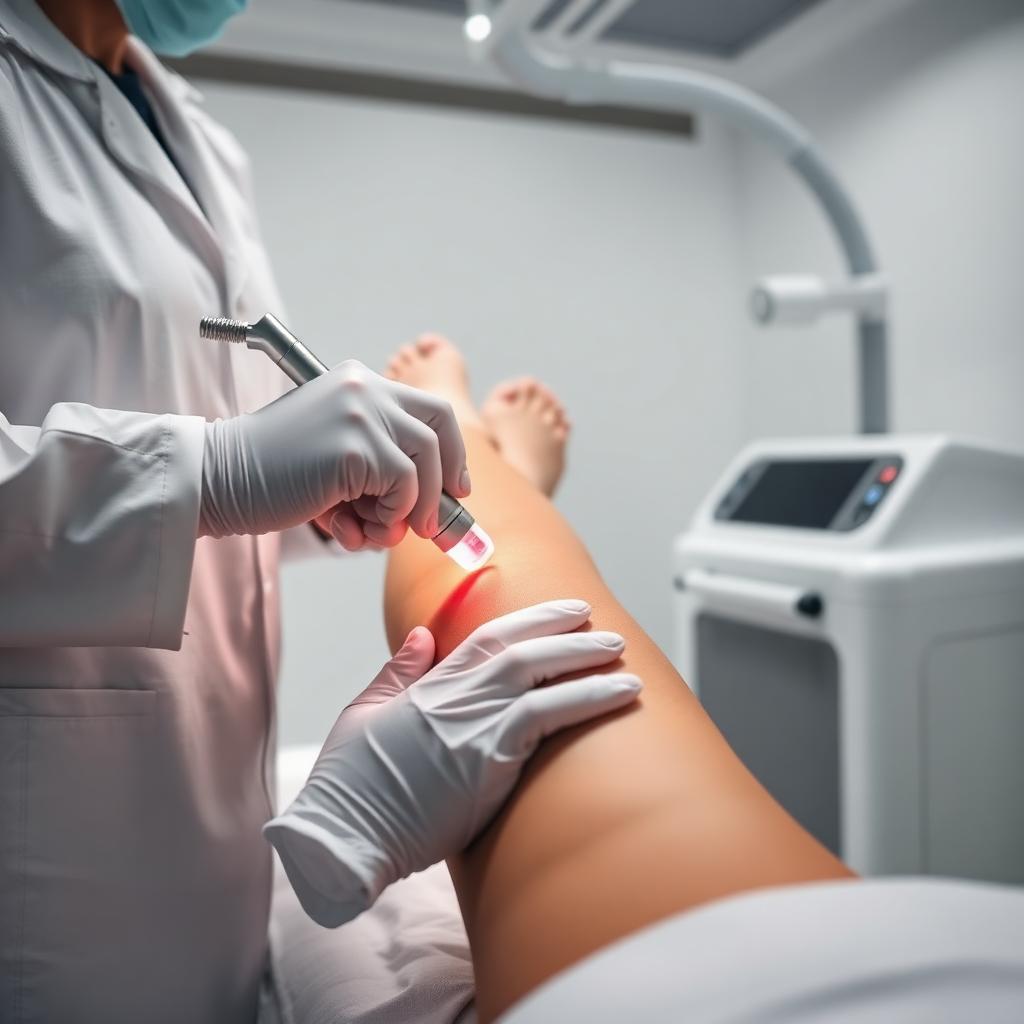
Laser hair removal is one of the most popular aesthetic treatments in Dubai — and one of the most misunderstood. The promise is appealing: smoother skin, fewer ingrowns, less time spent shaving and waxing, and a long-term reduction in hair growth. The reality is more nuanced. Outcomes depend on far more than just 'having the laser done'. They depend on the laser technology used, how it is matched to your skin type and hair type, the experience of the operator, the consistency of your treatment plan and the quality of your aftercare. Choose well, and laser hair removal in Dubai is one of the most reliable and satisfying treatments you can invest in. Choose poorly, and the same treatment can deliver disappointing results — or, in the worst cases, burns, pigmentation changes and avoidable side effects.
This guide is an honest, doctor-led explanation of what to look for when choosing a laser hair removal clinic in Dubai Healthcare City. It covers the main laser technologies and how they differ, why skin type assessment is so important — particularly for darker skin tones common in the region — what genuinely makes a good laser clinic, the most common mistakes patients make, what realistic results actually look like, and the safety considerations that should sit behind every session. The goal is not to sell you a package, but to help you make a well-informed decision about your skin and your time.
Table of Contents
- Why Choosing the Right Laser Clinic Matters
- Understanding Different Laser Technologies
- Why Skin Type Assessment Is Important
- What Makes a Good Laser Hair Removal Clinic
- Common Mistakes Patients Make With Laser Hair Removal
- Realistic Expectations and Number of Sessions
- Laser Hair Removal Safety and Side Effects
- Why Many Patients Prefer Dubai Healthcare City Clinics
- FAQ
Why Choosing the Right Laser Clinic Matters
Laser hair removal is a medical procedure. It uses focused light energy that is absorbed by the pigment (melanin) in the hair follicle, generating heat that damages the follicle and reduces its ability to regrow hair. That same energy, if poorly delivered, can also be absorbed by the pigment in the skin — and that is where things go wrong. Different clinics use different devices, different settings and different levels of medical oversight. Aggressive settings are not 'stronger' or 'better' — in the wrong skin type, they meaningfully increase the risk of burns, post-inflammatory hyperpigmentation, hypopigmentation and patchy results.
A properly run laser clinic does not treat every patient the same way. The right device, the right wavelength, the right pulse duration, the right fluence and the right cooling are selected based on your individual skin type, hair colour, hair thickness, hormonal background and treatment history. That clinical decision-making — not the brand of the laser on the website — is what separates safe, effective Laser Hair Removal in Dubai from the rest.
Understanding Different Laser Technologies
There is no single 'best laser' for hair removal. Different wavelengths interact with skin and hair in different ways, and the right choice depends on the individual patient. The most common technologies used in modern medical laser clinics are the following.
Alexandrite Laser
The Alexandrite laser (typically 755 nm) is most commonly used on lighter skin tones with darker hair. The shorter wavelength is well absorbed by melanin in the hair, which makes it efficient and fast on suitable skin types. It is less appropriate for darker skin tones, where the same melanin absorption increases the risk of side effects in the skin itself.
Nd:YAG Laser
The Nd:YAG laser (1064 nm) uses a longer wavelength that penetrates more deeply and is less absorbed by melanin in the upper layers of the skin. This makes it a safer first-line choice for darker skin tones (Fitzpatrick IV–VI) and tanned skin, where shorter-wavelength devices carry a higher risk of pigmentary side effects. It is widely used across Middle Eastern, South Asian and African skin types.
Diode Laser
The Diode laser (commonly 800–810 nm, with some modern platforms offering blended or variable wavelengths) is a versatile workhorse used across a wide range of skin types and body areas. Modern diode systems often include integrated contact cooling and 'in-motion' delivery, which can make treatment more comfortable and well tolerated.
Many modern clinics — including ours — combine technologies depending on the patient. A patient with mixed concerns may be treated with a diode or Alexandrite on lighter areas and an Nd:YAG on darker, more sensitive zones. The clinical question is not 'which laser is the best laser', it is 'which laser, at which settings, is right for this patient on this body area today'. Be cautious of any clinic that tells you one device is universally superior.
Why Skin Type Assessment Is Important
A safe laser hair removal plan starts with a proper medical assessment. The most important framework is the Fitzpatrick skin type classification, which scores skin from I (very fair, always burns, never tans) to VI (deeply pigmented, never burns). Skin type informs which device and which settings can be used safely. Patients with Fitzpatrick IV–VI skin — extremely common in the UAE — are typically best treated with Nd:YAG or carefully calibrated diode protocols, not with aggressive Alexandrite settings.
A thorough assessment also includes:
- Recent sun exposure and tanning history. Treating tanned skin significantly increases the risk of burns and pigmentary side effects. Sessions are usually postponed if the skin is actively tanned.
- Hormonal conditions such as PCOS (polycystic ovary syndrome), thyroid dysfunction or other androgen-driven conditions. These can drive ongoing hair growth and typically require more sessions and a longer maintenance phase.
- Current medications. Some medications — including specific antibiotics, retinoids and photosensitising drugs — increase the risk of adverse reactions and may require adjusting the plan.
- Hair colour and thickness. Laser hair removal works best on dark, coarse hair. Very fine, light, white, grey, red or blonde hair contains little melanin and responds poorly to laser energy.
- Skin sensitivity, scarring tendency and history of pigmentation changes, all of which influence the choice of device, settings and the use of patch testing.
If you have a known hormonal or medical condition that may be driving unwanted hair growth, it is worth understanding the bigger picture. Our overview of medical conditions that affect skin and hair is a useful starting point alongside a proper consultation.
What Makes a Good Laser Hair Removal Clinic
There are a lot of clinics offering laser hair removal in Dubai. A short, practical checklist of what genuinely matters — beyond marketing — looks like this.
- Medical consultation before the first session. Not just a price quote.
- Proper skin type and medical assessment, including Fitzpatrick scoring, hormonal screening questions and a medication review.
- Access to more than one laser technology, so settings can be matched to your skin rather than to the only device available.
- Experienced, trained laser therapists working under medical oversight.
- Realistic, individualised treatment plans — not 'one package fits all'.
- Patch testing when indicated, particularly for darker skin, sensitive skin or unusual treatment areas.
- High hygiene and safety standards, with proper PPE, sterile single-use consumables and protective eyewear for both patient and operator.
- Effective cooling systems (contact cooling, cryogen spray or air cooling) to protect the skin and improve comfort.
- Clear, honest aftercare guidance and accessible follow-up between sessions.
A good clinic will also be honest about the limits of laser hair removal — and will be willing to recommend other treatments when more appropriate, including PRP hair restoration in Dubai and exosome hair therapy in Dubai for scalp and hair-loss concerns, or our wider Hair Restoration in Dubai menu.
Common Mistakes Patients Make With Laser Hair Removal
Many of the disappointing laser hair removal outcomes we see in clinical practice trace back to a handful of recurring patient-side mistakes. Avoiding these is one of the simplest ways to improve your own results.
Choosing a clinic only on price. Heavily discounted packages often correspond to less individualised assessment, less experienced operators, older equipment or lower safety margins. The cost of correcting burns or pigmentation changes is almost always higher than the cost of choosing a properly equipped clinic in the first place.
Skipping or delaying scheduled sessions. Laser hair removal works because of the hair growth cycle — only follicles in the active growth (anagen) phase are effectively treated at each session. Stretching out intervals significantly reduces results.
Tanning before sessions. Sun-tanned or fake-tanned skin is at much higher risk of burns and pigmentary side effects. Sessions should be planned around sun exposure, not the other way around.
Expecting permanent removal after one session. A single session reduces — it does not eliminate — hair growth. Realistic expectations from the start make the process far more satisfying.
Incorrect preparation. Shaving (not waxing, plucking or epilating) the area 24 hours before each session is essential. Waxing or plucking removes the follicle target the laser needs to reach.
Ignoring hormonal causes. Patients with PCOS, hirsutism or other androgen-driven hair growth may need more sessions and ongoing maintenance, and may benefit from medical management alongside laser. Treating the laser plan in isolation can lead to frustration.
Realistic Expectations and Number of Sessions
Honest expectations are part of a good treatment plan. The phrase 'permanent hair removal' is technically misleading. What modern laser hair removal reliably achieves is long-term, significant hair reduction — a course of treatment may produce a marked long-term reduction in hair density; results vary with skin tone, hair colour, hormonal factors and individual response. Periodic maintenance is usually needed afterwards.
Most patients need 6–8 sessions spaced 4–8 weeks apart, depending on the body area and the hair growth cycle in that zone. The face often requires more frequent sessions; legs and back typically need longer intervals. After the initial course, maintenance sessions every few months are common, particularly in areas driven by hormones (face, jawline, abdomen). Patients with PCOS or other hormonal conditions usually require more sessions and longer-term maintenance — that is not a failure of the laser, it is a reflection of the underlying biology.
Results also vary with hair thickness and contrast. Dark, coarse hair on lighter skin responds fastest. Fine, light or hormone-driven hair is more stubborn. Your treating clinician should set these expectations clearly from the first consultation, not after the third session.
Laser Hair Removal Safety and Side Effects
When performed correctly, laser hair removal is a very well-tolerated treatment with a strong safety profile. Common, expected and short-lived effects include:
- Mild redness and warmth in the treated area, usually settling within hours.
- Temporary sensitivity or mild swelling around the hair follicles (perifollicular oedema), particularly in the first session.
- Mild irritation, especially on sensitive body areas.
Less common but more significant side effects — burns, blistering, hyperpigmentation, hypopigmentation and, rarely, scarring — become more likely when:
- The wrong device or wavelength is used for the patient's skin type.
- Settings are too aggressive for the skin and hair being treated.
- The patient is tanned, recently sun-exposed or using photosensitising medication.
- The operator is inexperienced or working without proper medical oversight.
- Cooling and protective eyewear are not properly used.
A professional assessment, the right device choice, conservative settings and proper aftercare reduce these risks substantially. Strict daily SPF and sensible sun behaviour between sessions are non-negotiable — protecting your skin between treatments is part of the treatment.
Why Many Patients Prefer Dubai Healthcare City Clinics
Dubai Healthcare City (DHCC) is a regulated, healthcare-focused free zone designed specifically for medical and clinical services. Many patients choose to have aesthetic treatments — including laser hair removal — at clinics inside DHCC for several reasons:
- A regulated medical environment with strict oversight of medical and aesthetic practice.
- Easy access to medical specialists across multiple disciplines when needed.
- A multidisciplinary approach that allows aesthetic, dermatological and medical care to be coordinated under one roof, including for patients with hormonal, dermatological or hair-loss concerns.
- A clinical, healthcare-first tone rather than a purely commercial spa environment, which many patients find more reassuring when undergoing medical-grade treatments.
Silk Clinics is located in Dubai Healthcare City and integrates laser hair removal into the wider menu of Skin Treatments in Dubai and Hair Restoration in Dubai, with personalised plans built around your skin, your hair and your goals. Between laser courses, many patients also benefit from regular Hydrafacial in Dubai and targeted pigmentation treatment to address ingrown-related dark marks and uneven tone.
Safety First, Beauty Always. If you would like to know which laser hair removal approach is right for your skin and hair, book a personalized consultation with our doctors at Silk Clinics, Dubai Healthcare City.
Personalized Skin Plan
Not sure which treatment is right for you?
Answer 9 quick questions and get a doctor-designed pathway — with realistic timelines, downtime and session counts for your skin.
Browse the category
Explore all Laser Treatments in DubaiPremium laser treatments in Dubai using advanced FDA-cleared platforms for hair removal, pigmentation, skin rejuvenation, vascular concerns and resurfacing.
Treatments mentioned in this guide
Book a consultation
Considering Best Laser Hair Removal Clinic Healthcare City in Dubai?
Our DHA-licensed doctors at Dubai Healthcare City will assess your concern and build a personalised, transparent plan — no obligation, no pressure.
Frequently asked questions
Which laser is best for darker skin?
Is laser hair removal permanent?
How many sessions are usually needed?
View more frequently asked questions (5)
Can laser hair removal cause burns?
Is laser hair removal painful?
Why does hair sometimes grow back?
Can hormonal problems affect laser hair removal results?
How should I prepare before laser hair removal sessions?
About the author

Medical Director — Aesthetic & Regenerative Medicine
Leading Silk Clinics with years of experience in aesthetic medicine, Dr Ahmad Sadeqyar oversees clinical excellence across all departments and personally treats complex aesthetic cases.
- MD — Aesthetic Medicine
- Advanced Diploma in Regenerative Therapy
- Member, IMCAS
Medically reviewed by Noemi — Head Nurse, Laser Treatments & Aesthetics.