What is PRP / PRF Hair?
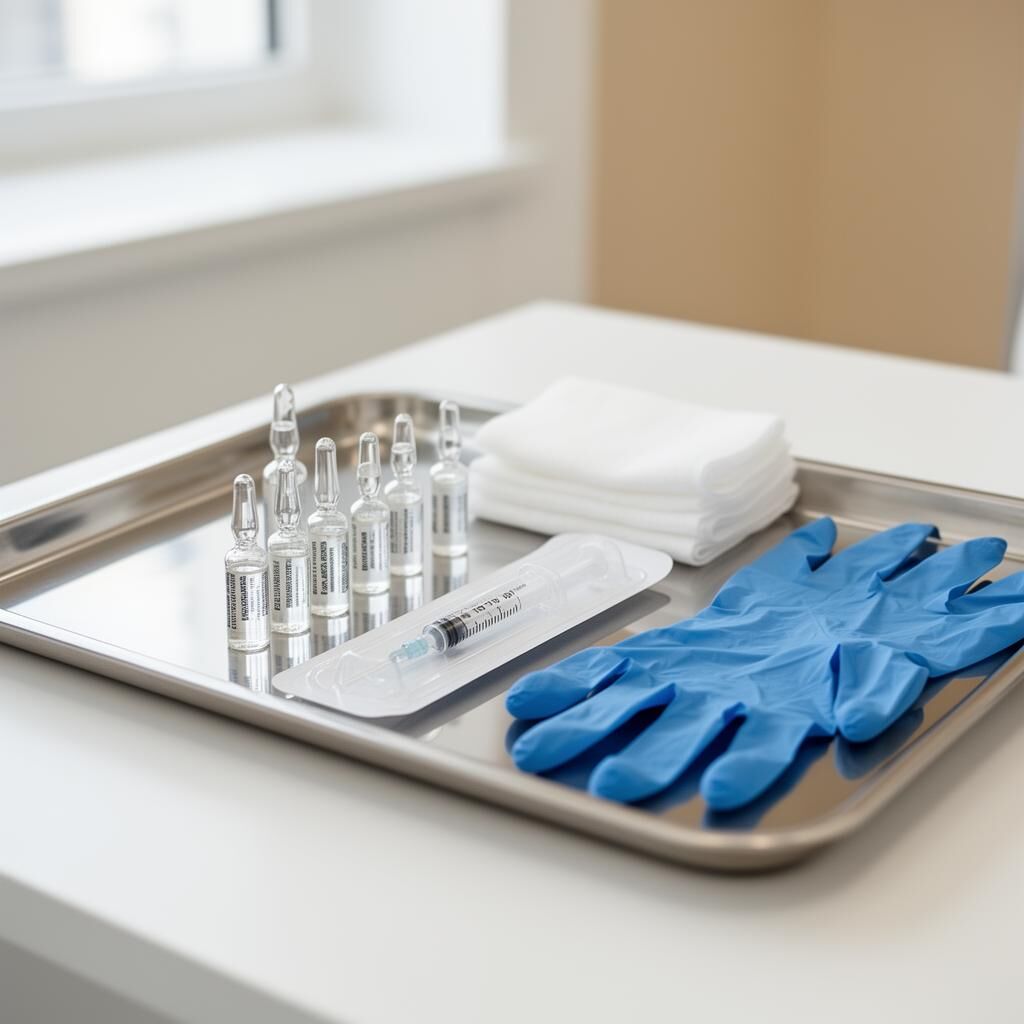
A blood draw is processed to extract platelet-rich plasma or fibrin, then injected into the scalp to nourish weakened follicles.
PRP hair treatment is often combined with treatments such as mesotherapy for hair in Dubai or exosome therapy in Dubai to improve scalp stimulation and enhance hair regrowth.
Benefits
- Reduces shedding within 6–8 weeks
- Strengthens existing hair shafts
- Stimulates dormant hair follicles
- Improves overall scalp health and circulation
- Slows the progression of pattern hair loss
- Natural, drug-free regenerative approach using your own growth factors
Concerns we treat
Ideal candidates
Patients in Dubai with early to moderate hair thinning, receding hairlines or reduced density who want a natural, medical solution before considering hair transplant.
Hair loss has different causes, so a dermatology assessment by our Specialist Dermatologist helps confirm the cause before a treatment plan is selected.
The treatment process
- 1Doctor-led scalp and hair density assessment
- 2Blood draw and processing in a sterile centrifuge
- 3Topical numbing for comfort
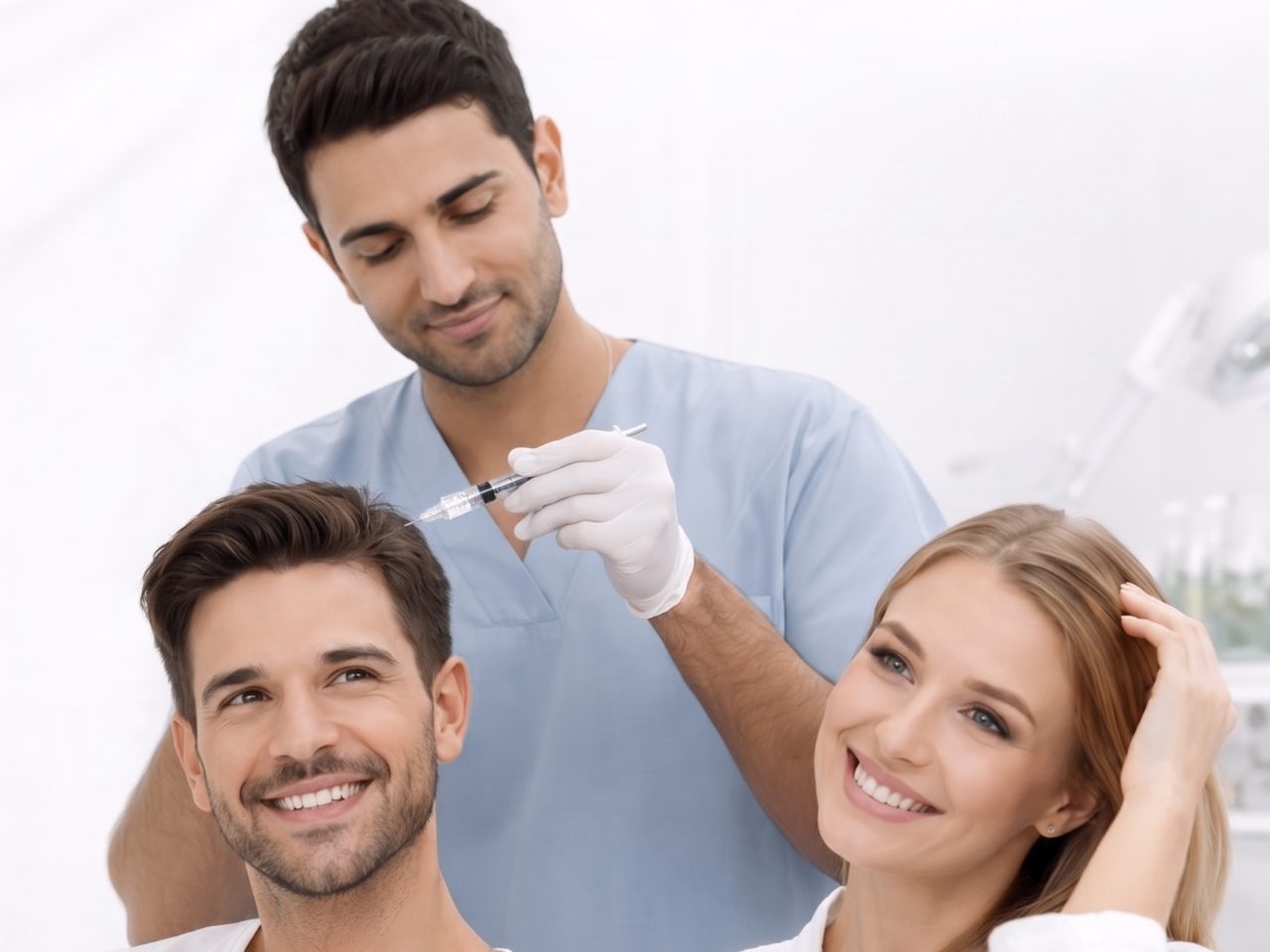
- 4Targeted scalp micro-injections into thinning zones
- 5Post-care guidance on hair products and lifestyle
- 6Series of 4–6 sessions, then maintenance every 6 months
Minimal — mild redness for hours.
A doctor-led clinic in Dubai Healthcare City
At Silk Clinics in Dubai Healthcare City, every treatment is doctor-led, clinically supervised and tailored to your skin, anatomy and goals. We combine advanced technology, premium products and a refined patient experience — guided by our promise: Safety First. Beauty Always.
Meet our teamMedical conditions PRP / PRF Hair can address
Our doctors recommend PRP / PRF Hair for the following patient concerns. Click any condition to learn more about how we approach it at Silk Clinics in Dubai Healthcare City.
PRP Hair Treatment in Dubai – Why it's so popular
PRP hair treatment has become one of the most popular solutions in Dubai for hair thinning and hair loss. Due to stress, lifestyle factors, genetics, and environmental conditions, many patients in Dubai experience early hair loss and reduced hair density.
At Silk Clinics Dubai, PRP for hair uses the patient's own growth factors to stimulate hair follicles, improve scalp health, and promote natural hair regrowth. It is commonly used for thinning hair, receding hairlines, and early-stage hair loss.
Patients in Dubai often combine PRP hair treatment with treatments such as hair exosomes in Dubai, mesotherapy for hair in Dubai, or hair fillers in Dubai to enhance and accelerate results. Some patients also pair scalp work with PRP face treatment in Dubai for an all-round regenerative plan.
PRP hair treatment in Dubai is also widely used as a preventative solution to slow down hair loss progression. At Silk Clinics Dubai, treatment protocols are customized based on the cause of hair loss and scalp condition to ensure optimal and natural-looking results over time.
PRP vs PRF for Hair – What's the Difference?
PRP (platelet-rich plasma) and PRF (platelet-rich fibrin) are both autologous regenerative preparations derived from a small blood sample, but they differ meaningfully in concentration, structure and the way regenerative signals are released into the scalp. Understanding the distinction helps explain why our doctors at Silk Clinics in Dubai Healthcare City recommend one over the other depending on the case.
PRP is produced by centrifuging blood at higher speeds with an anticoagulant. The result is a liquid plasma rich in concentrated platelets — typically several times higher than baseline blood — which release growth factors rapidly once injected into the scalp. PRP is well suited to patients with early to moderate hair thinning where a strong, fast burst of platelet-derived signalling is the goal.
PRF is processed at lower centrifugation speed and without anticoagulant. This preserves more of the body's natural fibrin matrix, leukocytes and circulating stem-like cells, producing a soft gel-like preparation. The fibrin scaffold acts as a slow-release reservoir, allowing growth factors to be released over several days rather than minutes. PRF is often preferred where sustained scalp support is more important than a single intense pulse — for example in maintenance phases or in patients with weaker scalp circulation.
Neither PRP nor PRF is universally superior. The choice depends on the underlying cause of hair thinning, scalp condition, age, hair cycle stage and whether the protocol is combined with exosome hair therapy, scalp mesotherapy or broader wellness support. Many patients at Silk Clinics receive a personalised hybrid plan across the course of treatment rather than committing to one technique alone.
Common Causes of Hair Thinning
Hair thinning is almost never caused by a single factor. A credible PRP or PRF plan begins with identifying which drivers apply to the individual patient, because regenerative scalp therapy works best when the underlying cause is addressed in parallel.
Genetic and hormonal patterns — androgenetic thinning in both men and women — are the most frequent underlying cause. In women this often presents as diffuse thinning across the crown; in men as a receding hairline or vertex thinning. Hormonal changes during postpartum, perimenopause and thyroid imbalance can unmask or accelerate this predisposition.
Stress-related and post-illness shedding (telogen effluvium) typically appears two to three months after a triggering event. Restrictive dieting, low iron, low ferritin, low vitamin D and B12 deficiencies are particularly common in our Dubai patient population and frequently amplify a genetic tendency. Aging-related changes also reduce follicle size and growth-phase duration over time.
Environmental and lifestyle factors specific to Dubai add a meaningful layer: year-round sun exposure, chlorinated and hard water, frequent heat styling and tight hairstyles all stress the hair shaft and scalp. These rarely cause hair loss alone — but they routinely amplify an existing predisposition and undermine the response to in-clinic protocols if left unaddressed. For a deeper view of regenerative scalp care in this context, see our hair treatments hub and regenerative medicine page.
How PRP Treatment Is Personalised
Two patients presenting with similar shedding rarely receive the same PRP plan. At Silk Clinics each protocol is built around the patient's biology, not from a fixed package. A typical personalised plan accounts for the following elements.
Scalp assessment is the starting point. The doctor examines the scalp for inflammation, seborrhoea, sensitivity and overall vascularity. Hair density evaluation is performed clinically — and where useful, photographically — across the frontal, crown and temporal zones so progress can be tracked objectively rather than subjectively at later sessions.
Treatment intervals are then matched to the case. Most initial courses are three to six sessions spaced approximately four weeks apart, with PRF sometimes used at slightly different intervals due to its slower release profile. Maintenance planning is discussed from the first consultation: most patients benefit from a session every three to six months once the initial course is complete, calibrated to response rather than to a fixed calendar.
Combination treatment planning is often where credible regenerative hair care is won or lost. PRP may be combined with scalp mesotherapy and biotin support, exosome hair therapy or growth-factor hair protocols, alongside correction of nutritional deficiencies and wellness optimisation where indicated.
Differences between men and women are explicitly considered. Female hair thinning is more commonly diffuse and frequently linked to hormonal, postpartum or nutritional factors, while male pattern thinning is more often genetic with a defined frontal or vertex distribution. Injection mapping, density of micro-injections and combination choices are adjusted accordingly.
Who May Not Be Suitable for PRP Hair Treatment
PRP and PRF are well tolerated, but they are not appropriate for every patient. Transparent suitability assessment is part of every consultation at Silk Clinics — regenerative scalp therapy should only be offered where it has a credible chance of helping.
Patients with advanced baldness, in which the follicle is no longer biologically active, are unlikely to benefit from PRP or PRF alone. In these cases honest counselling about a surgical hair transplant — followed by PRP as supportive maintenance — is more appropriate than committing to a regenerative course that will not deliver.
Active scalp conditions such as untreated seborrhoeic dermatitis, scalp psoriasis flares, folliculitis or fungal infection are addressed first. Injecting into an inflamed scalp is not in the patient's interest and is deferred until the underlying condition is controlled.
Certain medical situations require evaluation before treatment: patients on anticoagulant therapy, with active autoimmune disease, uncontrolled diabetes, blood disorders, current malignancy or during pregnancy and breastfeeding. Patients with unrealistic expectations — expecting density beyond what their follicular biology supports — are also screened openly. Where PRP is not the right answer, our doctors will say so and discuss alternative options such as exosome scalp support, scalp nutrition or broader regenerative and wellness planning.
Expected results
Results from PRP / PRF Hair vary between patients. Your doctor at Silk Clinics Dubai discusses the realistic outcome you can expect — based on your skin type, anatomy and treatment history — at consultation. Minimal — mild redness for hours.
Recovery timeline
- ImmediatelyMild scalp tenderness or pinpoint marks settle within a few hours.
- Day 1Avoid hair products, heat styling and intense exercise for 24 hours.
- Week 4–8Initial improvements in shedding and density can be noticed.
- Month 3–6Cumulative improvement assessed; maintenance plan discussed.
Ongoing maintenance sessions are planned every 1–3 months depending on protocol and individual response.
An initial program of multiple sessions is typically recommended, then transitioning to maintenance.
Suitable candidate
- Adults seeking prp / prf hair for early hair thinning, female and male pattern hair loss, receding hairlines
- Patients in good general health with realistic expectations
- Patients who can attend a doctor-led consultation before treatment
Not suitable for
- Pregnancy or breastfeeding
- Active skin infection or open wound in the treatment area
- Recent sunburn or active dermatitis
- Known allergy to any product used during the treatment
- Certain medical conditions or medications — disclosed at consultation
Risks & side effects
Every medical procedure carries some risk. We discuss these fully at consultation so you can decide with confidence.
- Temporary redness, mild swelling or tenderness at the treatment area
- Small bruising in some patients, usually resolving within a few days
- Rare allergic reaction to topical products used during treatment
- Results vary between patients and depend on skin type, age and overall health
What Silk Clinics doctors commonly recommend for hair loss
Every hair loss consultation starts with proper diagnosis — pattern hair loss vs telogen effluvium vs alopecia areata vs scarring alopecia — plus a bloodwork review (ferritin, iron, vitamin D, B12, thyroid) so the plan corrects the underlying cause and not only the appearance.
For most early-to-moderate cases we recommend a compounded protocol: PRP or PRF as the regenerative anchor, hair exosomes for cell-signalling amplification, and scalp mesotherapy for micronutrient support — usually 4–6 sessions over 4–6 months, then maintenance every 3–6 months.
Where a diffuse or nutritional driver is present we integrate vitamin therapy and — for busy, high-stress patients — NAD+ IV therapy for cellular recovery. For advanced pattern baldness where the follicle is no longer viable, we counsel openly toward hair transplant with post-op PRP maintenance rather than committing patients to regenerative courses that will not deliver.
See our male pattern baldness and female hair thinning pages for condition-specific plans, and our full hair treatments hub for the wider catalogue.