✨ Your condition
Pigmentation Treatment in Dubai
Stubborn pigmentation, melasma, sun spots, uneven skin tone and post-inflammatory dark marks respond best to a structured, doctor-led plan — not a single laser. At Silk Clinics Dubai Healthcare City we diagnose the type and depth of your pigment first, then layer the right therapies to safely correct your skin tone without irritation.
Understanding pigmentation
Pigmentation treatment in Dubai requires careful diagnosis: melasma, solar lentigines (sun spots), post-inflammatory hyperpigmentation from acne, and mixed dermal pigment all behave differently and respond to different protocols. The wrong laser or peel on the wrong skin type can darken pigmentation rather than clear it. Our doctors evaluate Fitzpatrick skin type, depth of pigment and trigger before prescribing a safe, evidence-based protocol — typically a combination of medical peels, Scarlet S RF microneedling, exosome therapy, microneedling with PRP, HydraFacial maintenance and, where indicated, fractional CO2 laser.
Melasma and recurring pigmentation benefit from a dermatologist-led assessment to confirm the pigment type and depth before choosing peels or lasers.
Personalized Skin Plan
Not sure if pigmentation is right for you?
Answer 9 quick questions and get a doctor-designed pathway — with realistic timelines, downtime and session counts for your skin.
Doctor-recommended
Best treatments for pigmentation in Dubai
Our doctors may recommend one or a combination of the following treatments, tailored to your specific case.
Skin
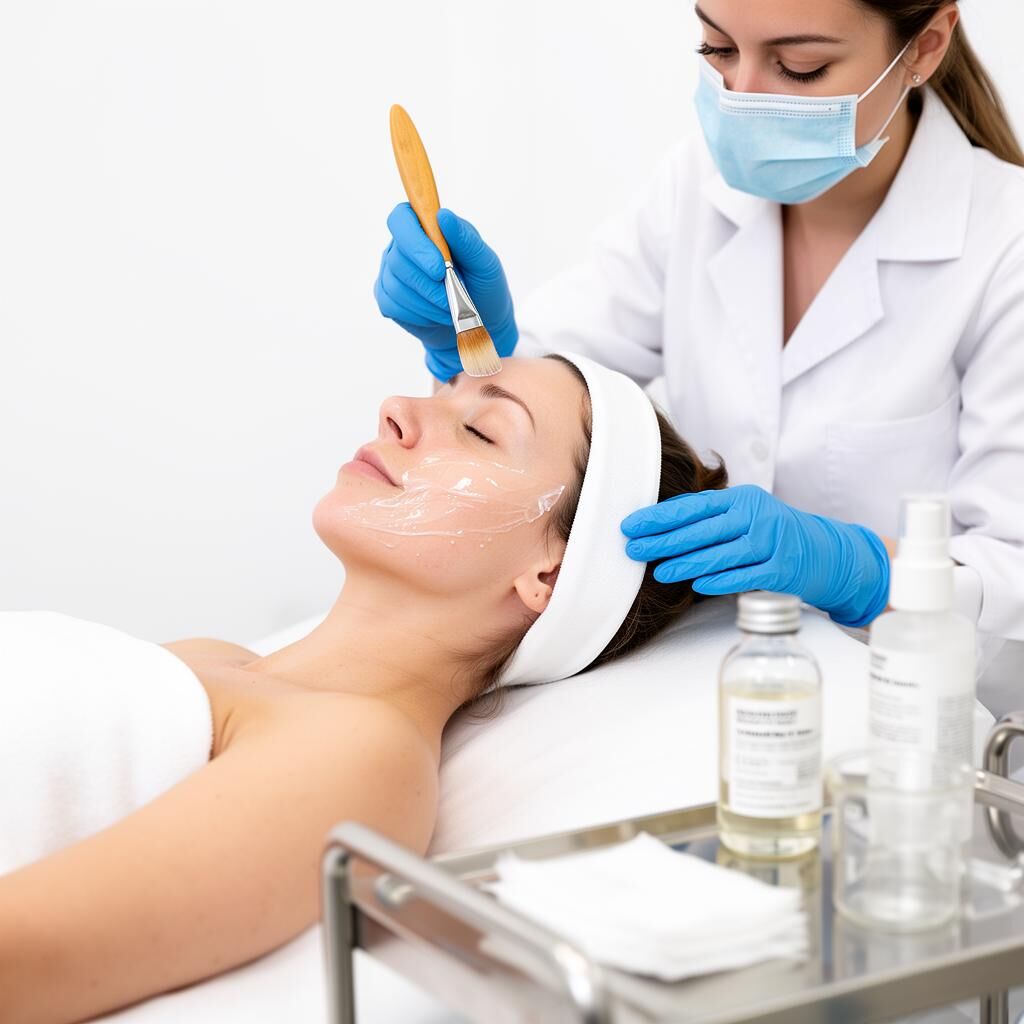
Skin LongevityChemical Peels in Dubai
Chemical peels in Dubai at Silk Clinics are doctor-led, medical-grade exfoliation treatments tailored to your skin type and concern — from gentle mandelic and salicylic peels for sensitive or acne-prone skin, to Cosmelan and TCA for stubborn pigmentation and photoaging.
Skin
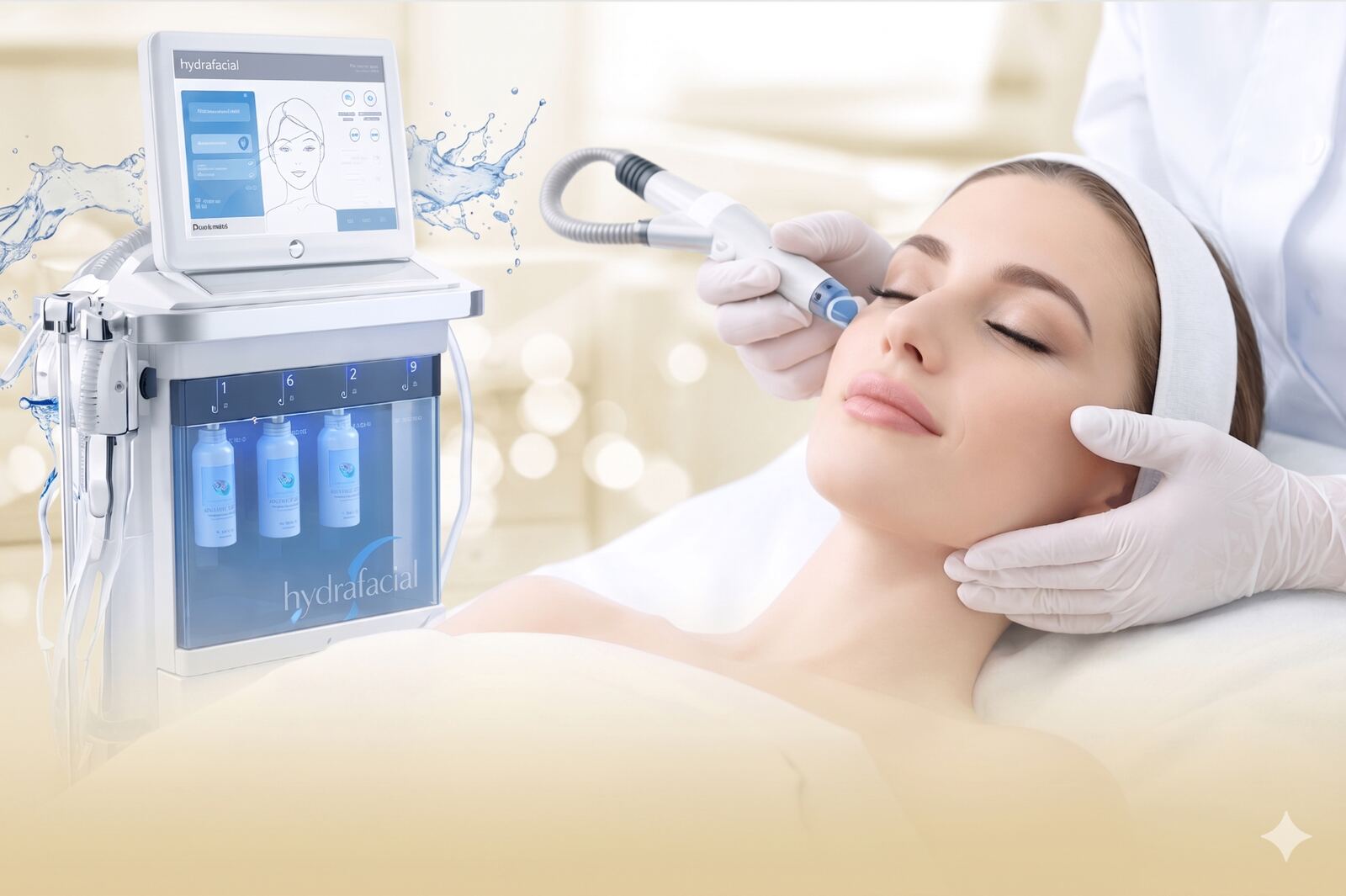
Skin LongevityHydrafacial in Dubai
Hydrafacial in Dubai at Silk Clinics is a multi-step medical-grade facial that cleanses, exfoliates, extracts impurities and infuses powerful serums for instant glow with zero downtime.
Skin
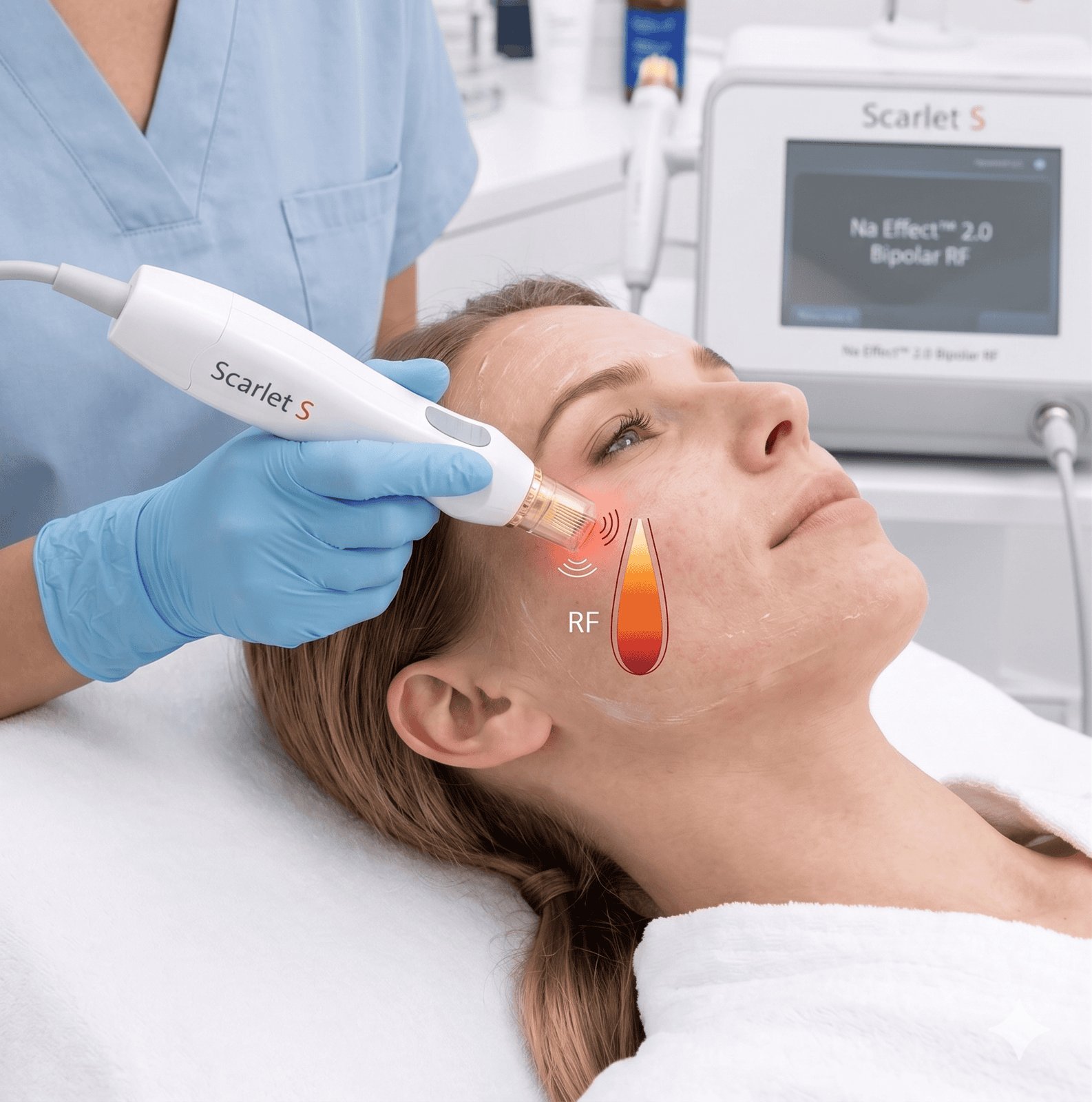
Skin LongevityScarlet S Microneedling RF in Dubai
Scarlet S microneedling RF in Dubai at Silk Clinics is a doctor-led skin remodelling treatment that combines fine gold-coated microneedles with short-pulse radiofrequency energy to tighten skin, smooth acne scars and refine pores.
Laser
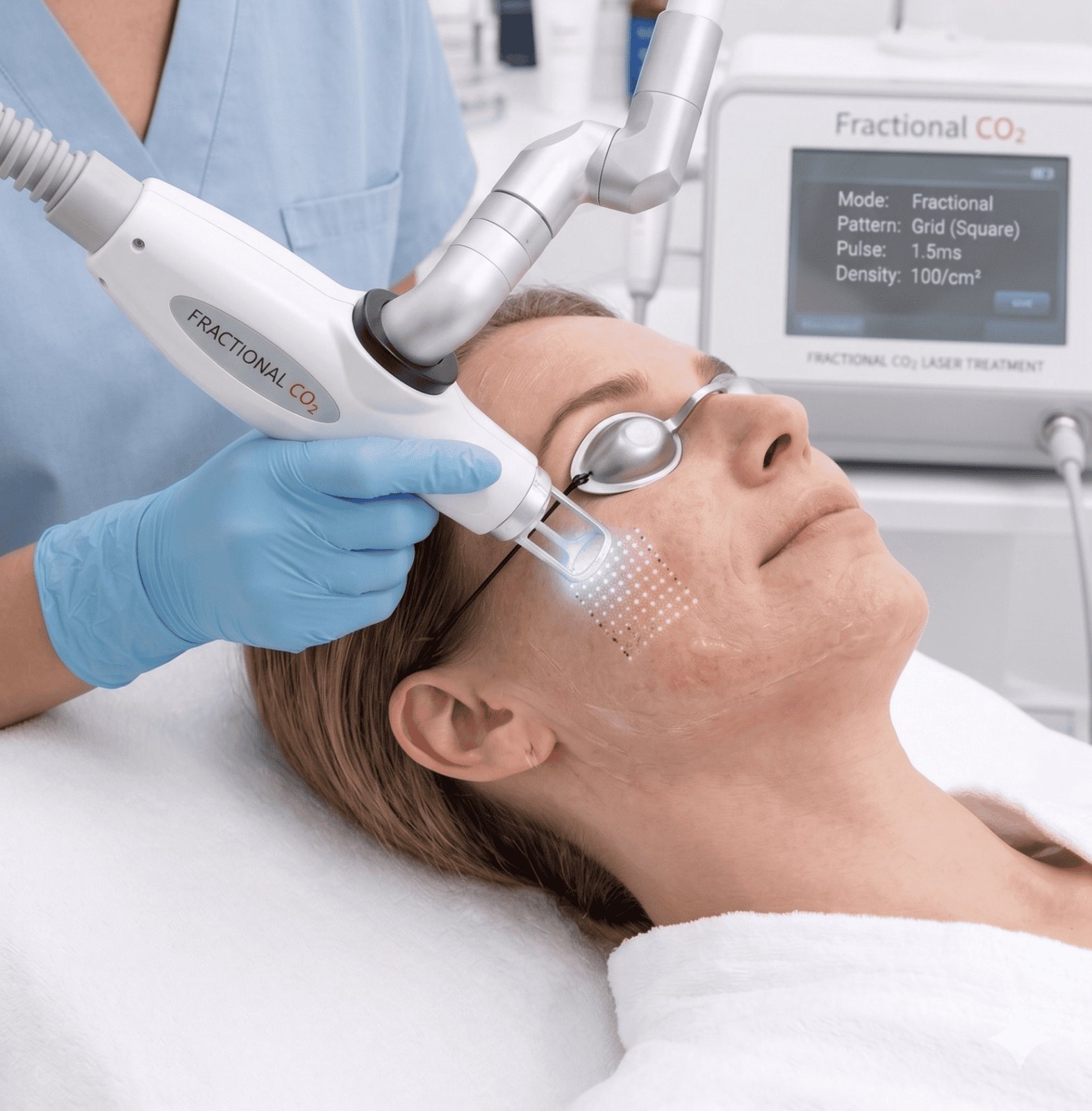
Skin LongevityCO2 Laser in Dubai
CO2 laser in Dubai is a powerful resurfacing treatment that addresses deep texture concerns, scars and aging skin with transformative results.
Skin
Longevity ProgramExosome Therapy in Dubai
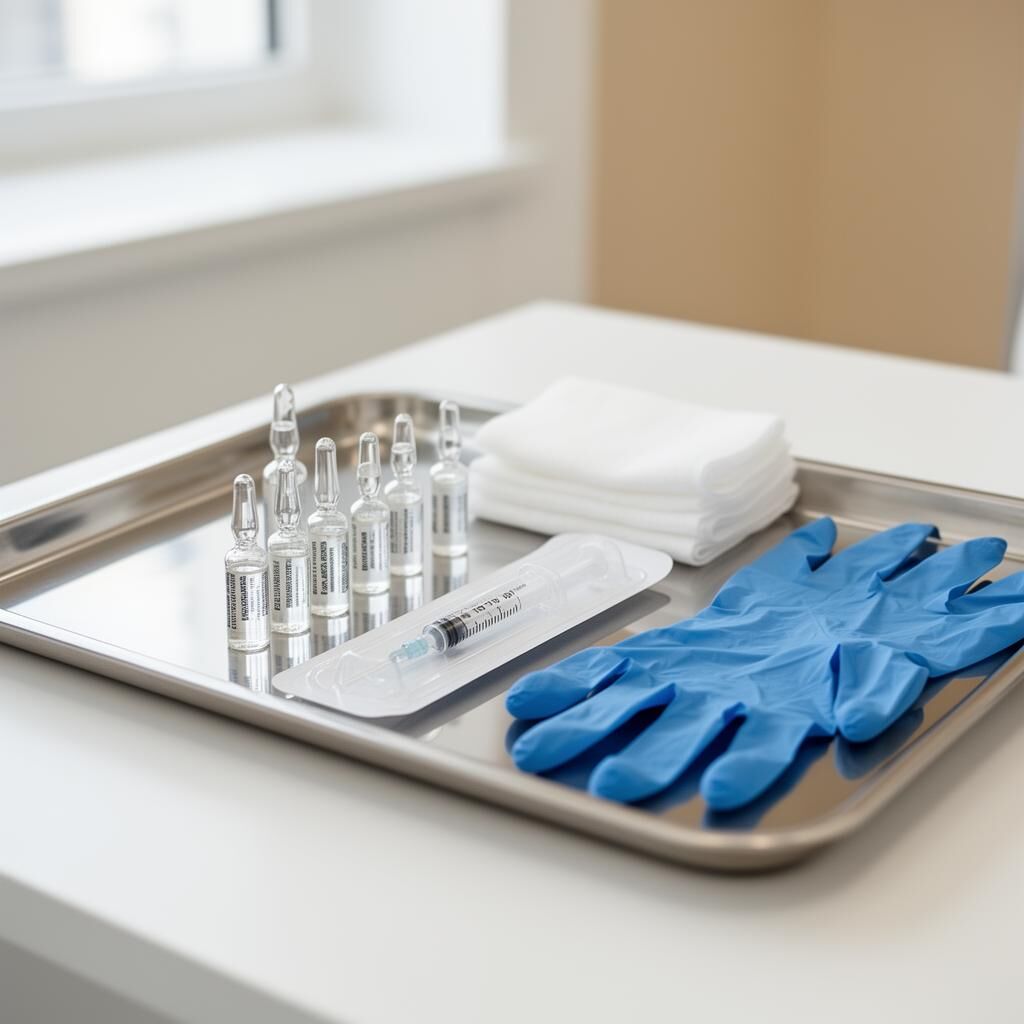
Exosome therapy in Dubai is one of the most advanced regenerative skin treatments available — delivering powerful cell-signalling messengers to rejuvenate skin and scalp.
Skin
Longevity ProgramPRP / PRF Face in Dubai
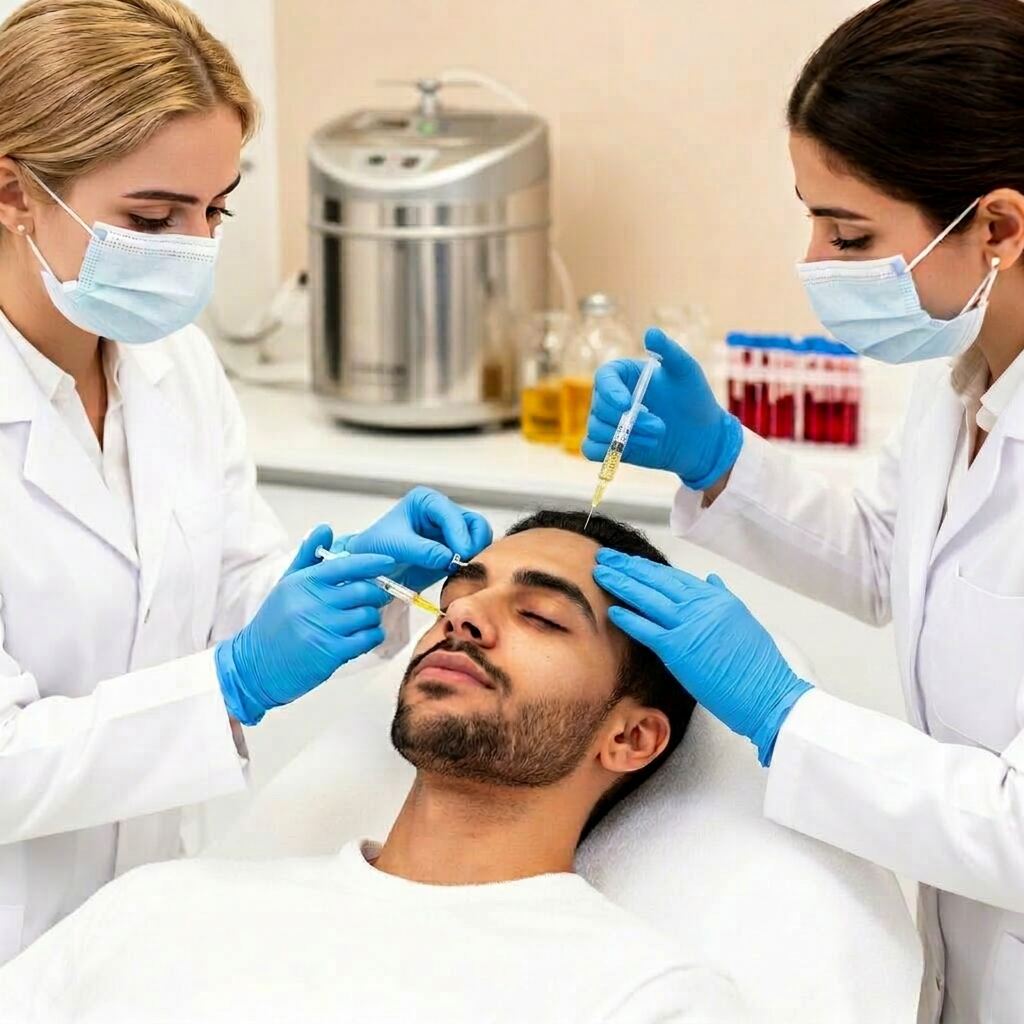
PRP and PRF facial treatments in Dubai harness your own platelet-rich plasma and fibrin to stimulate collagen, repair skin and restore a natural, healthy glow.
Injectables
Skin LongevitySkin Boosters in Dubai
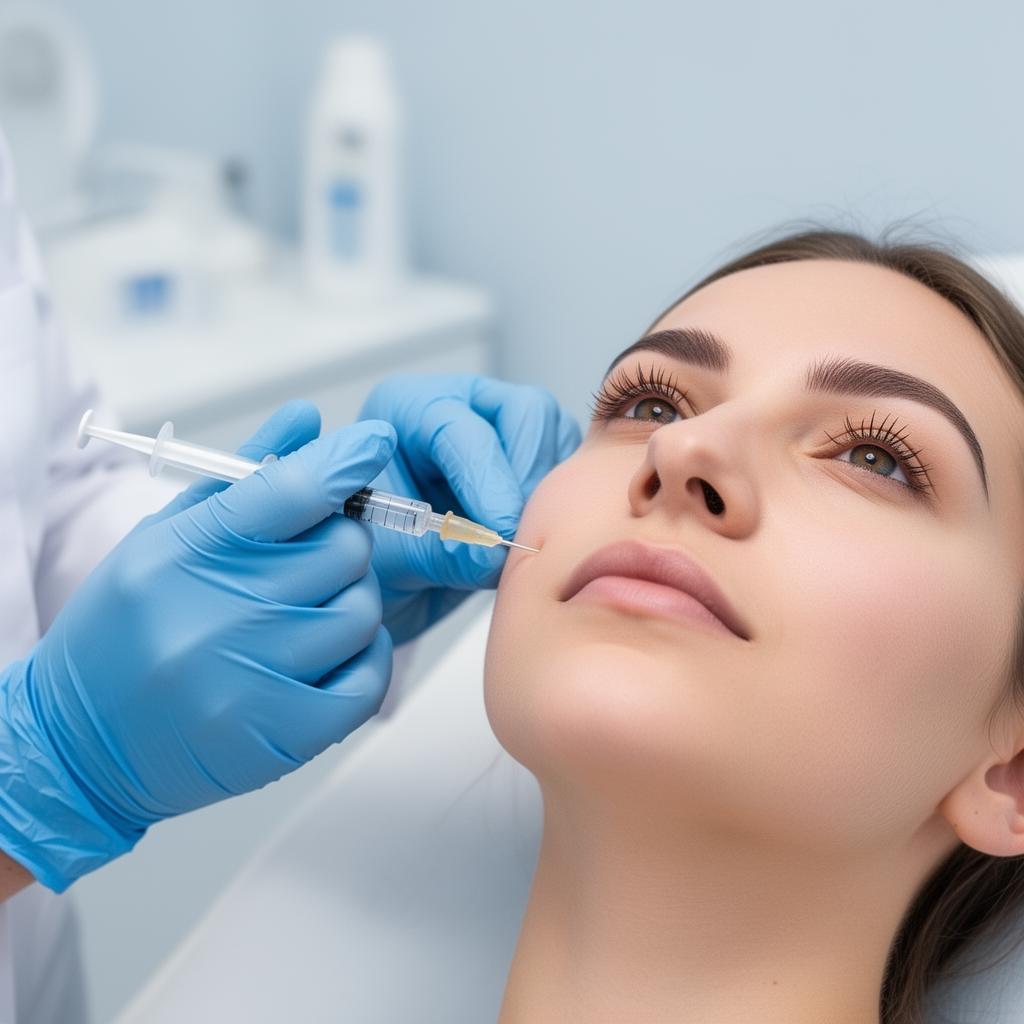
Skin boosters in Dubai are injectable hyaluronic acid treatments designed to improve skin quality — hydration, glow, firmness and elasticity — rather than add volume.
Educational guide
What you should know about pigmentation
Pigmentation describes any change in skin colour caused by overactive, misplaced or damaged melanocytes — the cells that produce melanin. It covers a wide clinical spectrum: melasma (hormonally and UV-driven patches usually on the cheeks, forehead and upper lip), solar lentigines (sun spots from cumulative UV exposure), post-inflammatory hyperpigmentation (PIH) after acne, eczema or irritation, freckles, and deeper dermal patterns such as Hori's nevus in some Asian skin types. Each behaves differently and responds to a different protocol. In Dubai's intense year-round UV, high heat and reflected light from sea and concrete, pigmentation is one of the most-presented concerns at Silk Clinics Dubai Healthcare City — and one of the most important to get right, because the wrong device on the wrong skin type can darken pigment rather than clear it.
What causes this condition
Common causes & contributing factors
What causes this condition
Common causes & contributing factorsHyperpigmentation arises when melanocytes are over-stimulated or damaged. The most common triggers seen in a Dubai aesthetic clinic include:
- Cumulative UV exposure and visible-light damage (a major driver in Fitzpatrick III–VI skin)
- Hormonal shifts — pregnancy, oral contraceptives, perimenopause (the classic melasma pattern)
- Heat from sun, hammams, hot kitchens and prolonged outdoor exposure (heat itself stimulates melanocytes)
- Inflammation from acne, eczema, retinoid burns, harsh scrubs or aggressive at-home treatments
- Post-inflammatory hyperpigmentation (PIH) after picking spots, ingrowns or skin trauma
- Friction from waxing, threading and tight clothing seams
- Certain medications (some antibiotics, anti-seizure drugs, photosensitising drugs)
- Wrong-device laser treatment performed without skin-type screening
- Aging and accumulated photo-damage producing uneven complexion and dull tone
- Inadequate daily sun protection in Dubai's high-UV climate
Doctor-recommended protocols
How we treat pigmentation at Silk Clinics
Each option below is explained in the context of pigmentation. Click through to read the full treatment page, including pricing, sessions, downtime and outcomes.
Medical chemical peels
First-line for epidermal pigment and post-inflammatory hyperpigmentation; controlled exfoliation lifts melanin safely without thermal injury.
HydraFacial with brightening boosters
Gentle, repeatable maintenance that supports peel and laser protocols between sessions.
Scarlet S microneedling RF
Stimulates dermal turnover for stubborn or mixed pigment without surface heat — safe across skin tones.
Fractional CO2 laser
Reserved for selected sun-damaged skin with deep texture and pigmentation; powerful resurfacing with careful patient selection.
Exosome therapy
Cell-signalling vesicles calm post-procedure inflammation and reduce the risk of pigment rebound after resurfacing.
Microneedling with PRP / PRF
Supports barrier repair and reduces inflammation, helping prevent post-treatment pigmentation flare.
Skin boosters
Improve barrier function and hydration, both of which influence melanocyte stability and overall skin clarity.
Glutathione & Vitamin C IV
Adjunct antioxidant support paired with topical and in-clinic care; never used as a stand-alone pigmentation treatment.
How treatment is personalised
Pigmentation is the area where the wrong protocol most often makes things worse. Our doctors evaluate the depth of pigment (epidermal, dermal, mixed), the dominant trigger (hormonal vs UV vs PIH), Fitzpatrick skin type, hormonal history, current skincare and whether the pigment is active or stable before any treatment. A patient with hormonal melasma on Fitzpatrick V skin is treated very differently from someone with isolated sun spots on Fitzpatrick II. Every plan at Silk Clinics Dubai Healthcare City starts with a personalised skin analysis and includes daily SPF 50, antioxidant skincare and trigger management — without these foundations, even the best in-clinic pigmentation treatment in Dubai is short-lived.
Doctor-led, evidence-aware care
Several lasers commonly marketed for pigmentation can darken melasma in medium and darker skin tones. Our doctors deliberately use lower-risk modalities first — medical peels, Scarlet S RF microneedling and regenerative therapies — and reserve fractional lasers such as CO2 laser for carefully selected cases. Every protocol is written, reviewed and adjusted based on response, with realistic expectations explained in plain language before treatment begins. Silk Clinics is a doctor-led aesthetic clinic in Dubai Healthcare City, and pigmentation treatment is always evidence-based and safety-first.
Combination therapy
Treatments commonly combined
Combination therapy
Treatments commonly combinedThe strongest pigmentation results come from layering. A medical peel series paired with a structured topical regimen at home, supported by monthly HydraFacial maintenance, Scarlet S RF microneedling for dermal turnover, and exosome therapy or PRP / PRF to reduce inflammation and rebound risk consistently outperforms any single device. For chronic melasma, in-clinic care is paired with strict UV protection and, when appropriate, hormonal review with the patient's GP.
What is skin pigmentation?
Skin pigmentation is the natural colour of your skin, produced by melanin — the pigment made by melanocytes in the basal layer of the epidermis. Even, healthy melanin production gives skin its uniform tone. Hyperpigmentation occurs when melanocytes become overactive in certain areas, depositing excess melanin and creating visible patches, spots or an uneven complexion.
Pigmentation can sit at different depths: epidermal (surface, usually responds faster), dermal (deeper, slower to clear) or mixed. Correctly identifying the depth and trigger is the single most important step in pigmentation correction — it determines which treatments are safe and effective for your skin.
Causes of hyperpigmentation
Cumulative UV exposure is the single biggest driver of pigmentation worldwide and especially in Dubai. Ultraviolet and visible light directly stimulate melanocytes; over years, this produces sun spots, uneven tone and an overall photo-aged complexion. Reflected light from sea, sand and concrete adds significantly to total daily exposure even when you are not actively sunbathing.
Hormonal triggers — pregnancy, oral contraceptives, hormonal IUDs, perimenopause — drive melasma. Heat alone can also stimulate melanocytes, which is why melasma often worsens in summer and after sauna, hammam or hot yoga.
Post-inflammatory hyperpigmentation (PIH) follows any skin trauma: acne lesions, eczema, picking, harsh scrubs, retinoid burns, ingrown hairs, or even aggressive waxing and threading. PIH is particularly common in medium and darker skin tones (Fitzpatrick III–VI).
Aging contributes to uneven complexion through accumulated photo-damage, slower epidermal turnover and reduced antioxidant capacity. Some medications and friction patterns also play a role. A doctor-led consultation identifies which triggers are dominant for your skin.
Types of pigmentation
Melasma — symmetrical, blotchy brown or grey-brown patches on the cheeks, forehead, upper lip and jawline. Driven by hormones, UV and heat. Chronic and relapsing; managed long-term rather than 'cured'.
Solar lentigines (sun spots / age spots) — well-defined small to medium brown spots on sun-exposed areas (face, hands, chest). Driven by cumulative UV. Highly responsive to medical peels and selected laser protocols.
Post-inflammatory hyperpigmentation (PIH) — flat brown, red-brown or grey marks left after acne, eczema, ingrowns or skin trauma. Common in Fitzpatrick III–VI skin. Usually responds well to a structured plan combining medical peels, topical actives and gentle resurfacing.
Freckles (ephelides) — small, light-brown spots in genetically predisposed skin that darken with sun exposure. Largely cosmetic; manageable with SPF and selected brightening protocols.
Deeper dermal pigmentation — including Hori's nevus and naevus of Ota, more common in some Asian skin types. Requires specific laser strategies and careful patient selection.
Melasma vs sun spots — why the distinction matters
Melasma and sun spots are routinely confused, but treating them the same way is one of the most common reasons pigmentation worsens after laser. Sun spots are discrete, well-defined and usually epidermal — many laser and peel protocols clear them efficiently. Melasma is diffuse, often partly dermal, hormonally and heat-driven, and behaves unpredictably with aggressive laser energy. The same device that clears a sun spot can darken melasma.
At Silk Clinics, every pigmentation patient is mapped (and photographed under standardised lighting where helpful) so that the right protocol is matched to the right pigment pattern. This is the difference between a medical pigmentation treatment in Dubai and a one-size-fits-all 'pigmentation laser' package.
Sun damage and UV exposure in Dubai
Dubai's UV index sits high for most of the year, with significant reflected UV from sand, sea and concrete. Daily incidental exposure during the short walk between car, office, mall and home adds up quickly — and visible blue light from screens contributes to pigmentation in darker skin tones too.
Daily broad-spectrum SPF 50 (mineral or hybrid, tinted where pigmentation is active) is not optional for pigmentation patients. It is the single most cost-effective treatment for sun damage and the only way to preserve in-clinic results. We prescribe SPF as part of every pigmentation plan.
Why pigmentation is difficult to treat
Pigmentation is biologically reactive — melanocytes respond to inflammation, heat and trauma by producing more pigment. Aggressive treatments can trigger the very response they are meant to fix, particularly in medium and darker skin tones. This is why the strongest pigmentation treatment is rarely the right pigmentation treatment.
It is also multi-layered: a single patient may have melasma, sun damage and post-acne PIH simultaneously, each needing a different approach. And it relapses — without ongoing SPF, antioxidant skincare and trigger management, even cleared pigment returns.
Effective pigmentation correction in Dubai is therefore patient-specific, layered, conservative and long-term. Patients who follow a structured plan get sustained, visible results; patients chasing one 'magic' laser session frequently end up worse.
Best pigmentation treatments in Dubai at Silk Clinics
There is no single best pigmentation treatment for every patient. The right plan depends on pigment type, depth, skin tone and lifestyle. The most-prescribed pigmentation treatments at Silk Clinics Dubai Healthcare City are medical chemical peels, Scarlet S RF microneedling, exosome therapy, microneedling with PRP, HydraFacial and — in carefully selected sun-damaged skin — fractional CO2 laser. Skin boosters are layered in to support barrier health and skin clarity.
Medical chemical peels for pigmentation
Medical chemical peels — typically mandelic, lactic, salicylic, TCA or combination formulations — are first-line for epidermal pigment, post-inflammatory hyperpigmentation and many melasma patients. They lift surface melanin and accelerate cellular turnover safely without thermal energy, which makes them well tolerated across skin types.
Most patients have a short course of 4–6 peels spaced 2–4 weeks apart, with 1–3 days of light peeling between sessions. Visible brightening and more even tone usually begin from session 2–3.
Scarlet S RF microneedling for pigmentation
Scarlet S RF microneedling delivers controlled radiofrequency heat into the deep dermis through microneedles, without damaging surface pigment. This makes it safe across skin tones and useful for stubborn mixed pigmentation, post-acne PIH and pigmentation combined with texture concerns.
Typical course: 3 sessions spaced 4 weeks apart, with 1–2 days of mild redness. Often combined with PRP, PRF or exosomes in the same session to amplify results and reduce rebound risk.
Fractional CO2 laser for sun damage
Fractional CO2 laser is the most powerful resurfacing option for sun-damaged skin with deep texture and prominent pigmentation. It is reserved for carefully screened patients — usually Fitzpatrick I–III — and is not first-line for melasma or for darker skin tones, where the risk of post-inflammatory hyperpigmentation is real.
When indicated, CO2 laser delivers dramatic improvement in sun spots, uneven tone and texture in a single or two-session protocol with 5–7 days of meaningful downtime. Pre- and post-care protocols are strict — every CO2 case at Silk Clinics is doctor-prescribed.
Exosome therapy and PRP for pigmentation support
Exosome therapy delivers cell-signalling vesicles that calm post-procedure inflammation, support barrier repair and reduce the risk of pigment rebound after peels, RF microneedling or laser. It has become a routine add-on at Silk Clinics for patients with reactive skin or a history of PIH.
Microneedling with PRP or PRF uses your own concentrated growth factors to support healing and skin quality. It pairs particularly well with Scarlet S RF microneedling for patients with combined pigmentation, dullness and early texture concerns.
HydraFacial and skin boosters for maintenance
HydraFacial with brightening boosters is the most useful monthly maintenance step for pigmentation patients. It cleanses, gently exfoliates, infuses antioxidants and supports the results of peels and microneedling between heavier sessions.
Skin boosters micro-inject hyaluronic acid into the upper dermis, improving hydration, barrier function and light reflection. Better-hydrated skin tolerates active ingredients more comfortably and reads more even and luminous — a meaningful adjunct for pigmentation and dull complexion patients.
Prevention and maintenance
Daily broad-spectrum SPF 50 (mineral or hybrid, ideally tinted for melasma patients) is non-negotiable. It is the single most important preventive step for pigmentation in Dubai.
A medical home routine: a gentle cleanser, an antioxidant serum (vitamin C or equivalent) in the morning, prescribed pigment-correcting actives (often a tyrosinase-inhibitor blend), a retinoid at night as tolerated, and a barrier-supportive moisturiser. Trigger management — minimising heat, avoiding harsh scrubs and aggressive at-home peels — is equally important.
In-clinic maintenance: monthly HydraFacial, periodic peel mini-courses and occasional Scarlet S refresh sessions keep pigmentation under control long-term.
Why choose Silk Clinics for pigmentation treatment in Dubai
Silk Clinics is a doctor-led aesthetic clinic in Dubai Healthcare City — the UAE's regulated medical free zone. Every pigmentation plan starts with a personalised skin analysis, uses regulated medical-grade devices and prescription-grade topicals, and is sequenced to your skin type, trigger profile and downtime tolerance.
We do not sell single 'magic' laser packages for pigmentation. We design honest, evidence-aware plans — sometimes a peel series and topical routine are enough; sometimes a layered RF microneedling, exosome and CO2 plan is the right call. The recommendation is medical, not commercial, and safety-first across all skin tones.
Treatment details & technologies
Treatment comparison
Treatment details & technologies
Treatment comparisonPigmentation treatments at Silk Clinics Dubai Healthcare City — quick clinical overview.
| Treatment | Best For | Downtime | Sessions | Main Benefits |
|---|---|---|---|---|
| Medical Chemical Peels | Epidermal pigment, PIH, sun spots | 1–3 days light peeling | 4–6 sessions, 2–4 weeks apart | Safe melanin lift, even tone, low risk |
| Scarlet S RF Microneedling | All skin types, stubborn / mixed pigment, PIH | 1–2 days redness | 3 sessions, 4 weeks apart | Dermal turnover without surface heat |
| Fractional CO2 Laser | Sun-damaged skin, deep texture, lentigines | 5–7 days | 1–2 sessions, spaced | Strong resurfacing & pigment correction |
| Microneedling + PRP / PRF | Pigment + texture, post-acne marks | 1–3 days | 3–4 sessions, monthly | Collagen + growth factors, reduces rebound |
| Exosome Therapy | Reactive skin, post-resurfacing add-on | Minimal | 1–3 per indication | Calms inflammation, reduces PIH risk |
| HydraFacial (Brightening) | Maintenance, dull tone, congestion | None | Monthly | Gentle brightening, supports actives |
| Skin Boosters | Barrier support, hydration, glow | Minimal | 2–3 sessions, 4 weeks apart | Smoother, more luminous complexion |
Related conditions to explore
Pigmentation often appears alongside other concerns. Reviewing related pages can help you understand the full picture before consultation.
Frequently asked questions
Can melasma be cured?
Is laser safe for pigmentation?
What causes pigmentation?
View more frequently asked questions (13)
What is the best pigmentation treatment in Dubai?
Can pigmentation be removed permanently?
Is melasma difficult to treat?
Which laser is best for pigmentation?
Is CO2 laser good for pigmentation?
Can acne scars leave pigmentation?
How many pigmentation sessions are needed?
Does sun exposure worsen pigmentation?
Are chemical peels effective for dark spots?
Which treatment is best for melasma?
Can pigmentation return after treatment?
Is pigmentation treatment safe for darker skin tones?
How much does pigmentation treatment cost in Dubai?
Not sure which treatment is right for you?
Book a consultation with our medical team. We'll assess your concern, explain your options and build a personalised treatment plan — no obligation.