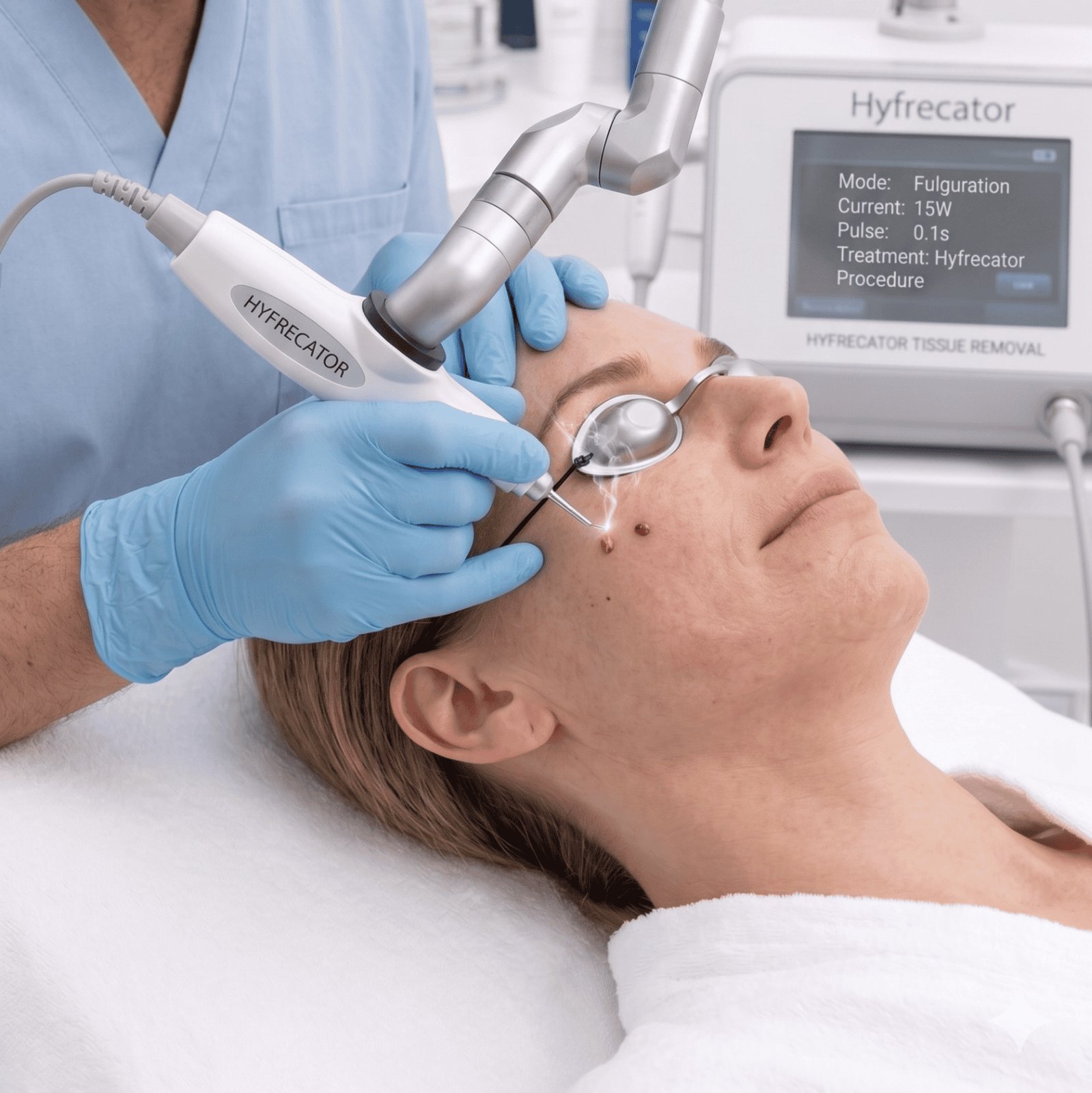
What is Skin Tags, Warts & Mole Removal?
Lesion removal uses the technique best matched to the lesion: electrosurgery (hyfrecation) for skin tags and small warts, ablative laser for superficial lesions, cryotherapy for selected viral warts, and surgical shave or excision for moles that need to be examined histologically. The method is chosen by the doctor after examination, not by patient request alone.
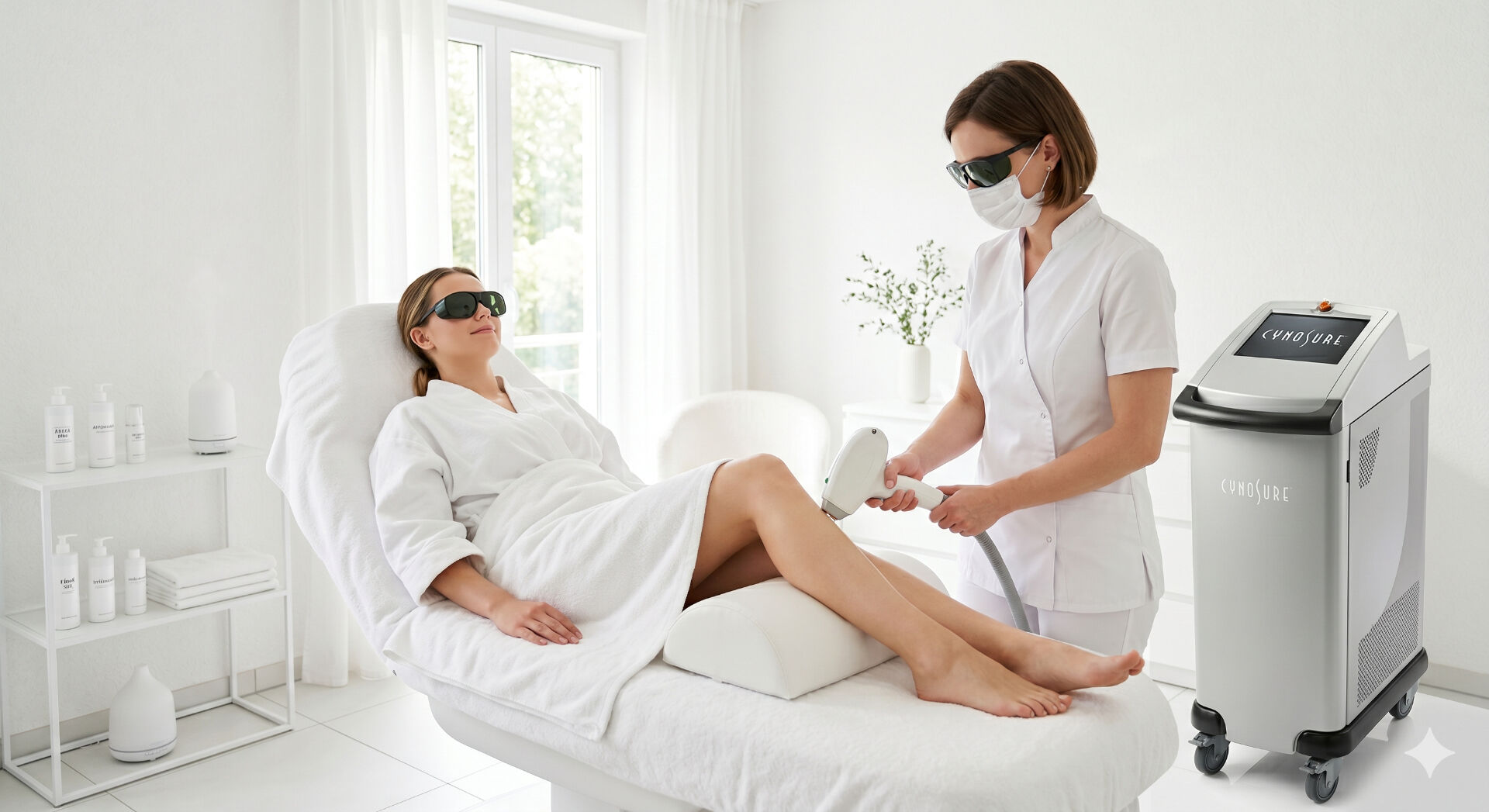
Lesion removal is often scheduled alongside laser hair removal in Dubai or CO2 laser resurfacing for efficiency — see all laser and skin procedures in Dubai.
Benefits
- Fast procedures, most completed in one visit
- Doctor assessment before any lesion is removed
- Histopathology available where clinically indicated
- Technique matched to lesion type for minimal scarring
- Comfortable under local anaesthetic
- Multiple lesions can be treated in a single session
Concerns we treat
Ideal candidates
Anyone in Dubai wanting safe, medically supervised removal of benign skin lesions — or a professional opinion on a mole that has changed.
Not every skin lesion is suitable for cosmetic removal. A mole that is new, changing or unusual should first be examined during a dermatology consultation.
The treatment process
- 1Doctor examination and dermoscopy of every lesion
- 2Discussion of technique, expected healing and scarring
- 3Local anaesthetic for comfort
- 4Removal by electrosurgery, laser, cryotherapy or excision as appropriate
- 5Histopathology where indicated, plus written aftercare and a wound-review appointment
A small scab for 5–10 days; most patients resume normal routines immediately.
A doctor-led clinic in Dubai Healthcare City
At Silk Clinics in Dubai Healthcare City, every treatment is doctor-led, clinically supervised and tailored to your skin, anatomy and goals. We combine advanced technology, premium products and a refined patient experience — guided by our promise: Safety First. Beauty Always.
Meet our teamAssessment first — why we examine before we remove
The most important part of lesion removal happens before any device is switched on. Every mole is examined clinically and with dermoscopy, because a lesion that looks cosmetic to the patient occasionally carries features that require histological examination.
Destructive methods such as cryotherapy or electrosurgery leave no tissue to analyse. That is why our doctors will not use them on a pigmented lesion with atypical features — such lesions are excised so the tissue can be sent to the laboratory.
This is the practical reason to avoid non-medical mole removal services and at-home removal kits: the risk is not the scar, it is removing a lesion that should have been examined and losing the opportunity to diagnose it.
Dubai's high year-round UV exposure makes routine skin checks worthwhile, especially for fair-skinned residents and anyone with many moles or a family history of skin cancer.
Skin tags, warts, moles and seborrhoeic keratoses — how they differ
Skin tags are small, soft, skin-coloured growths on a narrow stalk. They usually appear where skin rubs, such as the neck, underarms and eyelids.
Warts are rough growths caused by human papillomavirus. They can spread and may come back after treatment.
Moles are clusters of pigment cells. Most are harmless, but a mole is the lesion type most likely to need a doctor's assessment before any removal is considered.
Seborrhoeic keratoses are harmless, waxy, "stuck-on" growths that become more common with age. Some look like pigmented moles, so they are examined before treatment.
Not every mole is suitable for cosmetic removal. The doctor decides the right approach after examination.
Warning signs that need a dermatologist's assessment
Book a dermatology assessment before any removal if a lesion:
is new in adulthood, or is changing in size, shape or colour
has an irregular border, several colours, or looks different from your other moles
itches, bleeds, crusts or won't heal
grows quickly or becomes raised or firm
These signs don't mean a lesion is harmful. They mean it should be examined first rather than removed for cosmetic reasons.
Factors your doctor will assess before removal
Some factors need an individual assessment and may change the timing or method, or mean removal isn't advised:
Pregnancy: non-urgent cosmetic removal is usually postponed. Any changing lesion is still assessed.
Anticoagulant or antiplatelet medication: these are reviewed for bleeding risk. Never stop them without advice from the prescribing doctor.
Impaired wound healing (for example poorly controlled diabetes, or some medicines and conditions)
Keloid or hypertrophic scar tendency: especially on the chest, shoulders and earlobes
Histopathology when clinically indicated
When a lesion has features that need a diagnosis, it is removed in a way that keeps the tissue, so it can be examined under a microscope (histopathology). Laser, freezing and electrosurgery destroy the tissue, so they are not used on those lesions.
Choosing the right removal technique
Electrosurgery (hyfrecation) is efficient for skin tags and small raised benign lesions: the base is treated precisely with minimal bleeding, and healing is quick with a small scab.
Cryotherapy freezes viral warts and some keratoses and may need repeating. Ablative laser is useful for superficial lesions in cosmetically sensitive areas where precision matters most.
Shave excision and full excision with sutures are reserved for moles, larger lesions and anything requiring histopathology. Excision leaves a linear scar but provides a definitive specimen and the lowest recurrence rate.
Warts: why they behave differently
Warts are caused by human papillomavirus infecting the skin, so removing the visible lesion does not always eliminate the virus in surrounding tissue. Recurrence is common and does not mean the procedure failed.
Plantar warts on weight-bearing surfaces are particularly stubborn and frequently need a staged approach over several visits, sometimes combined with topical therapy between sessions.
Because warts are transmissible, we advise not sharing towels or footwear, keeping the area covered in gyms and pools, and treating early before spread to adjacent skin.
Aftercare and minimising the mark
Keep the site clean and dry for 48 hours, apply any prescribed ointment, and never pick the scab — premature removal is the single most common cause of a visible mark.
Once the scab separates, the new skin is fragile and highly susceptible to pigmentation. Broad-spectrum SPF 50 on the site for at least three months is the most effective thing you can do for the final cosmetic result, particularly in Dubai.
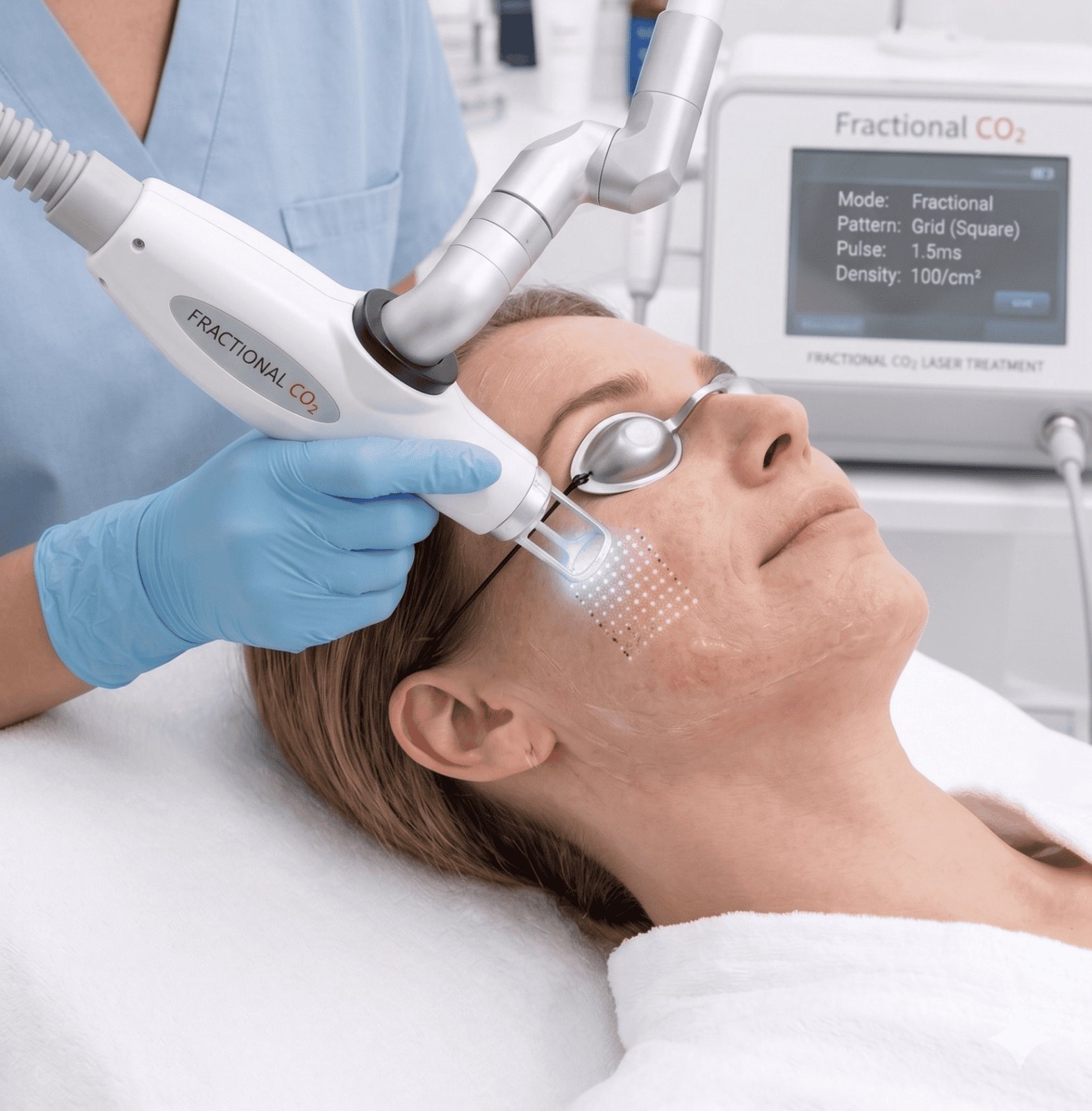
If the site is on the face and a residual mark persists, our doctors can improve it later with fractional CO2 laser or rejuvenation laser once healing is complete.
Expected results
Immediate removal of the lesion, with the treated site healing to a small pink mark over 1–2 weeks that continues to fade over 2–3 months.
Recovery timeline
- Day 0Procedure performed; small dressing applied, mild tenderness as anaesthetic wears off.
- Day 1–3A scab forms; keep the area clean and dry, avoid picking, use prescribed ointment.
- Day 5–10Scab separates naturally revealing pink new skin; sun protection becomes essential.
- Week 2–6Pinkness fades progressively; sutures, if used, are removed at 7–14 days.
- Month 2–3Final cosmetic result; residual mark continues to soften.
Annual skin check, particularly for patients with many moles or a history of sun damage.
A course of multiple sessions, spaced as advised by your doctor, is usually required to reach the planned outcome.
Suitable candidate
- Benign skin tags, warts and seborrhoeic keratoses
- Cosmetically bothersome moles cleared as benign on examination
- Lesions catching on clothing, jewellery or during shaving
- Patients wanting a mole professionally assessed
Not suitable for
- Lesions that require specialist oncological management — these are referred appropriately
- Active local skin infection until treated
- Uncontrolled bleeding disorders without prior medical clearance
- Keloid-prone patients in high-risk sites, without a documented discussion of scarring risk
Risks & side effects
Every medical procedure carries some risk. We discuss these fully at consultation so you can decide with confidence.
- Temporary redness, tenderness and scab formation
- Small residual mark or flat scar, particularly on the trunk and shoulders
- Temporary hypo- or hyperpigmentation, more likely in darker skin
- Small risk of local infection, minimised by proper aftercare
- Recurrence, particularly with viral warts
Combination treatments
Skin Tags, Warts & Mole Removal works well alongside the following treatments. Your doctor will recommend the right combination at consultation.
What Silk Clinics doctors commonly recommend
For multiple skin tags, our doctors usually remove them in a single electrosurgery session under local anaesthetic, with a wound review at one week.
For any pigmented mole with atypical or changing features, excision with histopathology is recommended rather than a destructive cosmetic method — a principle we do not compromise on.
For residual marks after healing, we plan resurfacing at least 8–12 weeks later so the skin is fully repaired before laser is considered.