
Skin and hair are often the first place internal health changes become visible. Persistent acne along the jawline, sudden hair shedding a few months after a stressful event, new pigmentation patches, dull dehydrated skin, brittle nails or a thinning hairline can all be signs that something deeper — hormonal, nutritional, inflammatory or metabolic — is influencing the body. Cosmetic treatments alone may improve appearance, but they rarely resolve a problem whose root cause is medical rather than aesthetic.
This guide is a doctor-led educational overview of the most common medical conditions that may affect skin and hair. It explains how hormones, thyroid function, nutrition, stress, sleep, autoimmune and inflammatory conditions, and aging-related changes can contribute to what patients see in the mirror — and when a personalised medical assessment is worth considering alongside, or before, any aesthetic plan. The goal is education and realistic context, not a diagnostic checklist or a substitute for professional consultation.
Table of Contents
- Why Skin & Hair Often Reflect Internal Health
- Hormonal Conditions
- Thyroid Disorders
- Nutritional Deficiencies
- Stress, Sleep & Lifestyle Factors
- Autoimmune & Inflammatory Conditions
- Aging, Collagen Changes & Skin Quality
- When Professional Assessment Matters
- Why Combination Treatment Approaches Are Often Important
- FAQ
Why Skin & Hair Often Reflect Internal Health
Skin is the body's largest organ and hair follicles are among its most metabolically active structures. Both are highly responsive to the body's hormonal, nutritional and inflammatory environment. When that environment shifts — through life stages, illness, deficiency, stress or chronic inflammation — the visible signs often appear on the scalp, face and body before they appear in lab results.
Several physiological pathways explain this connection:
- Hormones regulate sebum (oil) production, hair growth cycles and skin thickness. Androgens, oestrogens, progesterone, cortisol, insulin and thyroid hormone all leave fingerprints on skin and hair.
- Nutrition supplies the building blocks for collagen, keratin and the cellular machinery of skin renewal. Deficiencies in iron, vitamin D, B vitamins, zinc, protein and essential fats can show up as dullness, dryness, slow healing or shedding.
- Inflammation affects the skin barrier, the scalp environment and the follicle cycle. Chronic low-grade inflammation is now recognised as a contributor to skin aging, breakouts and certain hair conditions.
- Stress influences cortisol, sleep, immune function and hormonal balance. Many patients first notice their skin or hair changing after a sustained stressful period.
- Circulation, sleep, hydration and overall wellness determine how efficiently the skin renews and how well follicles deliver their growth cycles.
Understanding these underlying drivers is what separates a generic cosmetic approach from a personalised medical one. At Silk Clinics in Dubai Healthcare City, this is the lens we apply before recommending any aesthetic or regenerative plan.
Hormonal Conditions That May Affect Skin & Hair
Hormonal imbalances are among the most common medical drivers of skin and hair changes — and among the most under-recognised by patients. Subtle shifts in the body's hormonal environment can produce highly visible effects.
Polycystic ovary syndrome (PCOS). PCOS is a common endocrine condition that may present with hormonal acne (particularly along the jawline and lower face), unwanted facial or body hair, scalp hair thinning, irregular cycles and changes in skin texture. Treatment is medical first; aesthetic support such as laser hair removal in Dubai or targeted chemical peels may complement medical management, but rarely replaces it.
Androgen-related hair thinning. In genetically predisposed individuals, androgens can miniaturise scalp follicles over time, producing a gradually thinner hairline or diffuse density loss. This pattern often responds to medical management combined with regenerative options such as PRP/PRF hair treatment in Dubai and hair exosomes in Dubai, particularly when started early. Our overview of hair restoration in Dubai explores the full range of options.
Hormonal acne. Cyclical breakouts that flare around the menstrual cycle, after stopping or starting hormonal contraception, or during perimenopause are often hormonally driven. Topical and procedural treatments help, but identifying the hormonal pattern matters for long-term control.
Menopause and perimenopause. Declining oestrogen levels can be associated with thinner, drier skin, reduced elasticity, slower healing and changes in hair density. Treatments such as Profhilo in Dubai, skin boosters and structured anti-aging plans can help support skin quality alongside, where appropriate, medical management.
Postpartum hormonal shifts. Many patients experience visible hair shedding 2–4 months after childbirth as the hair cycle resets, often alongside skin changes. This is usually self-limiting, but persistent shedding warrants assessment to exclude other contributors such as iron deficiency or thyroid dysfunction.
Hormonal evaluation — through history, examination and selected blood work — may sometimes be recommended before, or alongside, an aesthetic plan. It is not always needed, but for the patterns above it is often the most useful first step.
How Thyroid Disorders May Affect Skin & Hair
Thyroid hormones regulate metabolism in almost every tissue, including the skin and hair follicles. Both an underactive thyroid (hypothyroidism) and an overactive thyroid (hyperthyroidism) can contribute to skin and hair changes, sometimes well before other symptoms are obvious.
Reported signs that may be associated with thyroid dysfunction include:
- Diffuse hair thinning across the scalp, often with finer, more brittle strands
- Slower-growing hair and reduced hair density over time
- Dry, rough or itchy skin and brittle nails
- Puffiness, sallow tone or changes in skin texture
- Fatigue-related changes in appearance — under-eye shadows, dullness, loss of vitality
Thyroid disorders require medical diagnosis and management. Once thyroid function is investigated and, where needed, treated, supportive skin and hair care — including Hydrafacial in Dubai, skin boosters, and regenerative therapies for the scalp — often becomes far more effective than aesthetic treatment alone.
Nutritional Deficiencies & Skin/Hair Health
Nutritional deficiencies are common, frequently underestimated, and often clinically relevant in Dubai because of indoor lifestyles, restrictive diets, fasting patterns and high sun-avoidance. Even subtle deficiencies can affect hair growth, skin barrier function and the rate of cellular renewal.
Iron deficiency. One of the most common contributors to diffuse hair shedding, particularly in menstruating women. Low ferritin can cause fatigue, pallor and reduced hair density even when full-blood-count results look normal.
Vitamin D deficiency. Widely prevalent in the region. Has been associated with skin barrier dysfunction, increased inflammation and certain forms of hair shedding.
Protein intake. Hair is largely made of keratin, a protein. Chronically low protein intake — from very restrictive diets, prolonged fasting or eating disorders — can compromise hair quality and growth.
B vitamins (including B12 and biotin). Important for cellular energy, healing and the integrity of skin and hair. Deficiency may contribute to fatigue, brittle hair and skin changes; supplementation should be based on evaluation, not assumption.
Hydration and essential fats. Adequate hydration and healthy fats support skin barrier function and a comfortable, supple complexion.
For appropriate patients, a structured plan that includes nutritional review, oral supplementation and where indicated IV vitamin therapy in Dubai can support skin and hair quality alongside aesthetic treatments. Supplementation should be guided by clinical assessment and, where appropriate, blood work — not by social media trends.
Stress, Sleep & Lifestyle Factors
Lifestyle factors are some of the most powerful — and most modifiable — contributors to skin and hair changes. Their effects build gradually but can also reverse meaningfully once addressed.
- Chronic stress influences cortisol, sleep, immune function and the hair cycle. Significant emotional or physical stress may contribute to temporary diffuse hair shedding (telogen effluvium) that becomes visible 2–3 months later.
- Poor sleep affects skin repair, inflammation and overall vitality. Persistent sleep deprivation often shows on the face before patients connect the two.
- Smoking is consistently associated with accelerated skin aging, dullness and impaired healing.
- Dehydration affects skin barrier function and comfort, particularly in Dubai's climate.
- Rapid weight loss and very restrictive dieting can trigger nutritional shedding and skin changes — frequently the trigger that brings patients in to a clinic.
- Excessive UV exposure drives photoaging, pigmentation and texture changes that often dominate the visible signs of aging.
Addressing lifestyle factors is rarely glamorous, but it is consistently one of the highest-impact components of a long-term skin and hair plan. Aesthetic treatments deliver more, and last longer, when the underlying environment supports them.
Autoimmune & Inflammatory Conditions
A number of autoimmune and inflammatory conditions can affect skin and hair, sometimes as their main visible feature. These require medical diagnosis and management, and are highlighted here for educational awareness only.
Autoimmune conditions affecting hair. Conditions in the alopecia areata family can cause patchy, sudden hair loss that requires dermatology input. Other systemic autoimmune diseases may also have skin and hair manifestations.
Inflammatory skin conditions. Eczema, rosacea, seborrhoeic dermatitis, psoriasis and chronic urticaria each affect the skin barrier in different ways. Their management often combines medical treatment with carefully chosen skincare and, where appropriate, gentle aesthetic support.
Scalp inflammation. Persistent itching, flaking, redness or discomfort on the scalp may reflect dermatological conditions that benefit from medical assessment before regenerative or cosmetic scalp procedures.
Patients with known or suspected autoimmune or inflammatory conditions should be assessed by an appropriate medical professional. Aesthetic and regenerative options can often play a supportive role once the underlying condition is properly diagnosed and stable.
Aging, Collagen Changes & Skin Quality
Aging is a normal biological process, not a medical condition — but it overlaps closely with the topics above because the same hormonal, nutritional, inflammatory and lifestyle factors influence how visibly the face and scalp age.
Key age-related changes include:
- Gradual decline in collagen and elastin production
- Reduced skin elasticity, firmness and bounce
- Slower cellular turnover and a duller surface finish
- Drier skin, thinner skin and a more fragile barrier
- Reduced hair density, slower hair cycles and finer hair shafts
- Cumulative photoaging and pigmentation changes
Multiple factors usually overlap. Two patients of the same age can present very differently because their hormonal status, nutritional balance, sun history and lifestyle are different. This is why honest anti-aging treatments in Dubai are built around personalised assessment rather than a default menu. Supportive options range from regenerative therapies such as Profhilo, skin boosters and PRP/PRF facials, to deeper structural work with CO2 Laser in Dubai where indicated, alongside long-term skincare and sun protection. Where loss of firmness is the main concern, our comparison of skin tightening in Dubai explains the main non-surgical options.
When Professional Assessment Matters
Many skin and hair concerns are mild, self-limiting or cosmetic in nature. Others are signals worth investigating. As a general guide, professional assessment is worth considering when patients experience:
- Sudden or unusually heavy hair shedding that persists beyond a few weeks
- Patchy or rapidly progressive hair loss
- Persistent or severe acne that does not respond to good skincare
- Unexplained new pigmentation, lesions or rashes
- Chronic scalp irritation, itching, redness or pain
- Persistent skin dryness, sensitivity or barrier compromise
- Skin or hair changes alongside other symptoms such as fatigue, cycle changes, weight changes, mood changes or temperature intolerance
Underlying medical causes sometimes require investigation — a focused history, a clinical examination and selected blood work can clarify whether a medical contributor is present. Identifying or excluding these factors at the start often makes downstream aesthetic and regenerative treatments more effective and more predictable.
Importantly, professional assessment is not the same as immediate intervention. In many cases the assessment is reassuring and the plan is conservative — better skincare, better nutrition, targeted lifestyle changes and patience. In other cases it directs treatment toward the actual cause rather than the visible symptom.
Why Combination Treatment Approaches Are Often Important
When medical, nutritional and lifestyle factors are involved, treatment plans are rarely a single procedure. Effective long-term care often combines several layers, each addressing a different contributor.
A combined approach may include:
- Medical evaluation — focused history, examination and, where appropriate, blood work to identify hormonal, thyroid, nutritional, inflammatory or metabolic factors
- Personalised skincare — barrier support, targeted actives and sun protection tailored to skin type and condition
- Nutritional and wellness support — guidance on diet, hydration, supplementation and where indicated IV vitamin therapy in Dubai or IV drips
- Regenerative therapies — PRP/PRF hair treatment, hair exosomes, exosome therapy for skin and PRP/PRF facials to support tissue quality
- Targeted aesthetic treatments — Hydrafacial, skin boosters, Profhilo, chemical peels and, for deeper concerns, fractional CO2 Laser
- Lifestyle optimisation — sleep, stress management, exercise and sun protection
- Follow-up and review — adjusting the plan based on response over weeks and months
No reputable plan should promise a cure for hair loss, complex hormonal acne or chronic skin conditions. The goal of medically-led aesthetic care is realistic, durable support — improving what can be improved, stabilising what can be stabilised, and recognising what is best managed by another specialty. For acne specifically, our broader skin treatments in Dubai hub and our companion guide on the best acne scar treatments in Dubai outline how cosmetic care fits into a wider medical plan.
At Silk Clinics in Dubai Healthcare City, every plan starts with a personalised consultation, an honest discussion of expectations and a structured approach to medical, lifestyle and aesthetic factors. The same philosophy — Safety First, Beauty Always — applies whether the recommendation is a single Hydrafacial or a multi-month combined plan.
Safety First, Beauty Always.
Personalized Skin Plan
Not sure which treatment is right for you?
Answer 9 quick questions and get a doctor-designed pathway — with realistic timelines, downtime and session counts for your skin.
Browse the category
Explore all Hair Treatments in DubaiMedically-led hair restoration in Dubai using PRP, exosomes, growth factors and mesotherapy — clinically structured programs for thinning, shedding and early hair loss.
Treatments mentioned in this guide
Book a consultation
Considering Medical Conditions Affecting Skin & Hair in Dubai?
Our DHA-licensed doctors at Dubai Healthcare City will assess your concern and build a personalised, transparent plan — no obligation, no pressure.
Frequently asked questions
Can hormones affect skin and hair?
Does stress cause hair loss?
Can thyroid problems affect skin quality?
View more frequently asked questions (5)
Can nutritional deficiencies cause hair thinning?
Why is my skin changing suddenly?
When should hair loss be medically evaluated?
Can cosmetic treatments alone solve hair loss?
What treatments may help support skin and hair quality?
About the author
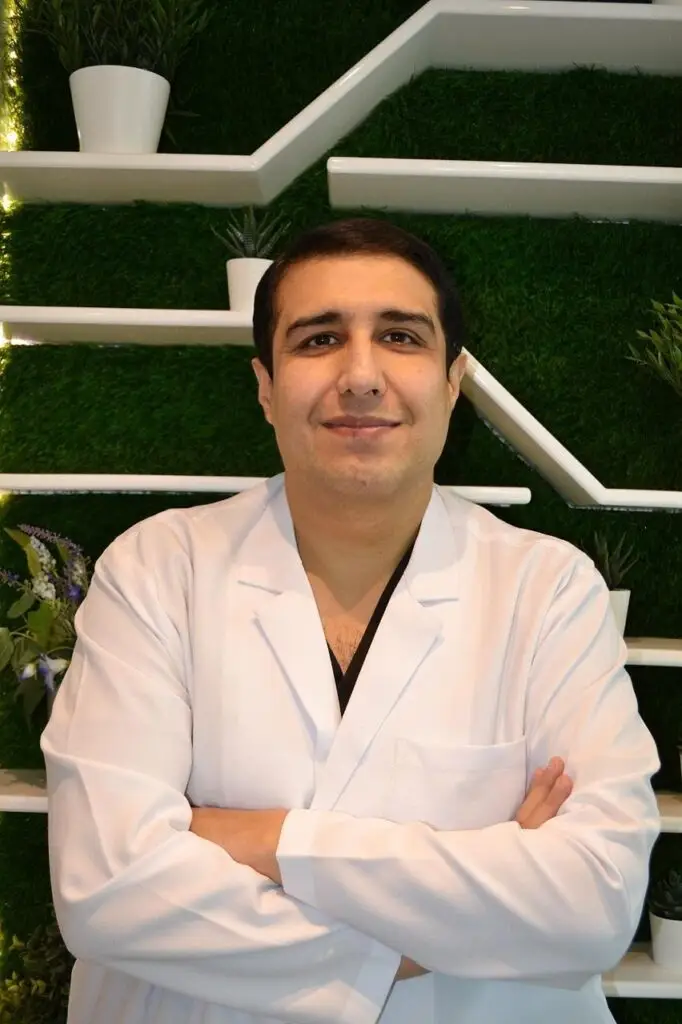
Medical Director — Aesthetic & Regenerative Medicine
Leading Silk Clinics with years of experience in aesthetic medicine, Dr Ahmad Sadeqyar oversees clinical excellence across all departments and personally treats complex aesthetic cases.
- MD — Aesthetic Medicine
- Advanced Diploma in Regenerative Therapy
- Member, IMCAS
Medically reviewed by Noemi — Head Nurse, Laser Treatments & Aesthetics.