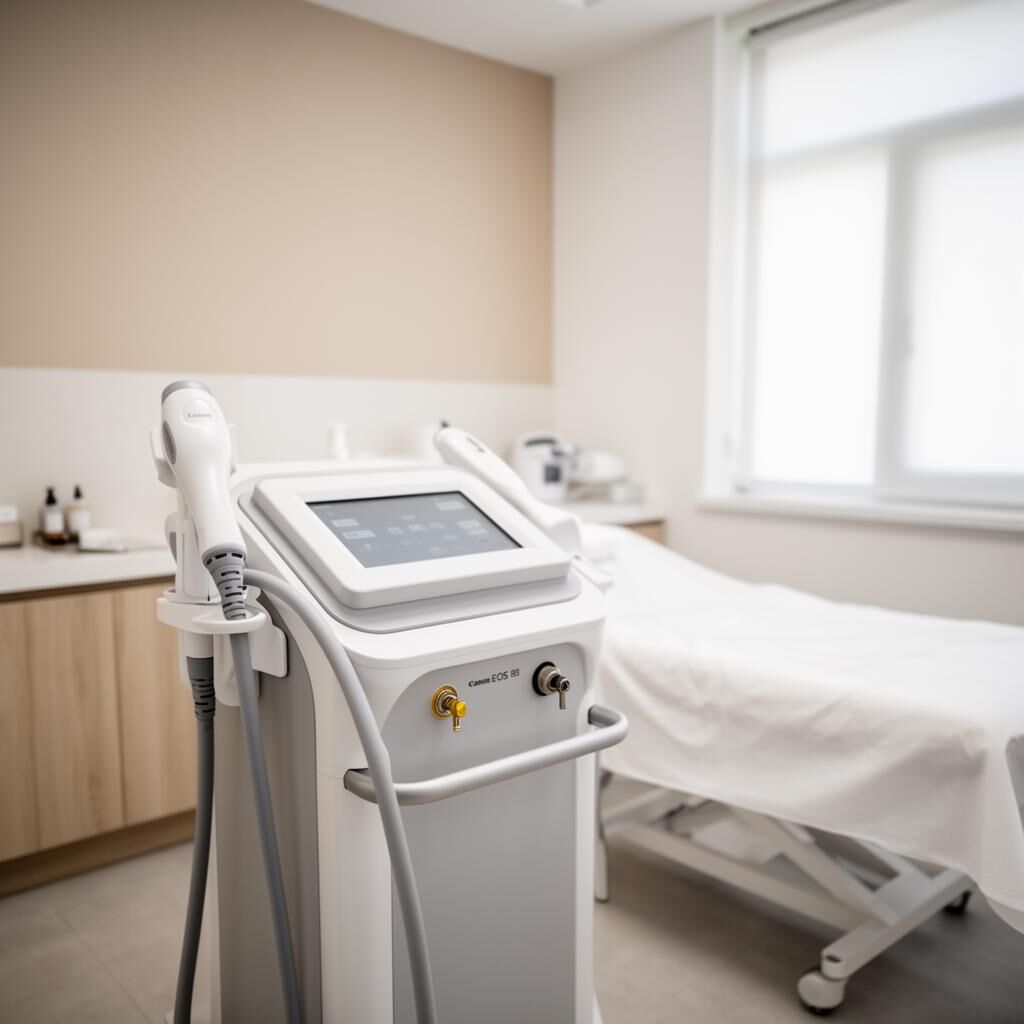
What is Skin Rejuvenation Laser?
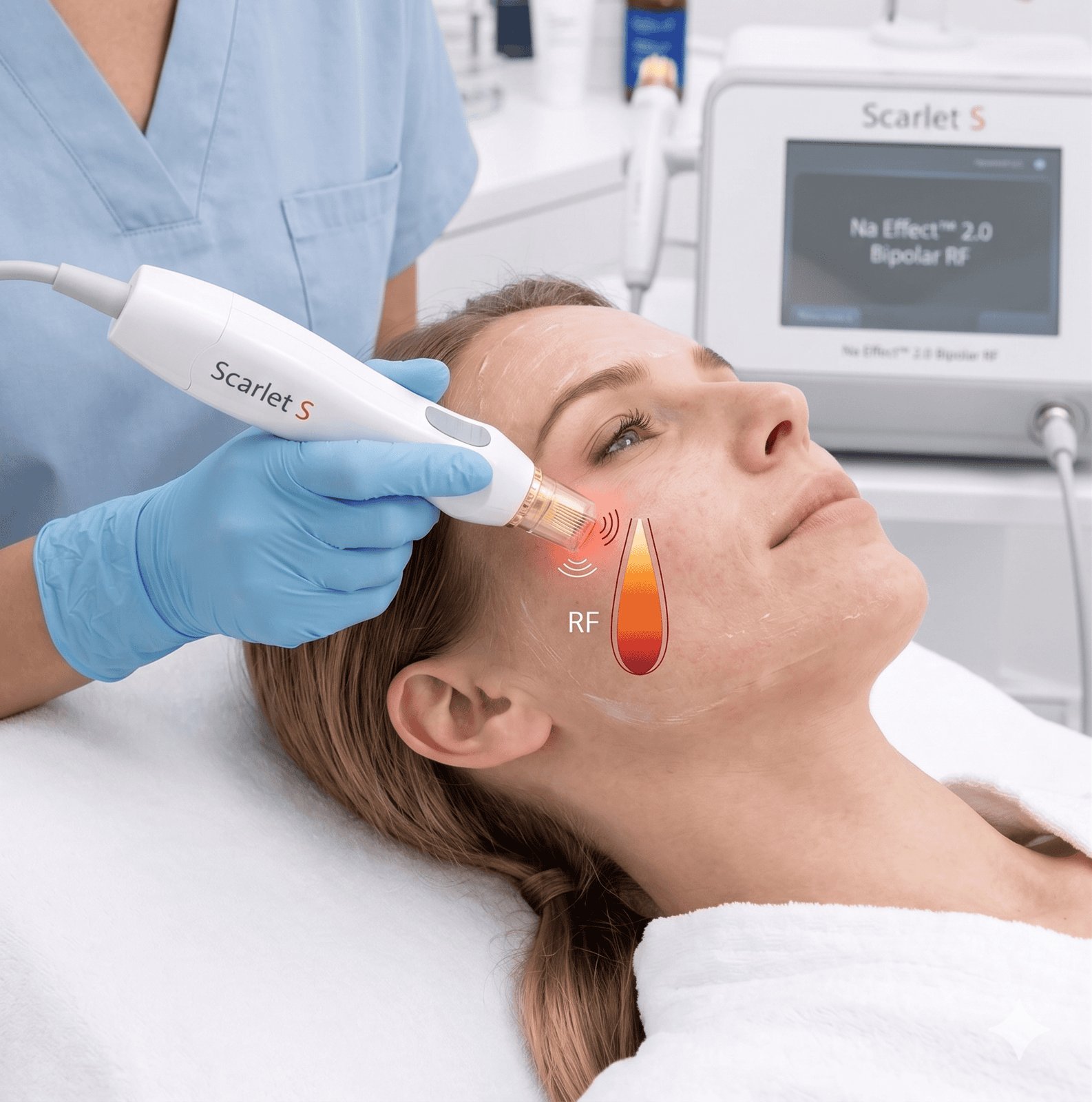
Non-ablative laser rejuvenation passes controlled light energy through the skin surface to heat the dermis without wounding the epidermis. That controlled heating stimulates collagen remodelling, breaks down excess pigment and reduces superficial vascular redness, while the intact skin surface keeps recovery to hours rather than days.
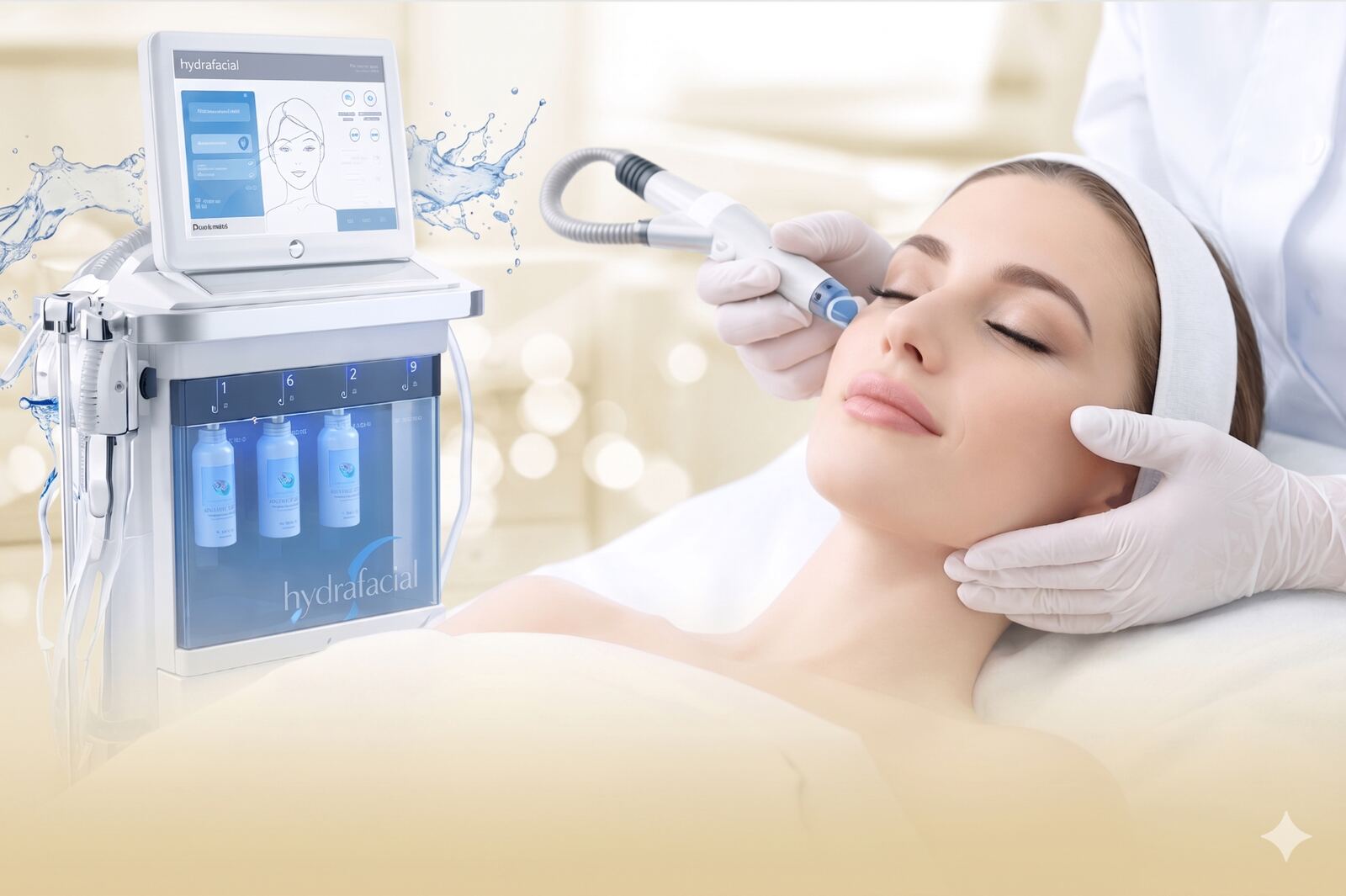
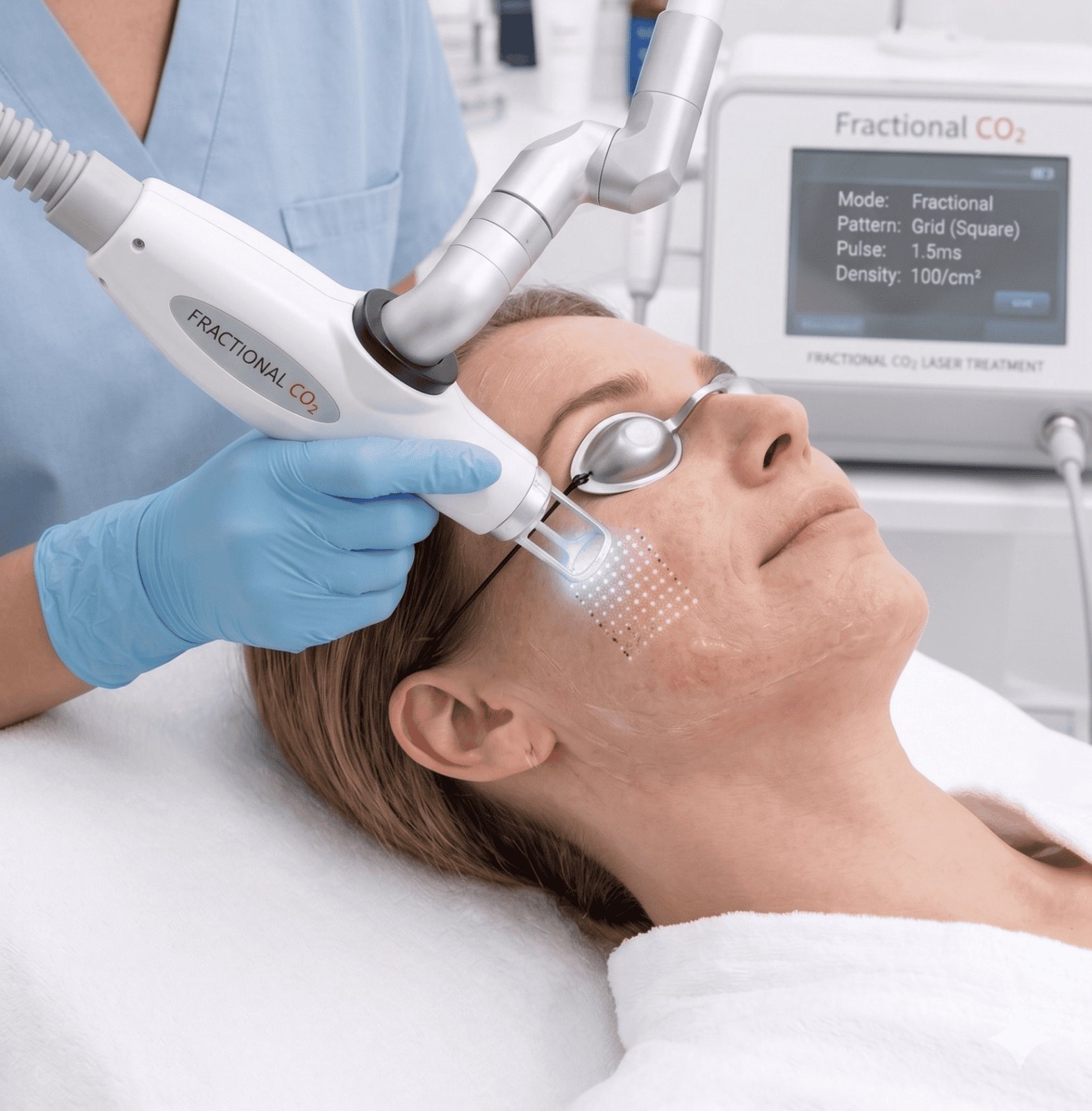
Rejuvenation laser is commonly sequenced with HydraFacial in Dubai, skin boosters and medical peels, and stepped up to fractional CO2 laser where texture and scarring dominate — see all laser treatments in Dubai.
Benefits
- Restores brightness and clarity to dull skin
- Evens out tone and reduces mild pigmentation
- Calms diffuse redness and small visible vessels
- Softens early fine lines through collagen stimulation
- Refines pore appearance and surface texture
- Little to no downtime — suitable before events
Concerns we treat
Ideal candidates
Patients in Dubai who want visible improvement in glow, tone and texture without the recovery of ablative resurfacing — including those preparing for an event or maintaining results between stronger treatments.
The treatment process
- 1Doctor-led skin analysis and Fitzpatrick typing
- 2Test patch and parameter selection for darker skin tones where indicated
- 3Cleanse, eye protection and cooling
- 4Laser pass across the treatment area, typically 20–30 minutes
- 5Soothing post-care, SPF application and follow-up scheduling
None to minimal — mild redness and warmth for a few hours.
A doctor-led clinic in Dubai Healthcare City
At Silk Clinics in Dubai Healthcare City, every treatment is doctor-led, clinically supervised and tailored to your skin, anatomy and goals. We combine advanced technology, premium products and a refined patient experience — guided by our promise: Safety First. Beauty Always.
Meet our teamLaser skin rejuvenation in Dubai — built around skin tone
Dubai's patient population spans the full Fitzpatrick range, and skin types IV to VI carry a genuine risk of post-inflammatory hyperpigmentation when laser settings are too aggressive. Our doctors treat parameter selection as a clinical decision, not a device preset, and use test patching where there is any doubt.
Year-round UV, air-conditioned dehydration and frequent travel are the three factors that most consistently dull skin here. Non-ablative rejuvenation addresses the visible consequences — uneven tone, pigment and lost radiance — while your home routine addresses the causes.
This treatment is deliberately gradual. Each session produces a visible but modest step, and the course produces the transformation. That trade-off is what buys the absence of downtime, and it is the right choice for most patients with tone and clarity concerns rather than deep scarring.
Where texture, acne scarring or deep wrinkles dominate, our doctors will usually recommend fractional CO2 laser in Dubai instead, and reserve rejuvenation laser for maintenance afterwards.
What non-ablative laser actually changes in the skin
Laser light is absorbed selectively by targets in the skin: melanin in pigment clusters, haemoglobin in small vessels, and water in the dermis. By choosing wavelength and pulse duration, the same platform can be steered towards pigment, redness or collagen.
Pigment absorption fragments excess melanin, which is then cleared by the skin's own cells over the following days — the reason superficial spots often look darker before they fade. Dermal heating triggers a controlled wound-healing response that produces new collagen over 6–12 weeks.
Because the epidermis is preserved, the barrier stays intact. This is what allows patients to return to work, exercise and makeup within a day, and why the treatment can be repeated at monthly intervals.
Rejuvenation laser vs CO2 laser vs peels
Rejuvenation laser targets tone, clarity, redness and early ageing with no downtime. CO2 laser is ablative and addresses acne scars, deep wrinkles and significant texture, with 5–7 days of structured recovery.
Medical peels in Dubai work chemically on the surface layers and are excellent for congestion, superficial pigment and dullness — often the more economical route for maintenance and frequently alternated with laser.
For pigmentation specifically, our doctors may combine rejuvenation laser with a dedicated pigmentation treatment plan including prescription topicals, since laser alone rarely resolves melasma-type pigment without medical support.
Aftercare that protects your result
Sun protection is not optional. Broad-spectrum SPF 50 every morning, reapplied through the day when outdoors, is what prevents pigment from returning and protects against post-inflammatory darkening in the days after each session.
Skip retinoids, acids and physical scrubs for 3–5 days, and keep the barrier supported with a simple ceramide moisturiser. Avoid saunas, steam rooms, hot yoga and pools for 48 hours.
Between sessions, HydraFacial or skin boosters are often used to sustain hydration and glow, particularly for patients spending long hours in air conditioning.
Expected results
Immediate glow after the first session, clearer tone and reduced pigment over 3–4 sessions, and improved firmness and texture by the end of a 6-session course.
Recovery timeline
- Hours 0–4Mild warmth and redness, similar to light sun exposure.
- Day 1Redness settles; makeup, work and exercise resume normally.
- Day 3–7Skin looks brighter and more even; superficial pigment may darken briefly then lift.
- Week 4Next session; cumulative improvement in tone and clarity.
- Month 3Collagen-driven firmness and texture improvement becomes visible.
One session every 2–3 months to maintain tone, clarity and collagen support.
A course of multiple sessions, spaced as advised by your doctor, is usually required to reach the planned outcome.
Suitable candidate
- Dull, uneven or sun-stressed skin
- Mild pigmentation and early photoageing
- Diffuse redness and reactive tone
- Patients who need results without visible downtime
Not suitable for
- Active infection, cold sores or open lesions in the treatment area
- Recent significant sun exposure or active tan
- Isotretinoin use within the interval advised by your doctor
- Pregnancy, and photosensitising medication unless reviewed by your doctor
Risks & side effects
Every medical procedure carries some risk. We discuss these fully at consultation so you can decide with confidence.
- Transient redness and warmth for a few hours
- Temporary darkening of pigment before it lifts
- Mild swelling in delicate areas for up to 24 hours
- Rare post-inflammatory hyperpigmentation in darker skin if aftercare or SPF is neglected
- Very rare blistering with inappropriate settings — mitigated by doctor-led parameter selection and test patching
Combination treatments
Skin Rejuvenation Laser works well alongside the following treatments. Your doctor will recommend the right combination at consultation.
What Silk Clinics doctors commonly recommend
For dullness and uneven tone, our doctors typically recommend 4 monthly rejuvenation laser sessions with medical-grade home care and daily SPF 50, then maintenance every 2–3 months.
For pigmentation-led concerns, laser is combined with a structured pigmentation protocol rather than used alone, because pigment is a medical condition with triggers that must be controlled.
For patients with both texture and tone concerns, a staged plan is used: CO2 laser first for texture, then rejuvenation laser for tone and long-term maintenance.