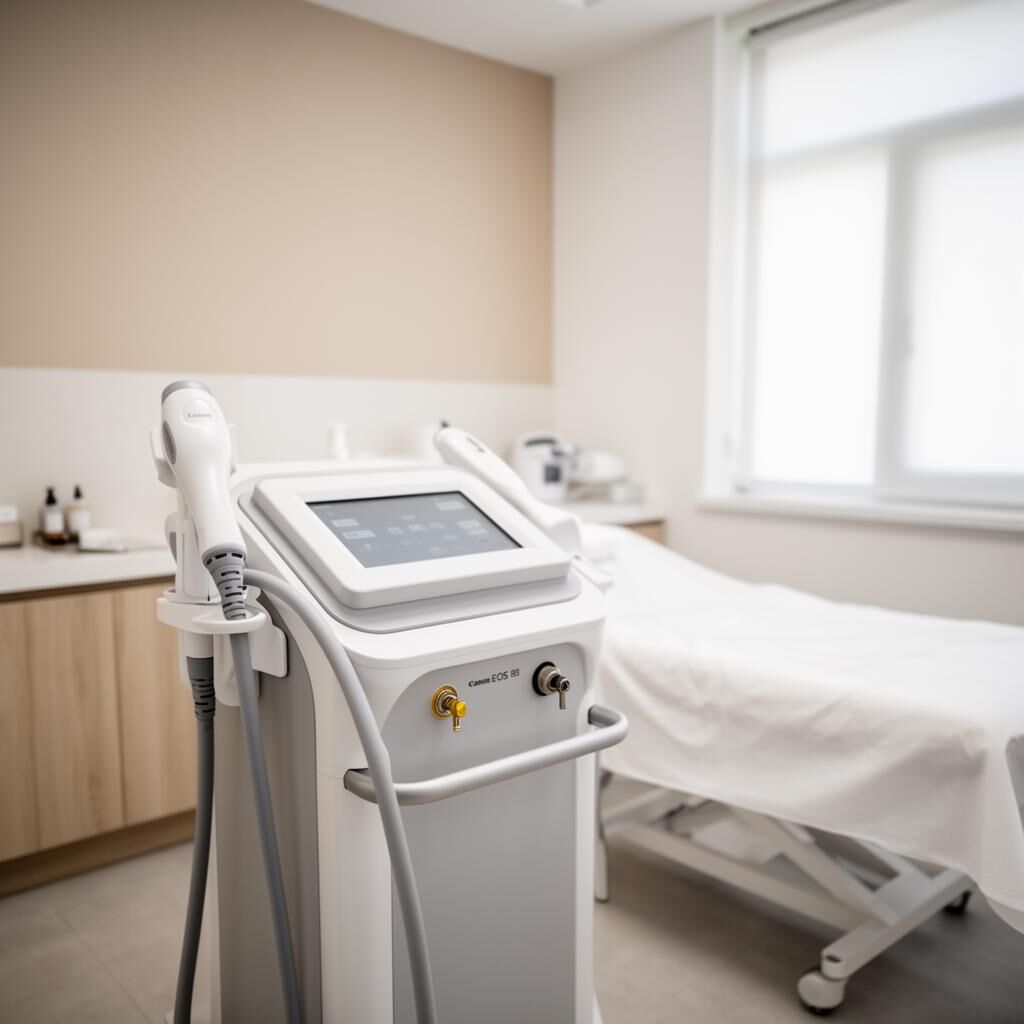
What is Pigmentation Treatment?
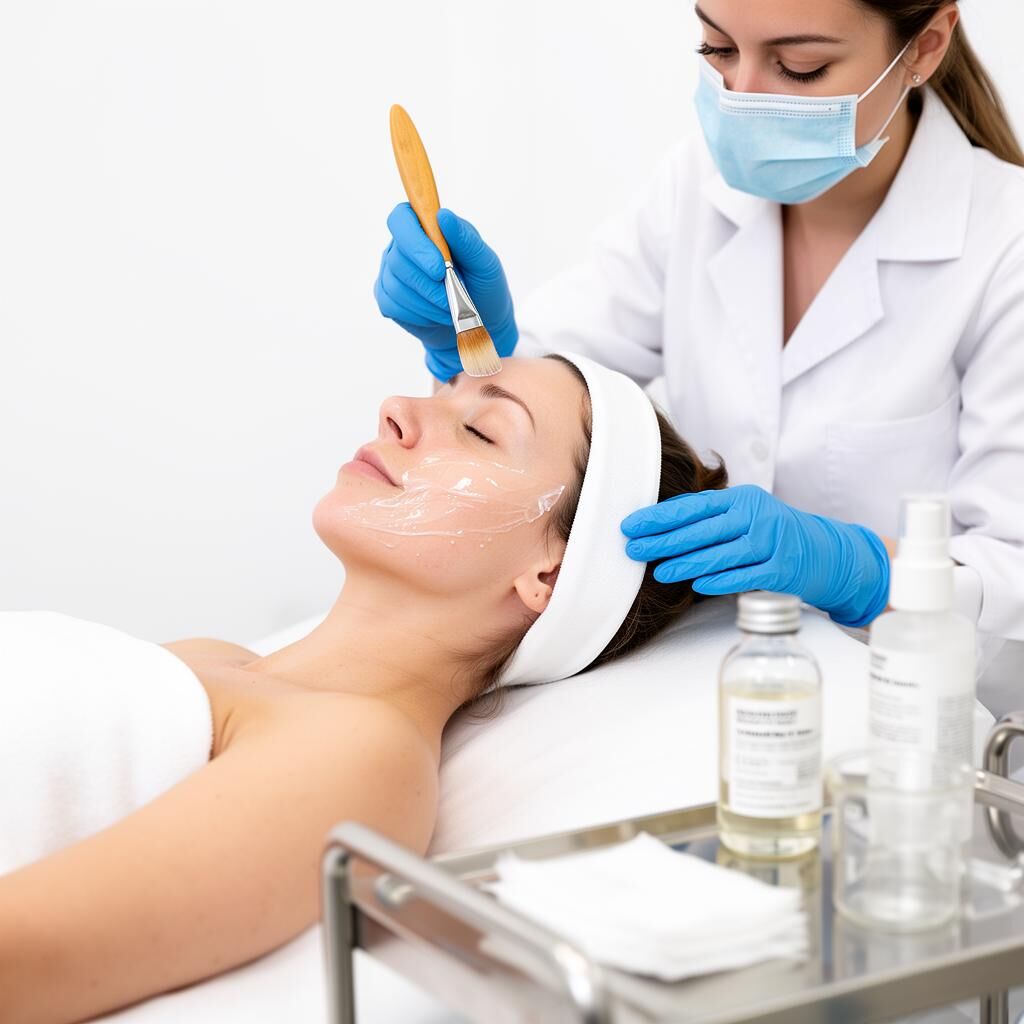
A tailored combination protocol that may include Q-switched lasers, peels and prescription topicals depending on diagnosis.
Benefits
- Brighter, more even tone
- Reduces sun damage and age spots
- Fades post-inflammatory hyperpigmentation from acne
- Treats melasma safely under medical supervision
- Long-term clarity with maintenance
Concerns we treat
Ideal candidates
Adults in Dubai with melasma, sun-induced dark spots, PIH from acne, freckles or uneven tone across all skin types — including Middle Eastern, South Asian and African skin — who want a medically supervised, combination-therapy pigmentation plan.
Melasma and recurring pigmentation can have several causes, so a specialist dermatology assessment helps identify the type of pigment and its likely triggers before a treatment plan is chosen.
The treatment process
- 1Doctor-led skin diagnosis with Wood's lamp to distinguish epidermal vs dermal pigmentation
- 2Customised plan: laser + peels + prescription topicals
- 3Photo documentation for objective progress tracking
- 4Series of sessions over 3–6 months
- 5Strict SPF 50+ and maintenance protocol
Depends on protocol — Q-switched laser 24–48h, Cosmelan peel 5–7 days of controlled peeling.
A doctor-led clinic in Dubai Healthcare City
At Silk Clinics in Dubai Healthcare City, every treatment is doctor-led, clinically supervised and tailored to your skin, anatomy and goals. We combine advanced technology, premium products and a refined patient experience — guided by our promise: Safety First. Beauty Always.
Meet our teamPigmentation Treatment in Dubai – A Doctor-Led Approach
Pigmentation is one of the most common skin concerns in Dubai — driven by year-round UV exposure, hormonal factors (melasma), post-inflammatory pigmentation from acne, and genetic predisposition in Middle Eastern, South Asian and African skin tones. Treating pigmentation successfully requires accurate diagnosis first, because the same-looking dark patch can be melasma, PIH, solar lentigines or a mix of all three — and each responds to different therapy.
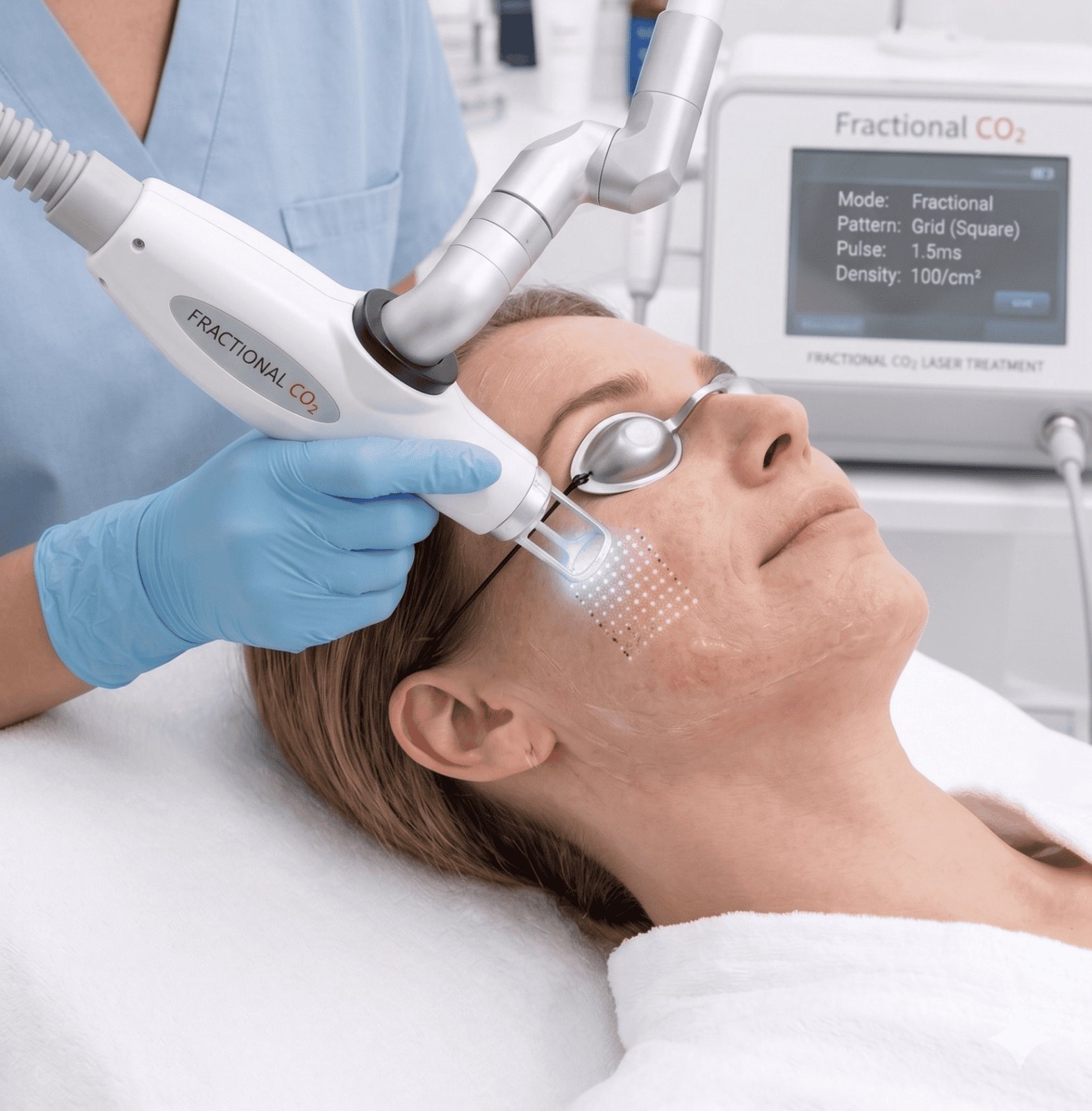
At Silk Clinics in Dubai Healthcare City, every pigmentation plan starts with a doctor-led skin diagnosis (Wood's lamp examination, medication and hormonal review) before a single laser is fired. Depending on the diagnosis, treatment layers Q-switched laser toning, Cosmelan or mandelic peels, prescription topicals (hydroquinone, tranexamic acid, retinoids) and — for stubborn cases — fractional CO2 laser or Scarlet S RF microneedling.
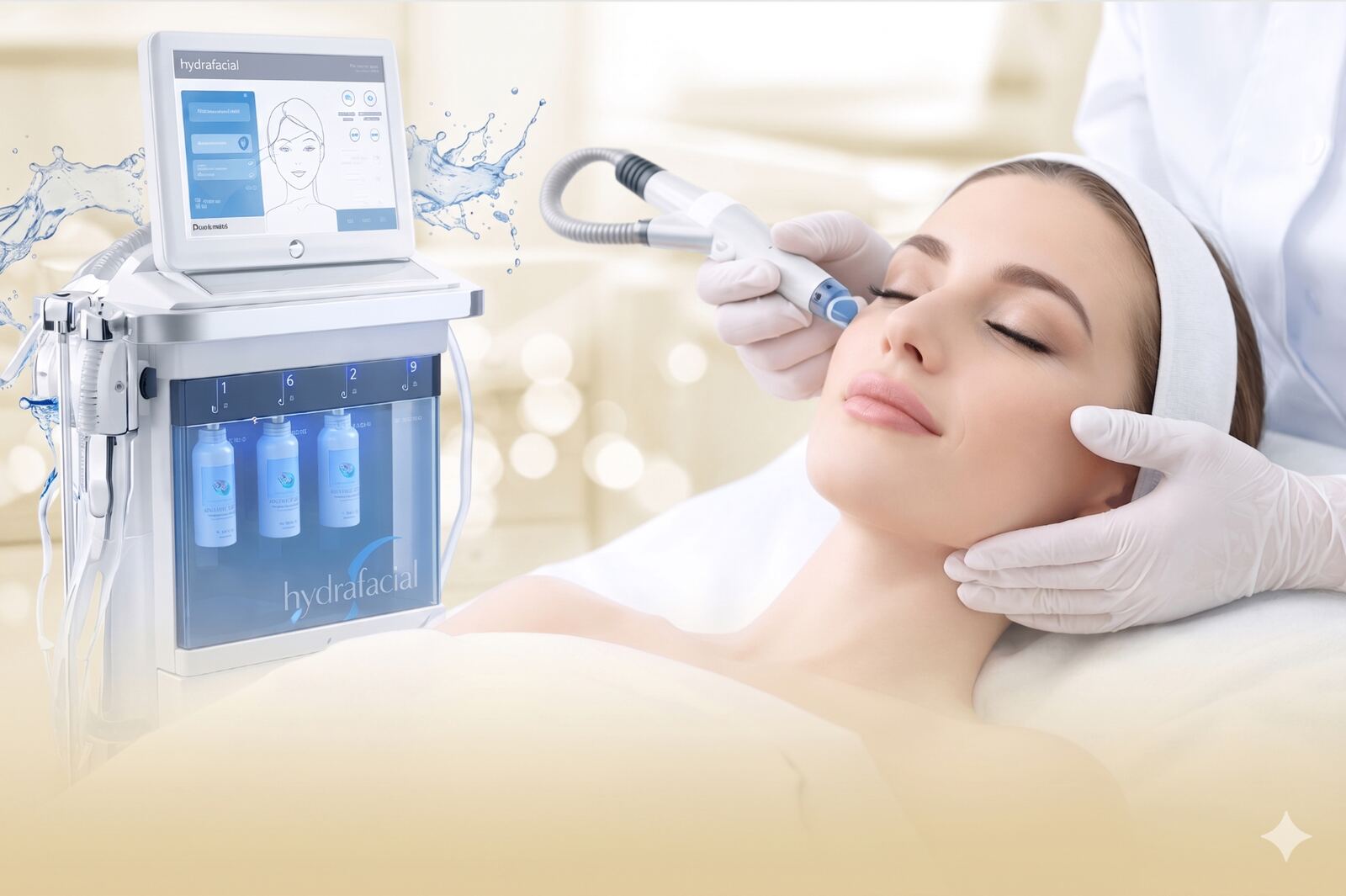
For patients who want the fastest visible fade, we combine in-clinic pigmentation therapy with glutathione + vitamin C IV therapy for antioxidant support, Hydrafacial for barrier and glow maintenance, and exosome therapy or PRP facial for post-inflammatory repair after resurfacing.
Types of pigmentation we treat
Melasma — hormonally-driven, symmetrical patches on cheeks, forehead and upper lip. Requires the most careful protocol because it can rebound with the wrong laser or heat exposure. We favour Cosmelan, low-fluence Q-switched laser toning and prescription topicals over aggressive resurfacing.
Sun damage & age spots (solar lentigines) — well-defined brown spots from cumulative UV. Q-switched laser and superficial peels typically clear these efficiently, with maintenance driven by SPF discipline.
Post-inflammatory hyperpigmentation (PIH) — dark marks left after acne, folliculitis or eczema. Treated by resolving the underlying inflammation first, then mandelic or salicylic peels and, where needed, mild Q-switched toning.
Freckles & mixed pigmentation — often genetic and UV-amplified. Q-switched laser and Cosmelan work well; long-term maintenance depends on SPF.
Related reading
- Pigment-prone skin needs tone-specific settings, explained in our skin type and skin tone treatment guide.
- Year-round UV in the UAE makes aftercare critical — see our summer sun-protection guide for Dubai.
Expected results
Results from Pigmentation Treatment vary between patients. Your doctor at Silk Clinics Dubai discusses the realistic outcome you can expect — based on your skin type, anatomy and treatment history — at consultation. Depends on protocol — Q-switched laser 24–48h, Cosmelan peel 5–7 days of controlled peeling.
Recovery timeline
- ImmediatelyRedness and mild warmth at the treated area, similar to mild sunburn.
- Day 1–3Avoid sun exposure, hot showers, sauna and exfoliants. Use SPF 50 daily.
- Day 5–10Skin returns to its baseline; progressive results become visible.
- Week 4+Clinical review and next session planned per protocol.
A course of sessions is usually recommended, spaced 4–8 weeks apart, with maintenance sessions afterwards as advised by your doctor.
A course of multiple sessions, spaced as advised by your doctor, is usually required to reach the planned outcome.
Suitable candidate
- Adults seeking pigmentation treatment for melasma, sun damage and age spots, post-inflammatory hyperpigmentation (pih)
- Patients in good general health with realistic expectations
- Patients who can attend a doctor-led consultation before treatment
Not suitable for
- Pregnancy or breastfeeding
- Active skin infection or open wound in the treatment area
- Recent sunburn or active dermatitis
- Known allergy to any product used during the treatment
- Certain medical conditions or medications — disclosed at consultation
Risks & side effects
Every medical procedure carries some risk. We discuss these fully at consultation so you can decide with confidence.
- Temporary redness, mild swelling or tenderness at the treatment area
- Small bruising in some patients, usually resolving within a few days
- Rare allergic reaction to topical products used during treatment
- Results vary between patients and depend on skin type, age and overall health
What Silk Clinics doctors commonly recommend for pigmentation
Every pigmentation plan starts with correct diagnosis under Wood's lamp — melasma, sun damage, PIH and mixed pigmentation each need a different approach. Our doctors also review hormonal factors, medications and recent UV exposure before selecting a protocol, because the wrong sequence can worsen melasma in darker skin.
For melasma we prefer Cosmelan or mandelic peels paired with prescription topicals (tranexamic acid, hydroquinone under supervision) and low-fluence Q-switched laser toning. For sun damage and freckles, Q-switched laser typically resolves in 2–4 sessions. For PIH from acne, we treat the underlying acne first with Hydrafacial and salicylic peels, then fade residual marks.
As adjuncts we often layer glutathione + vitamin C IV for antioxidant support, Scarlet S RF or fractional CO2 for texture in the same plan, and skin boosters or PRP facial for barrier and post-inflammatory repair. Long-term, strict SPF 50+ discipline is the single biggest factor in maintenance — without it, every plan regresses.