🔬 Your condition
Acne Scars Treatment in Dubai
Acne scars don't have to be permanent. At Silk Clinics in Dubai Healthcare City, our doctors combine advanced resurfacing technologies and regenerative therapies to smooth, soften and rebuild scarred skin — safely and effectively.
Understanding acne scars
Acne scars form when inflamed breakouts damage the deeper layers of the skin. Box scars, ice-pick scars and rolling scars each respond to different treatment approaches. Our doctors assess your scar type, skin tone and severity to design a customised multi-modal plan that delivers real, lasting improvement.
If you still have active spots, our dermatologist in Dubai Healthcare City can help bring them under control before scar treatment begins.
Personalized Skin Plan
Not sure if acne scars is right for you?
Answer 9 quick questions and get a doctor-designed pathway — with realistic timelines, downtime and session counts for your skin.
Doctor-recommended
Best treatments for acne scars in Dubai
Our doctors may recommend one or a combination of the following treatments, tailored to your specific case.
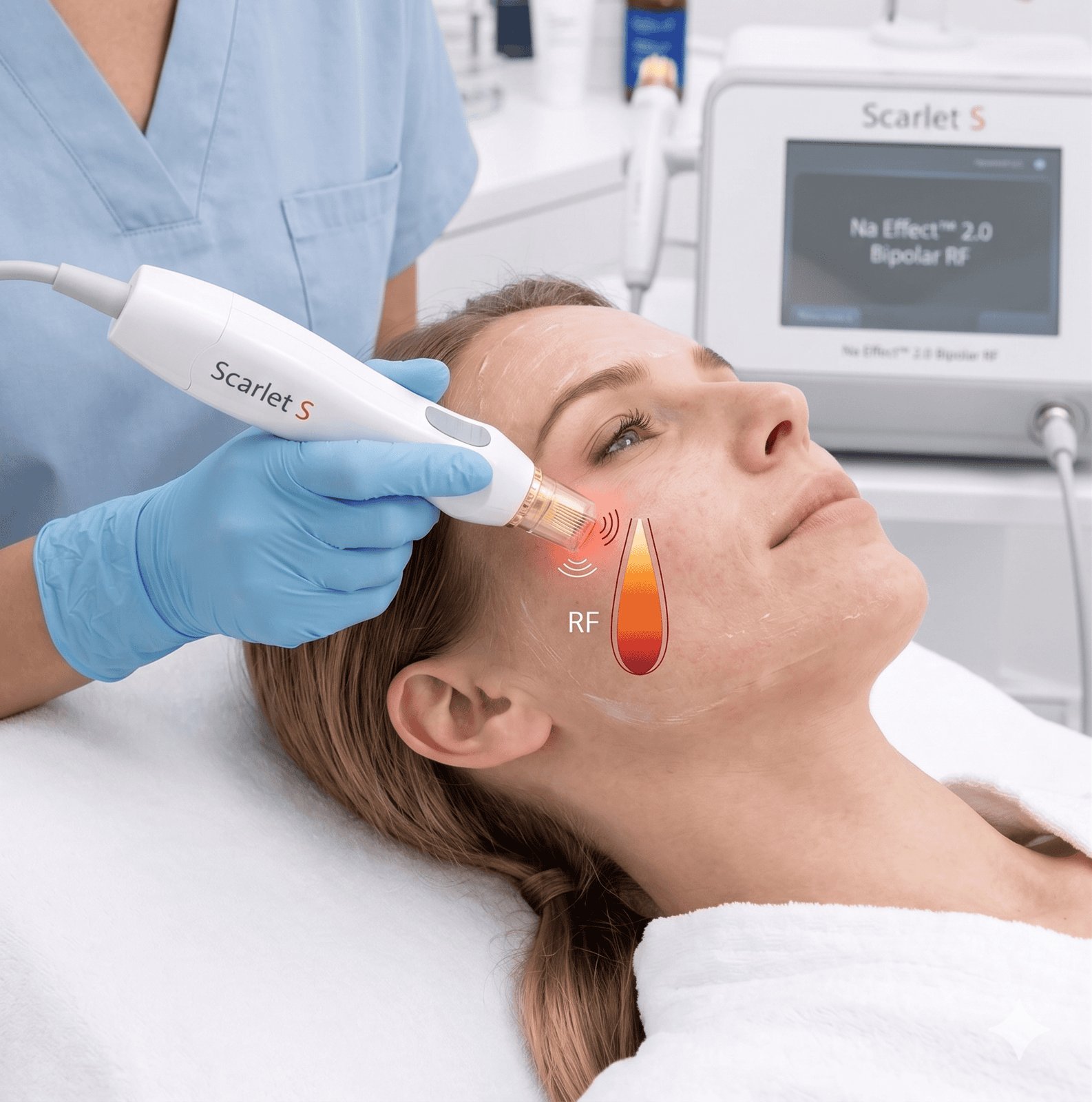
Skin
Skin LongevityScarlet S Microneedling RF in Dubai
Scarlet S microneedling RF in Dubai at Silk Clinics is a doctor-led skin remodelling treatment that combines fine gold-coated microneedles with short-pulse radiofrequency energy to tighten skin, smooth acne scars and refine pores.
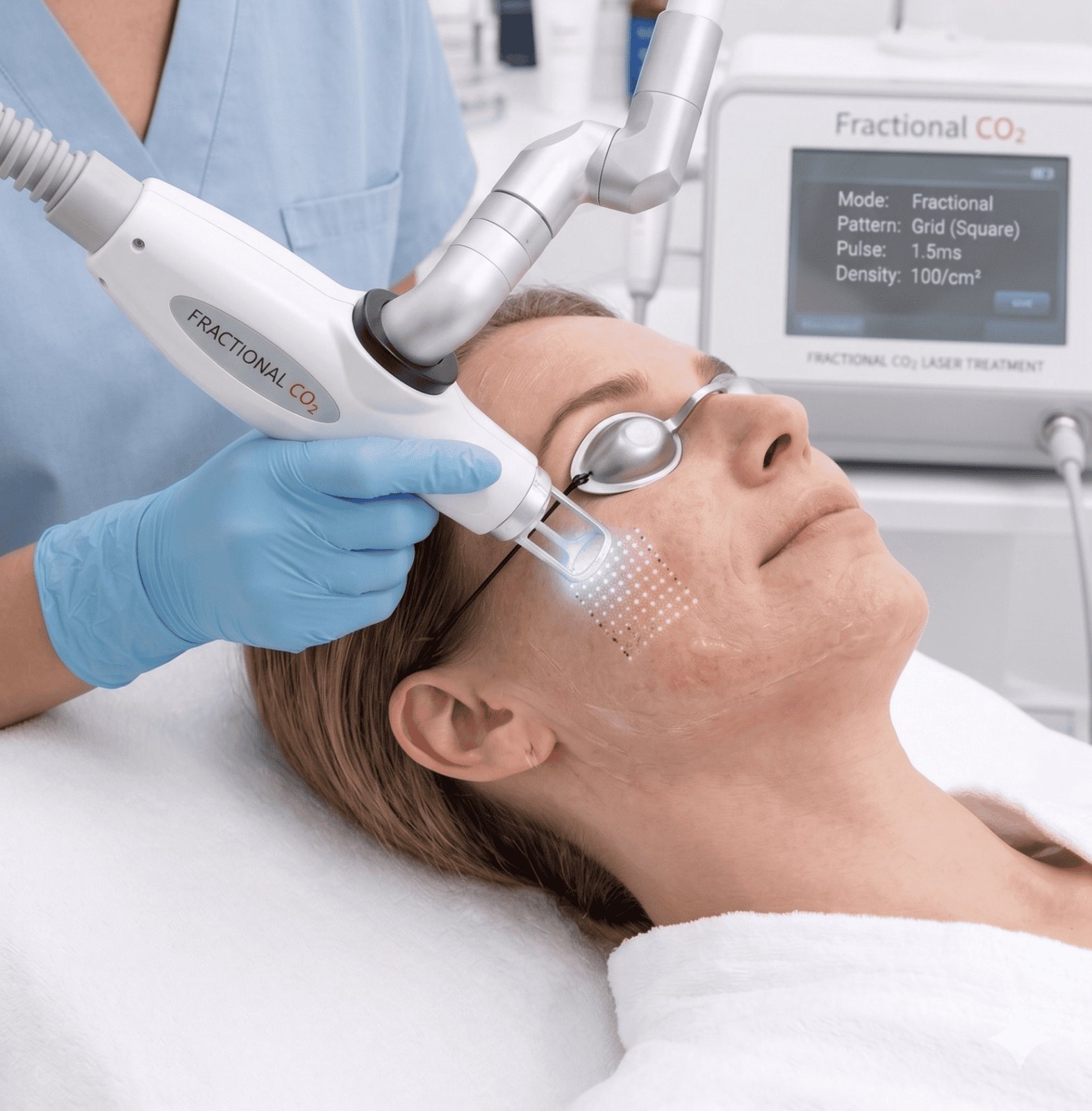
Laser
Skin LongevityCO2 Laser in Dubai
CO2 laser in Dubai is a powerful resurfacing treatment that addresses deep texture concerns, scars and aging skin with transformative results.
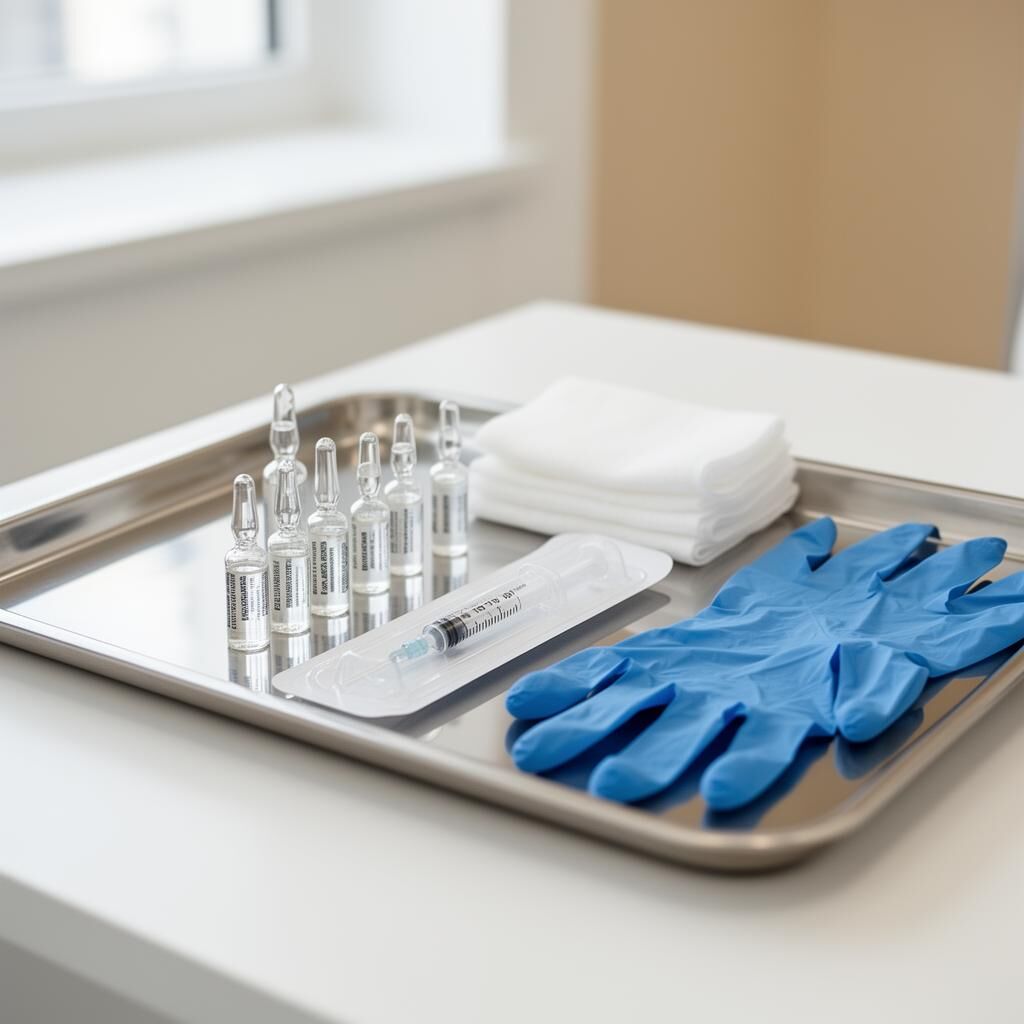
Skin
Subcision with PRP in Dubai
Subcision with PRP in Dubai at Silk Clinics is a doctor-performed scar-release procedure that targets the fibrous bands tethering rolling acne scars from beneath, then layers in platelet-rich plasma to support dermal remodelling and volume.
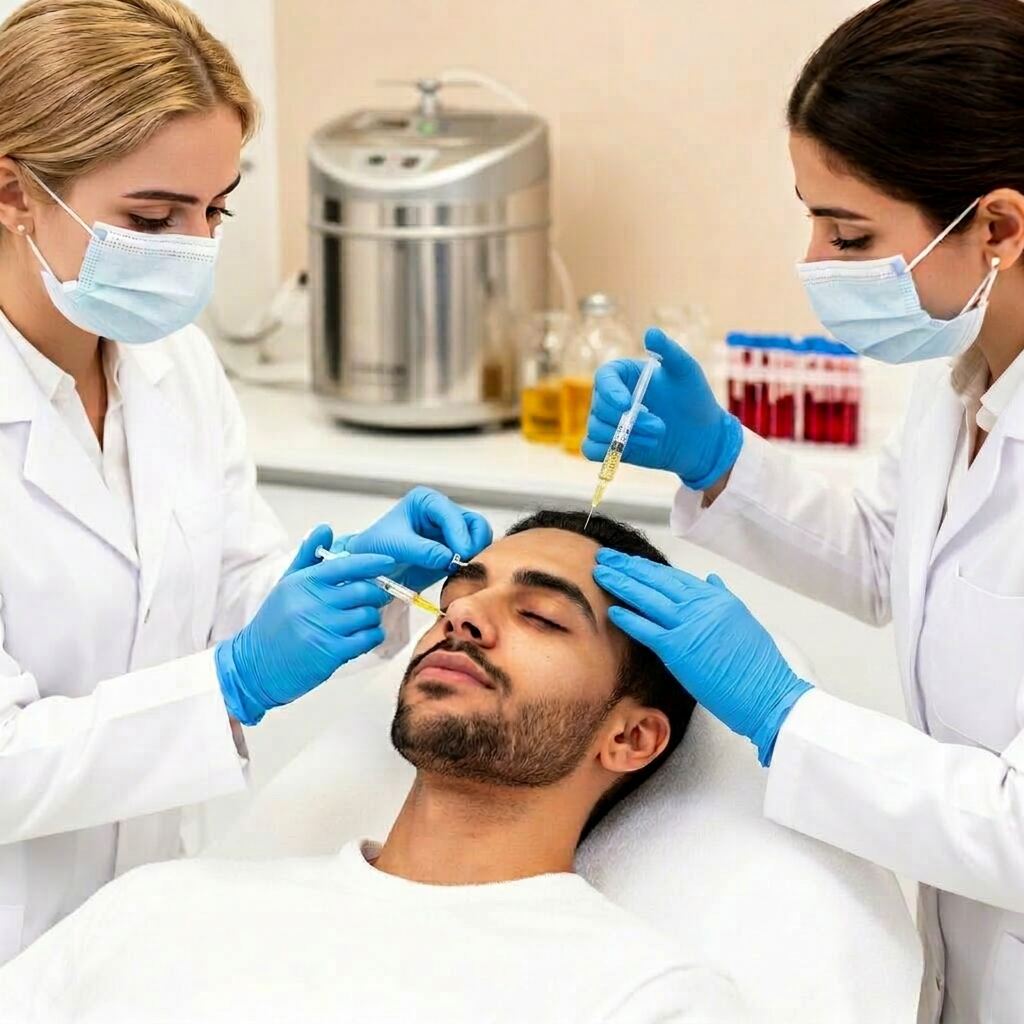
Skin
Longevity ProgramPRP / PRF Face in Dubai
PRP and PRF facial treatments in Dubai harness your own platelet-rich plasma and fibrin to stimulate collagen, repair skin and restore a natural, healthy glow.
Skin
Longevity ProgramExosome Therapy in Dubai
Exosome therapy in Dubai is one of the most advanced regenerative skin treatments available — delivering powerful cell-signalling messengers to rejuvenate skin and scalp.
Skin
Skin LongevityChemical Peels in Dubai
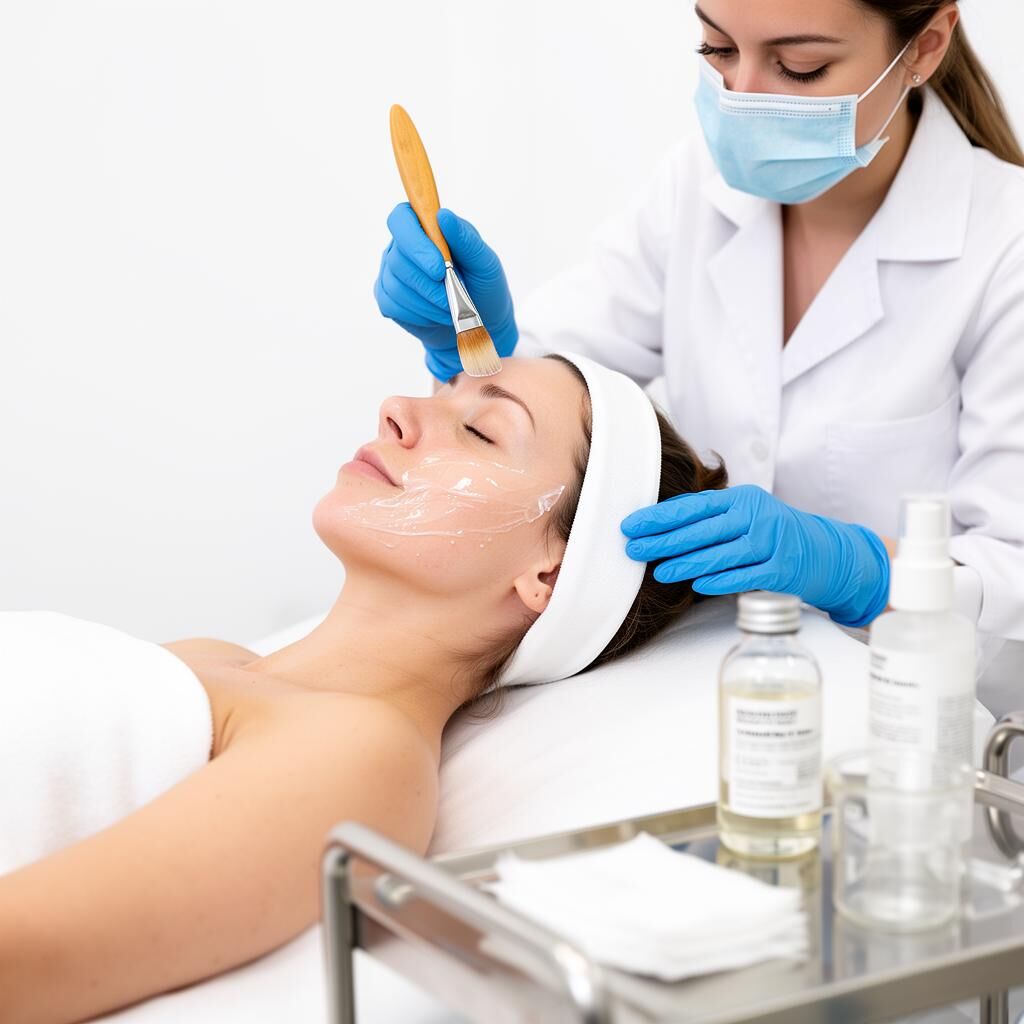
Chemical peels in Dubai at Silk Clinics are doctor-led, medical-grade exfoliation treatments tailored to your skin type and concern — from gentle mandelic and salicylic peels for sensitive or acne-prone skin, to Cosmelan and TCA for stubborn pigmentation and photoaging.
Skin
Skin LongevityHydrafacial in Dubai
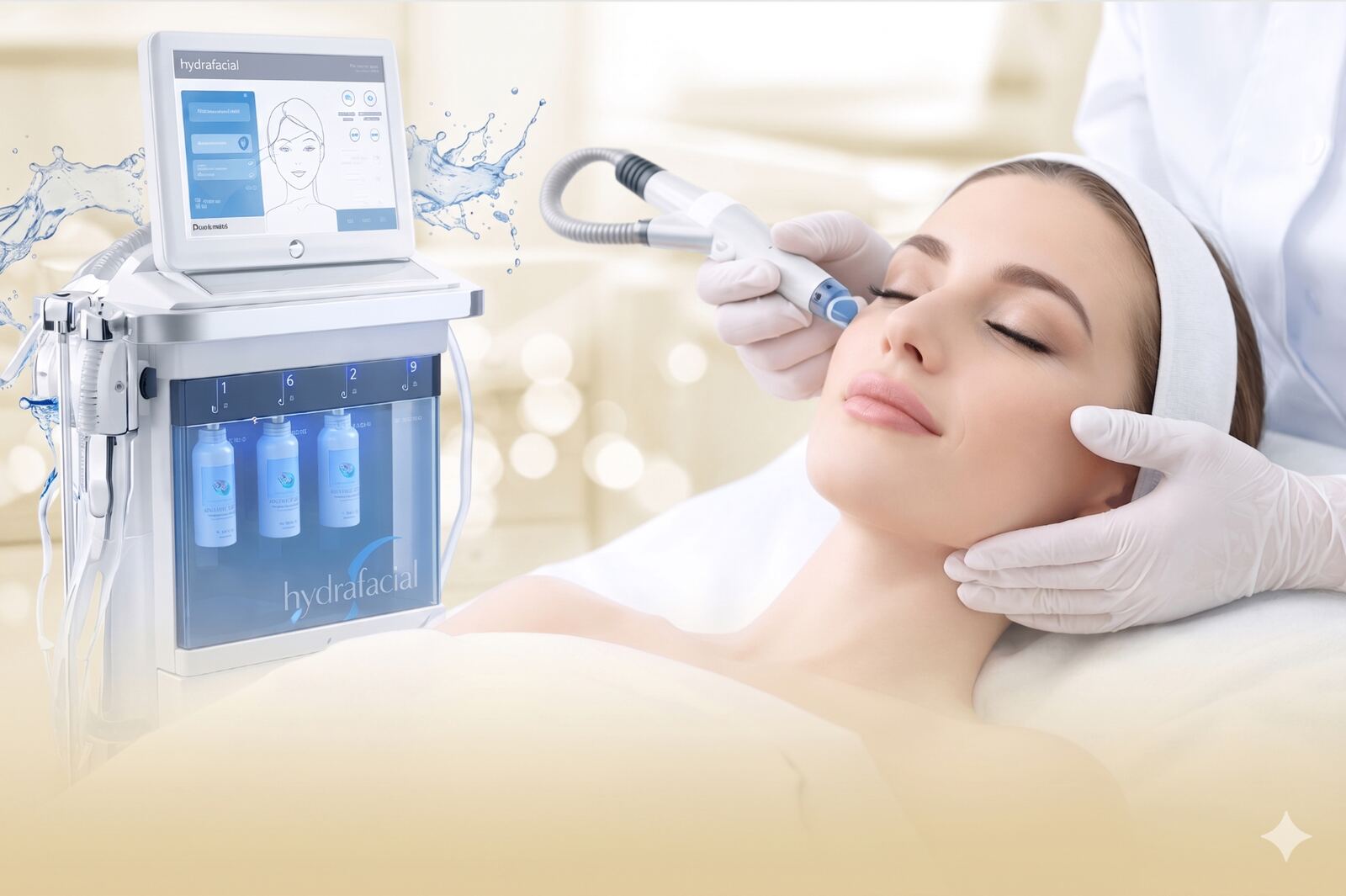
Hydrafacial in Dubai at Silk Clinics is a multi-step medical-grade facial that cleanses, exfoliates, extracts impurities and infuses powerful serums for instant glow with zero downtime.
Educational guide
What you should know about acne scars
Acne scarring is the visible aftermath of inflammatory acne lesions that disrupted the deeper dermal layer. When the skin's wound-healing response is overwhelmed — by repeated breakouts, picking, or untreated cystic acne — collagen is laid down unevenly. Some patients lose tissue (atrophic scars: ice-pick, boxcar, rolling), while others over-produce it (hypertrophic and keloid scars). In Dubai's high-UV, high-humidity environment, post-inflammatory hyperpigmentation often layers on top of true scars, making the texture look worse than it is. A medical assessment separates pigment from depression and tailors treatment accordingly.
What causes this condition
Common causes & contributing factors
What causes this condition
Common causes & contributing factorsSeveral overlapping factors determine whether acne resolves cleanly or leaves long-term scarring:
- Untreated or under-treated inflammatory acne (cystic, nodular)
- Picking, squeezing, or aggressive at-home extraction
- Genetic predisposition to abnormal collagen healing
- Repeated breakouts in the same area damaging the dermal layer
- Hormonal acne extending over months or years
- Post-inflammatory hyperpigmentation in darker skin tones (Fitzpatrick III–VI)
- Delayed access to dermatological care during adolescence
Doctor-recommended protocols
How we treat acne scars at Silk Clinics
Each option below is explained in the context of acne scars. Click through to read the full treatment page, including pricing, sessions, downtime and outcomes.
Scarlet S microneedling RF
Resurfaces the dermis and stimulates collagen remodelling for atrophic scars without damaging surface pigment — safe for darker skin tones.
CO2 fractional laser
Targeted ablative resurfacing for deeper boxcar and rolling scars; reserved for suitable skin types after careful screening.
PRP / PRF for face
Concentrated growth factors accelerate scar remodelling when paired with microneedling RF or laser.
Exosome therapy
Cell-signalling vesicles enhance dermal repair and reduce inflammation between resurfacing sessions.
Medical chemical peels
Address the pigment component of scarring and refine superficial texture irregularities.
How treatment is personalised
No two scar patterns respond to the same plan. Our doctors map each scar by type (ice-pick, boxcar, rolling, hypertrophic), assess Fitzpatrick skin type, evaluate active acne control, factor in downtime tolerance, and weigh whether pigment or depression is the dominant issue. A patient with mostly rolling scars and Fitzpatrick V skin will follow a different sequence than someone with deep ice-pick scars on Fitzpatrick II skin. A series of sessions may be recommended, but the number and interval depend on scar type, skin type, treatment selected and clinical assessment. Regenerative add-ons may be used to support healing.
Doctor-led, evidence-aware care
Acne scar treatment is a medical procedure that requires correct device selection, energy settings, and post-care to avoid worsening pigmentation or creating new scarring. Every plan at Silk Clinics begins with a doctor-led consultation, photographic baseline, and a written protocol. Active acne is brought under control before resurfacing begins — treating scars over inflamed skin is one of the most common causes of disappointing results.
Combination therapy
Treatments commonly combined
Combination therapy
Treatments commonly combinedAcne scarring rarely responds to a single modality. Combining Scarlet S microneedling RF with PRP or exosome therapy in the same session shortens recovery and improves collagen response. Medical peels are layered between resurfacing sessions to manage pigment, and skin boosters may follow once texture is restored to enhance hydration and overall skin quality.
Related conditions to explore
Acne Scars often appears alongside other concerns. Reviewing related pages can help you understand the full picture before consultation.
Frequently asked questions
What is the best treatment for acne scars in Dubai?
How many sessions do acne scars need?
Can dark skin tones safely treat acne scars?
View more frequently asked questions (4)
Can acne scars be removed completely?
Should I treat active acne before scarring?
Is microneedling RF or CO2 laser better for scars?
How long does each acne scar session take?
Not sure which treatment is right for you?
Book a consultation with our medical team. We'll assess your concern, explain your options and build a personalised treatment plan — no obligation.