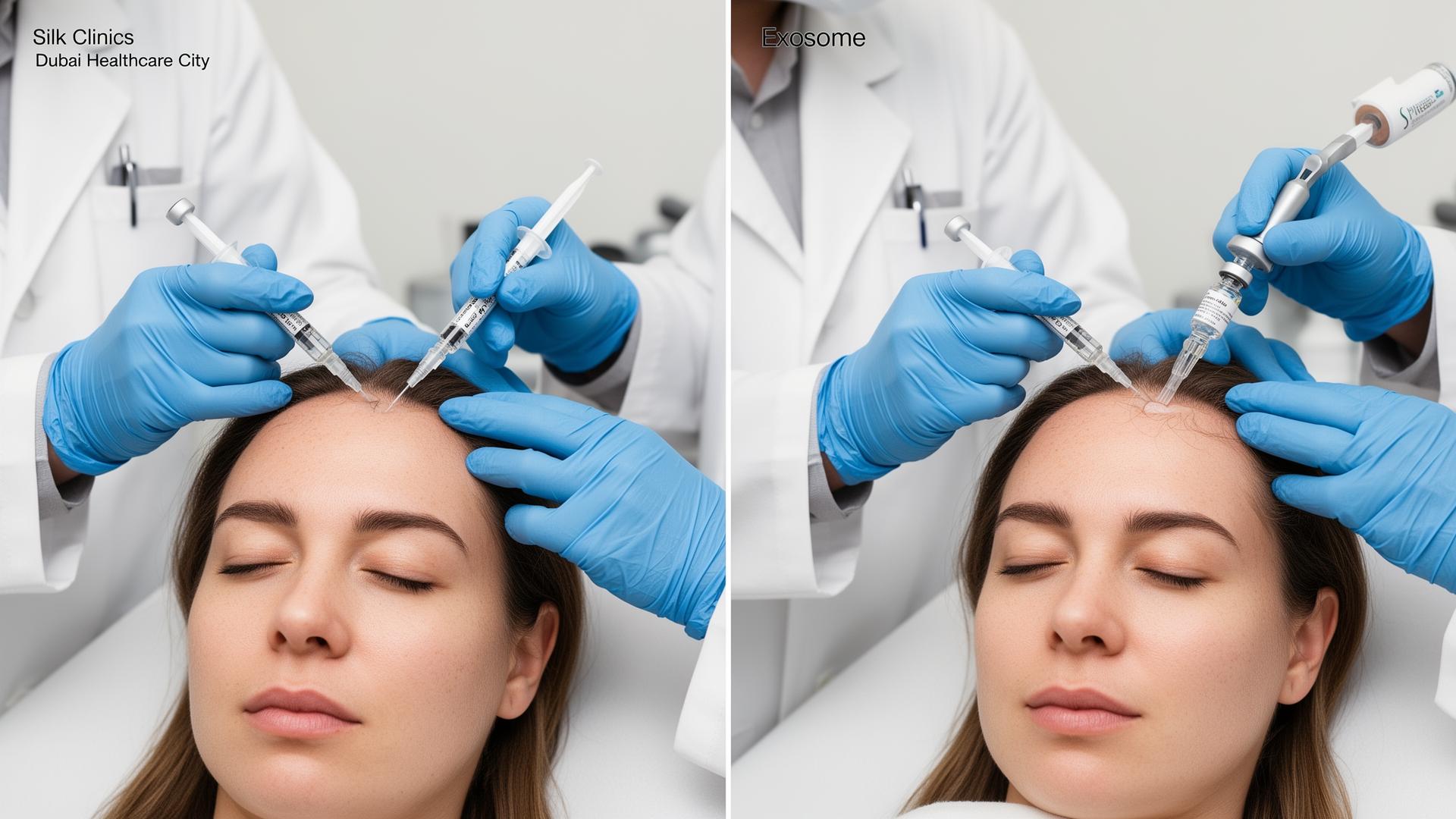
Hair loss is one of the most emotionally distressing changes a patient can face — and one of the most misunderstood. When people ask 'can alopecia be treated with PRP and PRF?', they are often really asking two questions at once: is my type of hair loss reversible, and are regenerative injections a legitimate medical option or a marketing story. This guide answers both, honestly and in clinical detail, based on how we actually plan and deliver PRP / PRF hair treatment at Silk Clinics in Dubai Healthcare City.
Alopecia is an umbrella term, not a diagnosis. Under it sit several very different conditions — pattern hair loss (androgenetic alopecia), autoimmune patchy hair loss (alopecia areata), stress- or nutrition-driven diffuse shedding (telogen effluvium), traction alopecia from tight styling, and scarring alopecias such as frontal fibrosing alopecia and lichen planopilaris. Each has a different underlying mechanism, a different natural history, and a different likelihood of responding to platelet-based regenerative therapy. Bundling them all under the word 'alopecia' is one of the reasons patients come to us frustrated after treatments elsewhere: the treatment was reasonable in principle, but the diagnosis was never properly clarified.
Table of contents
- What PRP and PRF actually are
- How they work at the follicle
- The types of alopecia most likely to respond
- Types where response is limited or inappropriate
- What the current evidence supports
- Our clinical protocol at Silk Clinics
- Realistic timeline: 3, 6 and 12 months
- Combining PRP/PRF with exosomes, growth factors and nutrition
- Safety, side effects and who should defer treatment
- Doctor-reviewed FAQ
What PRP and PRF actually are
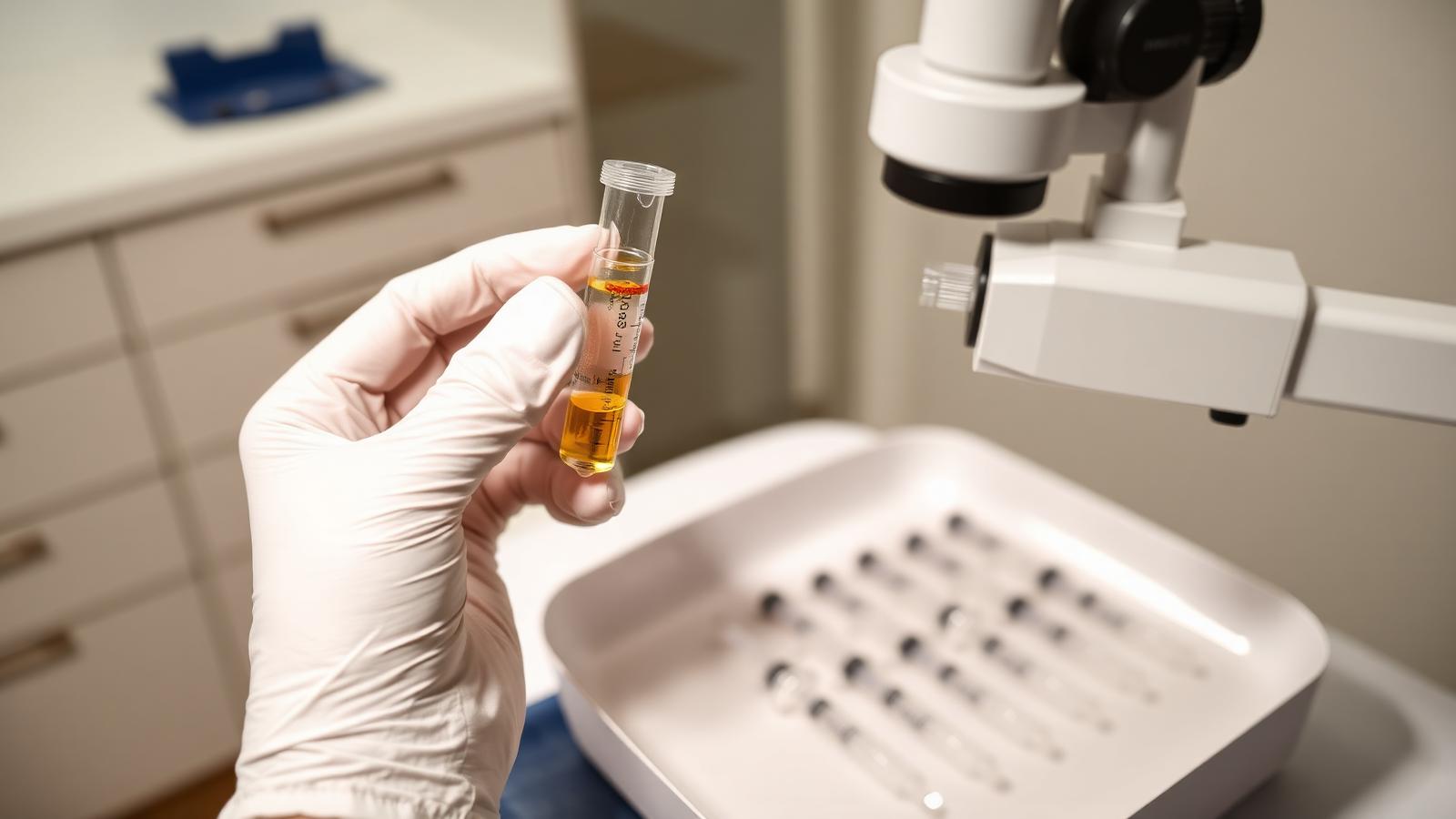
PRP — Platelet-Rich Plasma — is prepared by drawing a small volume of the patient's own blood, spinning it in a medical centrifuge, and separating the platelet-rich fraction from red cells and plasma. Platelets are the body's first responders in wound healing: they release growth factors including PDGF, VEGF, TGF-β, EGF and IGF-1 that signal surrounding tissue to repair, remodel and regenerate. When that concentrated platelet fraction is injected into the scalp at the level of the follicles, those same signalling molecules are delivered directly to the tissue we want to influence.
PRF — Platelet-Rich Fibrin — is the next-generation preparation. It uses a lower centrifugation speed and no anticoagulant, which allows a soft fibrin matrix to form. That matrix is what makes PRF clinically different: instead of releasing its growth factors in a single burst over hours, PRF releases them slowly over days as the fibrin gradually dissolves. PRF also retains a higher concentration of white cells and, importantly, circulating stem cells. In our experience, PRF tends to give a more sustained biological signal, which is why we default to PRF for most hair-restoration protocols and reserve pure PRP for specific indications.
Neither PRP nor PRF is a drug. They are autologous — derived from the patient's own blood — which is why they have such a favourable safety profile when prepared and injected under proper medical conditions.
How PRP and PRF work at the hair follicle
Hair follicles are miniature organs that cycle continuously between growth (anagen), transition (catagen) and rest (telogen). In pattern hair loss, follicles progressively miniaturise: each successive anagen phase is shorter, the hair shaft that emerges is finer and shorter, and eventually the follicle may stop producing a visible hair altogether. The follicle is still there — it has become miniaturised, not destroyed. Reawakening those miniaturised follicles is the biological target of regenerative hair treatment.
The growth factors delivered by PRP and PRF appear to act on the dermal papilla — the follicle's control centre — in several ways that current evidence supports: extending the anagen (growth) phase, thickening the hair shaft, improving vascular supply around the follicle, and modulating local inflammation. Evidence suggests these mechanisms help maintain existing hairs, encourage weak follicles back into a productive growth phase, and support a healthier scalp environment overall. Response is not guaranteed for every patient and every hair loss type, and no injectable can revive a follicle that has been fully scarred over — but for the right patient, the biological rationale is sound and the clinical experience is consistent with it.
Types of alopecia most likely to respond
Early to moderate androgenetic alopecia (pattern hair loss). This is the strongest indication for PRP and PRF. In men, it typically presents as recession at the temples and thinning at the crown; in women, as diffuse thinning across the top of the scalp with a widening centre parting. When follicles are miniaturised but not lost, and treatment is started early, PRP/PRF frequently supports thicker, denser regrowth over a structured course.
Telogen effluvium (diffuse shedding). Often triggered by illness, significant stress, rapid weight loss, iron or vitamin D deficiency, thyroid disturbance, or pregnancy. The primary treatment is to identify and address the trigger — regenerative injections are an adjunct, not a substitute for correcting the underlying cause. In practice we frequently combine PRF with IV vitamin therapy and comprehensive nutritional workup when a systemic driver is suspected.
Traction alopecia — caught early. Hair loss from prolonged tight styling (extensions, tight ponytails, tight braids) can respond well to PRP/PRF if the styling behaviour is changed and treatment starts before scarring has developed. Late-stage traction alopecia with visible scarring at the frontal hairline is a different clinical picture and responds less predictably.
Alopecia areata — selected patch cases. Some patch alopecia areata cases benefit from PRP/PRF, often in combination with dermatology-directed therapy. This is an autoimmune condition and we coordinate closely with dermatology before injecting; we do not treat active, rapidly extending or widespread disease with PRP/PRF as a stand-alone therapy.
Post-transplant support. Patients who have undergone hair transplantation often benefit from PRP or PRF in the healing phase to support graft survival and encourage a healthier surrounding follicle environment.
Where PRP and PRF have limited or no role
It is just as important to be honest about where regenerative injections do not help.
- Fully scarred alopecia. In scarring alopecias — frontal fibrosing alopecia, lichen planopilaris, discoid lupus, advanced traction — the follicle itself has been destroyed and replaced by scar tissue. PRP and PRF cannot regenerate a follicle that no longer exists.
- Advanced pattern hair loss with completely bald zones. In areas that have been slick-bald for years, no injectable will regrow hair. For those patients the honest conversation is about hair transplantation, not PRP.
- Active, spreading autoimmune disease. Uncontrolled alopecia areata universalis, active lupus scalp disease, active lichen planopilaris — these need dermatology-led medical management first.
- Untreated systemic drivers. Injecting the scalp while a severe iron deficiency, thyroid disorder or nutritional issue is uncorrected is treating downstream and ignoring upstream. We identify and address these first.
What the current evidence supports
Before starting any regenerative plan we screen for the medical drivers set out in our guide to medical conditions affecting skin and hair. The evidence base for PRP in androgenetic alopecia has matured significantly. Systematic reviews and meta-analyses published in dermatology journals have consistently reported that PRP is associated with statistically meaningful improvements in hair density and shaft thickness in androgenetic alopecia patients compared to control, particularly when a structured induction course is followed. Evidence for PRF is more recent but broadly consistent, with some clinicians reporting a longer functional response due to the slow-release fibrin matrix. Evidence for alopecia areata is more mixed and is generally viewed as an adjunct to established dermatology treatment. This is a real medical intervention with a legitimate evidence base — not a wellness fad — but it is not a cure and it is not universally effective.
Our clinical protocol at Silk Clinics
Consultation and diagnosis first. Before any injection, we take a full medical and hair history, examine the scalp with dermoscopy where useful, and screen bloods when the picture suggests a systemic driver — full blood count, ferritin, vitamin D, B12, thyroid function, and hormones where relevant. If the diagnosis is scarring alopecia or active autoimmune disease, we say so and we redirect the plan rather than push injections.
Induction course. For androgenetic alopecia, our default course is 3–4 sessions spaced 4–6 weeks apart, followed by reassessment. This mirrors published protocols and is what the evidence base is built on. Compressed protocols advertised as 'one session and you're done' are, in our view, poor medicine.
Maintenance. Once a response is established, we typically move to maintenance sessions every 4–6 months. Skipping maintenance is one of the most common reasons patients report that their result faded.
Preparation matters. Not all PRP is the same. Centrifuge speed, tube system, injection depth, injection volume and injection pattern all influence outcome. Sessions are delivered by a doctor, using validated closed-system tubes, with a mesotherapy technique that distributes product evenly through the scalp at the correct dermal depth.
Aftercare. Patients are advised to avoid vigorous scalp washing for the first 12 hours, avoid saunas, steam rooms and heavy exercise for 24 hours, and continue any topical or systemic therapies unless specifically instructed otherwise.
What to realistically expect at 3, 6 and 12 months
One of the most important parts of an honest consultation is setting realistic timelines. Hair grows slowly, and biology cannot be rushed by marketing.
Weeks 1–4. Some patients notice a small paradoxical increase in shedding as follicles reset into a new growth cycle. This is expected and is not a sign of failure.
Month 3. The first objective changes typically start to appear — reduced daily shedding, less hair on the pillow and in the shower, and a subtle change in scalp density on comparison photographs.
Month 6. Clearer improvement in density and shaft thickness for responders. This is the point at which most patients feel a visible difference in the mirror rather than just on standardised photographs.
Month 9–12. The result matures. Maintenance sessions are typically well underway, and the long-term trajectory is easier to judge.
Results are graded on standardised photographs taken under the same lighting and framing at each visit. Selfies in the bathroom mirror are not a reliable way to judge hair density — the eye adapts too quickly to gradual change.
Combining PRF with exosomes, growth factors and nutrition
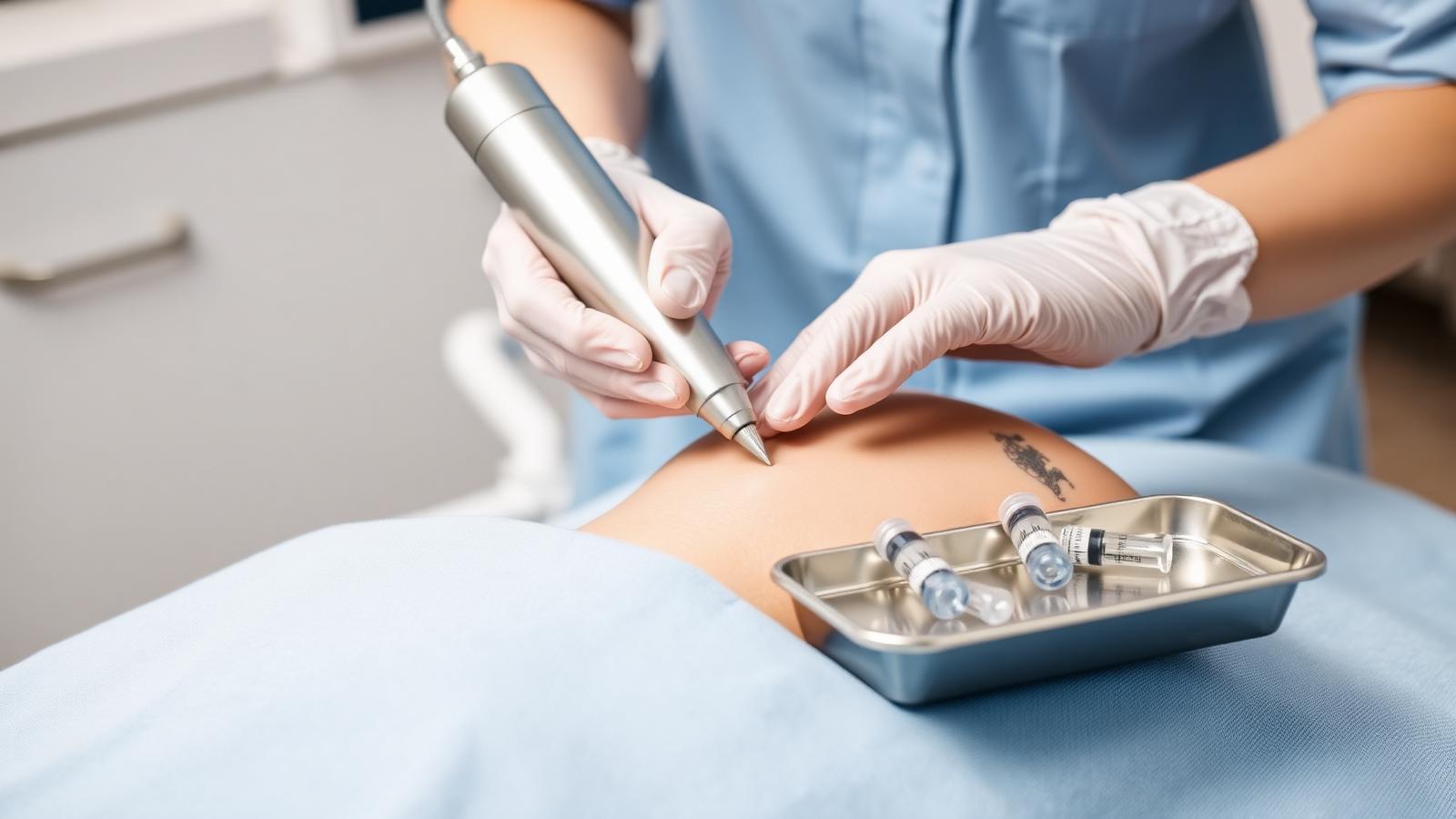
For most patients, PRP or PRF as a monotherapy is a reasonable starting plan. For more advanced cases, or for patients who want the strongest possible protocol, we combine modalities: hair exosomes delivered through the same mesotherapy technique, targeted growth factor hair treatments, scalp mesotherapy with biotin and micronutrients, and systemic IV vitamin therapy where blood work shows a nutritional gap. This combination approach is decided at consultation, not sold as a package.
Where clinically appropriate, and always as part of a dermatology-informed plan, we may also discuss adjuncts such as topical minoxidil or oral therapies — these are prescription decisions made after appropriate assessment, not marketing add-ons.
Safety, side effects and who should defer
PRP and PRF have a very favourable safety profile because they are autologous — the product being injected is derived from the patient's own blood. Common effects are limited to mild scalp tenderness, transient redness and, occasionally, small pinpoint bruising for a day or two. Serious complications are rare when the procedure is performed by a doctor using validated equipment and sterile technique.
Treatment is typically deferred or avoided in patients with active scalp infection or inflammatory scalp disease, bleeding disorders, active systemic infection, certain haematological conditions, and during pregnancy or breastfeeding. Patients on blood thinners require an individualised risk assessment. Any patient with symptoms suggestive of a scarring alopecia is referred for dermatological assessment before we consider regenerative injections.
When PRP and PRF are not the right answer
Sometimes the honest advice is that a different pathway is more appropriate: hair transplantation for advanced pattern hair loss with truly bald zones, dermatology-led medical treatment for active autoimmune scalp disease, endocrinology for uncontrolled thyroid or hormonal drivers, or simply lifestyle and nutritional correction before any procedural intervention. A good hair-restoration plan is a personalised sequence of the right treatments in the right order — not an escalation of the same injection month after month regardless of response.
For a wider view of what we offer in this space, our hair treatments in Dubai hub and our overview of growth factor hair treatments are useful companion reads, alongside our broader guidance on medical conditions affecting skin and hair.
Personalized Skin Plan
Not sure which treatment is right for you?
Answer 9 quick questions and get a doctor-designed pathway — with realistic timelines, downtime and session counts for your skin.
Browse the category
Explore all Hair Treatments in DubaiMedically-led hair restoration in Dubai using PRP, exosomes, growth factors and mesotherapy — clinically structured programs for thinning, shedding and early hair loss.
Treatments mentioned in this guide
Book a consultation
Considering Can Alopecia Be Treated With PRP and PRF? in Dubai?
Our DHA-licensed doctors at Dubai Healthcare City will assess your concern and build a personalised, transparent plan — no obligation, no pressure.
Frequently asked questions
Can PRP or PRF regrow hair on a completely bald area?
How many PRP or PRF sessions will I need?
When will I see results after PRP or PRF for hair loss?
View more frequently asked questions (6)
Is PRP or PRF painful?
Can PRP or PRF treat alopecia areata?
Is there any downtime after PRP or PRF hair treatment?
Can PRP or PRF be combined with exosomes or growth factors?
Are PRP and PRF safe long term?
Do I still need to correct iron, thyroid or vitamin D issues if I'm doing PRP?
About the author
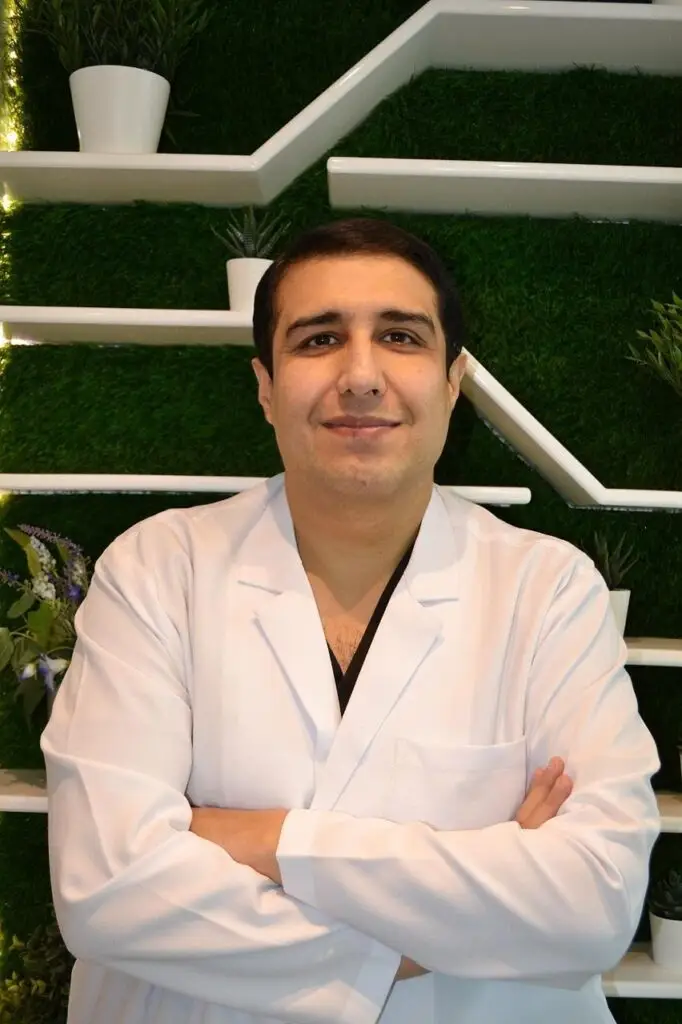
Medical Director — Aesthetic & Regenerative Medicine
Leading Silk Clinics with years of experience in aesthetic medicine, Dr Ahmad Sadeqyar oversees clinical excellence across all departments and personally treats complex aesthetic cases.
- MD — Aesthetic Medicine
- Advanced Diploma in Regenerative Therapy
- Member, IMCAS
Medically reviewed by Dr Ahmad Sadeqyar — Medical Director, Aesthetic & Regenerative Medicine.