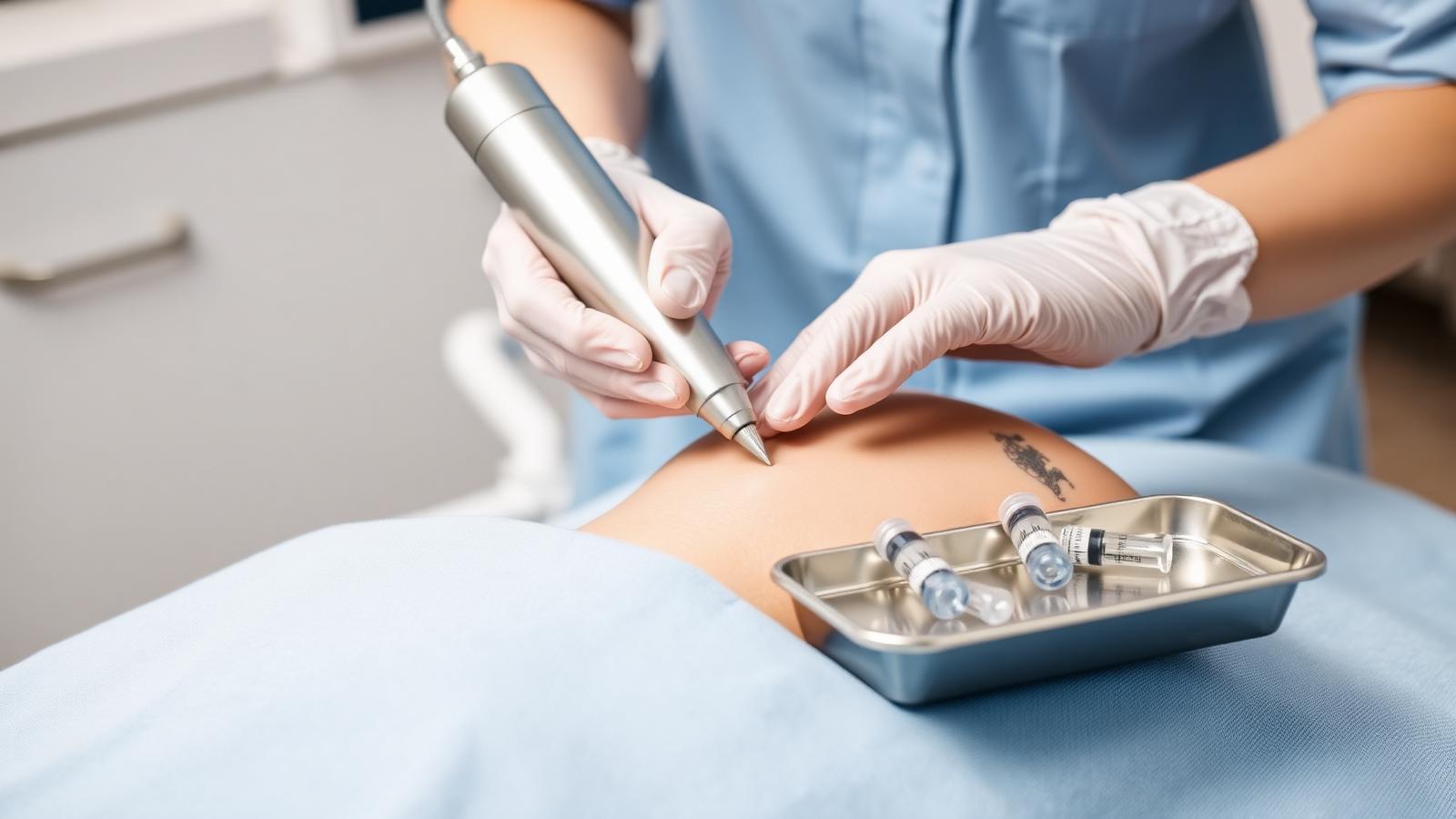
Stretch marks are one of the most common reasons patients walk into our clinic in Dubai Healthcare City — and one of the most misunderstood. Every week we sit down with women who have tried creams for years, men who developed stretch marks from a rapid muscle-gain phase, and new mothers who are frustrated that nothing over-the-counter is moving the marks on their abdomen. As doctors, the honest starting point is this: stretch marks are true scars inside the deeper layer of the skin, and no cream — no matter how expensive — can rebuild the dermis. What genuinely works is a doctor-led combination of energy-based and regenerative treatments that stimulate new collagen and remodel the scar tissue. This 2026 pillar guide is the definitive, evidence-based walk-through of stretch marks treatment in Dubai — what they actually are, red versus white striae, causes and prevention, and the specific protocols we build at Silk Clinics around Scarlet S RF microneedling, fractional CO2 laser, Dermapen with PRP and exosome therapy.
This guide is written for the Dubai patient specifically. Skin tones here span Fitzpatrick III through VI, sun exposure is year-round, humidity is high for months at a time, and expectations — quite reasonably — are premium. Everything below reflects that reality, not a generic Western dermatology textbook.
Quick Answer: The Best Stretch Marks Treatment in Dubai
The most effective stretch marks treatment in Dubai is a doctor-led combination of Scarlet S RF microneedling with PRP or exosome therapy, delivered as a course of sessions. This protocol remodels the dermal scar and stimulates new collagen, and may be suitable for a wide range of skin tones when settings are selected after an individual clinical assessment. Fractional CO2 laser is added selectively for deeper, older stretch marks on lighter skin. Full erasure is not achievable. Results vary depending on the type, age and severity of the stretch marks, the treatment selected and individual response.
In Depth: What Actually Works for Stretch Marks in Dubai
Stretch marks — medically called striae distensae — are true dermal scars, not surface pigmentation, so no topical cream can erase them. The treatments that consistently produce visible, durable improvement in Dubai are doctor-led, energy-based and regenerative. Our first-line protocol at Silk Clinics combines Scarlet S RF microneedling — bipolar radiofrequency delivered through gold-coated microneedles into the dermis — with a regenerative payload of PRP, exosomes or PDRN layered into the freshly created micro-channels. For newer red or purple stretch marks (striae rubrae), Dermapen with PRP is an excellent gentler first line. For older, deeper, textured white stretch marks (striae albae) on lighter skin, fractional CO2 laser is added selectively. A course of sessions spaced several weeks apart is usually recommended, and these protocols may be suitable across a wide range of skin tones when the right device and settings are chosen for the individual patient after clinical assessment. Results vary depending on the type, age and severity of the stretch marks, the treatment selected and individual response.
What Are Stretch Marks?
Stretch marks, medically called striae distensae, are linear scars that form inside the dermis — the deeper layer of the skin — when the skin is stretched faster than the body can lay down new collagen and elastin fibres. In simple terms: the connective tissue underneath is torn, and what you see on the surface is the healed shape of that tear. This matters because it explains why no topical product can erase them. Creams, oils and butters live on the outermost layer of the skin (the stratum corneum). Stretch marks live several millimetres below, in a layer that only medical devices can safely reach.
On darker Middle Eastern and South Asian skin — which represents the majority of patients we see in Dubai — stretch marks often present as darker brown, purple or hyperpigmented lines because melanocytes concentrate around the scar. On lighter skin they tend to appear pink, red or eventually silvery-white. In either case, the underlying dermal architecture is disrupted in the same way. That shared biology is the reason the same core treatment principles — controlled micro-injury plus regenerative signalling — work across skin tones, provided the right device is chosen.
The most commonly affected body areas we treat are the abdomen (particularly after pregnancy), breasts, hips, outer and inner thighs, buttocks, lower back and the shoulders and upper arms in men who have gone through fast muscle-gain phases. Stretch marks also appear on the knees in adolescents during rapid growth. Every area responds — but the treatment plan is tuned to skin thickness, mobility and how the area moves with daily activity.
Red vs White Stretch Marks — Why It Matters
The single most important distinction our doctors make at the first consultation is whether the stretch marks are in the red or white phase. This changes the treatment plan more than any other factor.
Red or purple stretch marks (striae rubrae) are the newer phase, typically less than 12–18 months old. They look pink, red, purple or violet because the dermis around the scar is still inflamed and richly vascularised. Biologically, red stretch marks are still active — the tissue is remodelling, the local immune response is engaged and collagen synthesis machinery is switched on. Clinically, this is excellent news: the same treatments work faster and with fewer sessions because we are working with an active biological process rather than trying to restart a dormant one. Colour normalisation is often the first visible change, sometimes as early as sessions 2 or 3.
White or silvery stretch marks (striae albae) are the mature phase, typically older than 12–18 months. They look white, silvery or pearlescent because the local blood vessels have regressed, the inflammation has settled and the scar tissue is now biologically quiet. This is why patients with older stretch marks often report that creams and mild treatments do nothing — the tissue is no longer responding to gentle signals. White stretch marks absolutely can be improved, but the treatment plan needs to be more assertive, more layered and more patient. A full course of Scarlet S RF microneedling with PRP or exosomes, sometimes escalated to fractional CO2 laser on lighter skin, is where meaningful change happens.
Recommended image placement: a clinical diagram here showing the difference between striae rubrae and striae albae at the histological level — dermal collagen disruption, vascular density and melanocyte behaviour — significantly improves reader understanding and dwell time.
What Causes Stretch Marks?
There is no single cause of stretch marks — there is a combination of mechanical stretch and hormonal signalling that overwhelms the skin's ability to lay down collagen and elastin fast enough. Understanding this matters because it explains why some people develop stretch marks easily and others never do, and why targeted regenerative treatments work.
Pregnancy. By far the most common cause we see in our female patients in Dubai. The combination of rapid abdominal expansion, elevated cortisol, and the hormonal shifts of pregnancy weakens the dermal collagen framework at exactly the point when the skin is being stretched most. Stretch marks typically appear in the second and third trimesters on the abdomen, breasts, hips and thighs.
Puberty and growth spurts. Adolescents can develop stretch marks on the outer thighs, hips, breasts, knees and lower back when the skeleton grows faster than the skin. These are extremely common and often overlooked because they are dismissed as normal — which they are, but they respond very well to treatment years later.
Rapid weight gain or weight loss. Any change in body composition faster than the dermis can accommodate produces stretch marks. This includes rapid weight gain, rapid weight loss (particularly after bariatric surgery, and often connecting with skin laxity), and cyclical yo-yo dieting.
Rapid muscle gain. A pattern we see specifically in men in Dubai who accelerate their physique work — hypertrophy protocols, heavy lifting cycles and performance-enhancing supplementation can outpace collagen synthesis and produce stretch marks on the shoulders, upper arms, chest and lower back.
Corticosteroid use. Long-term topical or oral corticosteroids weaken dermal collagen and thin the skin, making stretch marks form more easily and more visibly. This is a well-established mechanism and something we screen for at consultation.
Genetic predisposition. If your mother or sister developed stretch marks during pregnancy, your probability is significantly higher — likely reflecting inherited variation in dermal collagen architecture. Genetics do not determine outcome, but they do explain why two women who gain identical weight during pregnancy can end up with radically different skin.
Endocrine conditions. Conditions that raise cortisol (such as Cushing's syndrome) or affect collagen synthesis can produce widespread stretch marks. This is a small minority of cases, but we screen when the pattern suggests it.
Can Stretch Marks Be Prevented?
Partially — but let us be honest, because the marketing on this topic is dishonest. No cream fully prevents stretch marks. What genuinely helps is combining sensible daily skin support with early medical intervention if stretch marks start to appear.
Hydration and dermal support. Well-hydrated skin with a healthy barrier tolerates stretch better than dry, compromised skin. Daily use of a rich moisturiser containing hyaluronic acid, ceramides or centella asiatica is worth doing during pregnancy, growth phases or hypertrophy cycles — not because it prevents stretch marks entirely (it does not) but because it supports overall skin resilience.
Nutritional support. Adequate protein, vitamin C, zinc and vitamin E all matter for collagen synthesis. During pregnancy this is doubly important and should be discussed with an obstetrician.
Managing the rate of change. The pace at which the skin is stretched matters more than the total amount. Gradual, controlled weight gain during pregnancy (within obstetric guidance), gradual muscle-gain cycles rather than aggressive bulking phases, and gradual weight loss all give the dermis time to remodel.
Early medical intervention if stretch marks start to appear. This is where dermatology helps most. If you notice new red or purple stretch marks forming, come in early. Early-phase Scarlet S RF microneedling with PRP consistently produces the best outcomes because we are working with an inflamed, biologically active dermis. Waiting five years until the marks turn silver is still treatable — it just takes more sessions.
Stretch Marks Treatment Options in Dubai
There are four evidence-based, doctor-led treatments we use at Silk Clinics for stretch marks. Each one has a role — and choosing between them is the entire point of an in-person consultation. Below, each is explained the way we explain it to patients: what it does biologically, why we recommend it, what to expect during a session, and where it fits in a stretch marks plan.
Scarlet S RF Microneedling
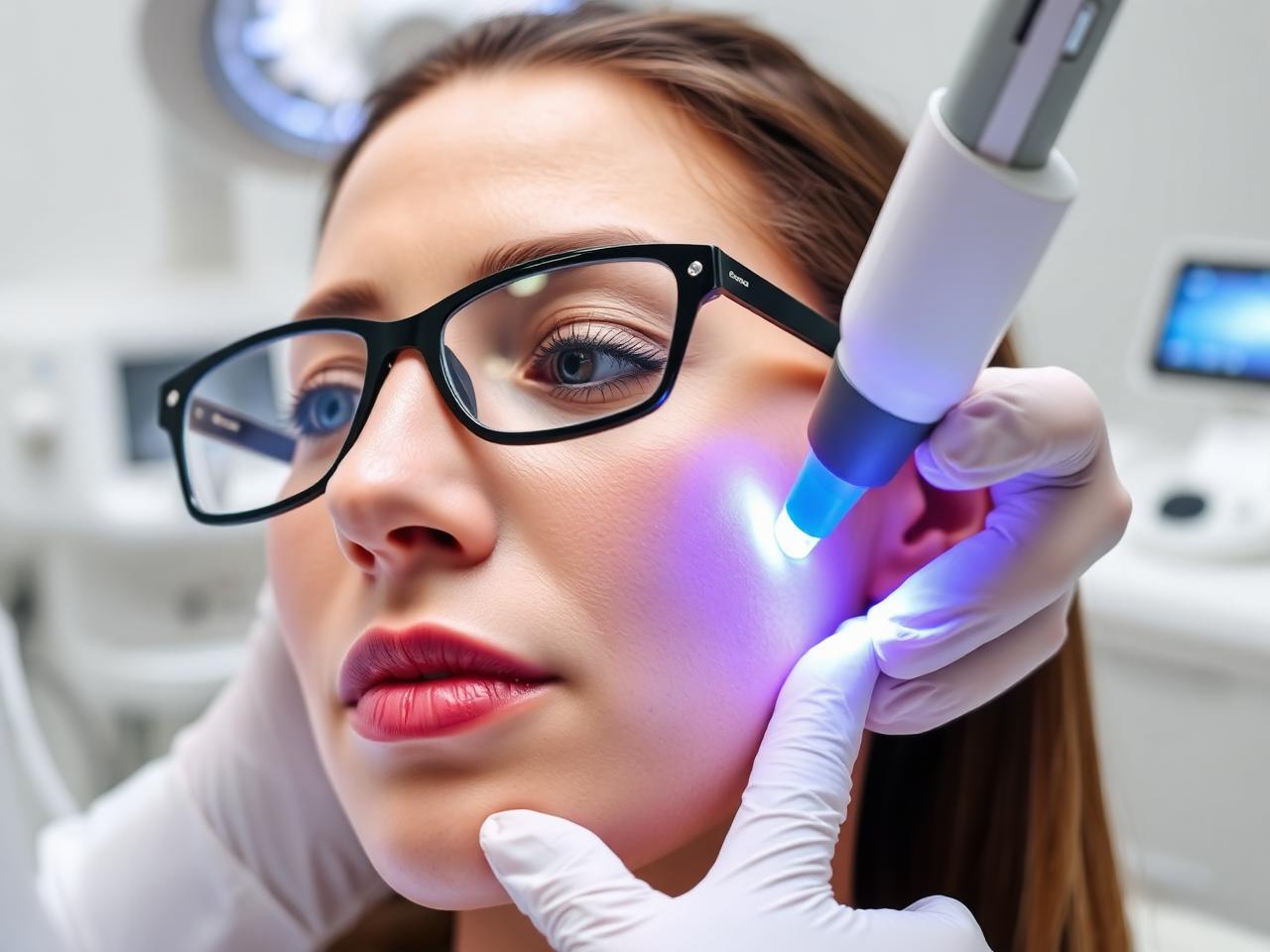
Scarlet S RF microneedling is our first-line stretch marks treatment for the majority of patients in Dubai. It is a hybrid device that combines two mechanisms simultaneously: fine gold-coated microneedles that create controlled micro-channels in the dermis, and bipolar radiofrequency energy that is delivered from the tip of each needle directly into the dermal scar tissue. The result is precise, deep thermal remodelling of the dermal collagen framework without disrupting the melanin-rich epidermis on top.
That last point is why we recommend Scarlet S RF as first-line for Dubai's patient mix. It may be suitable for a wide range of skin tones — including the Middle Eastern, South Asian and mixed-heritage patients who make up the majority of those we treat — because the radiofrequency energy is not absorbed by melanin, provided settings are selected following an individual clinical assessment. On darker skin, this dramatically reduces the risk of post-inflammatory hyperpigmentation that can complicate more aggressive laser resurfacing.
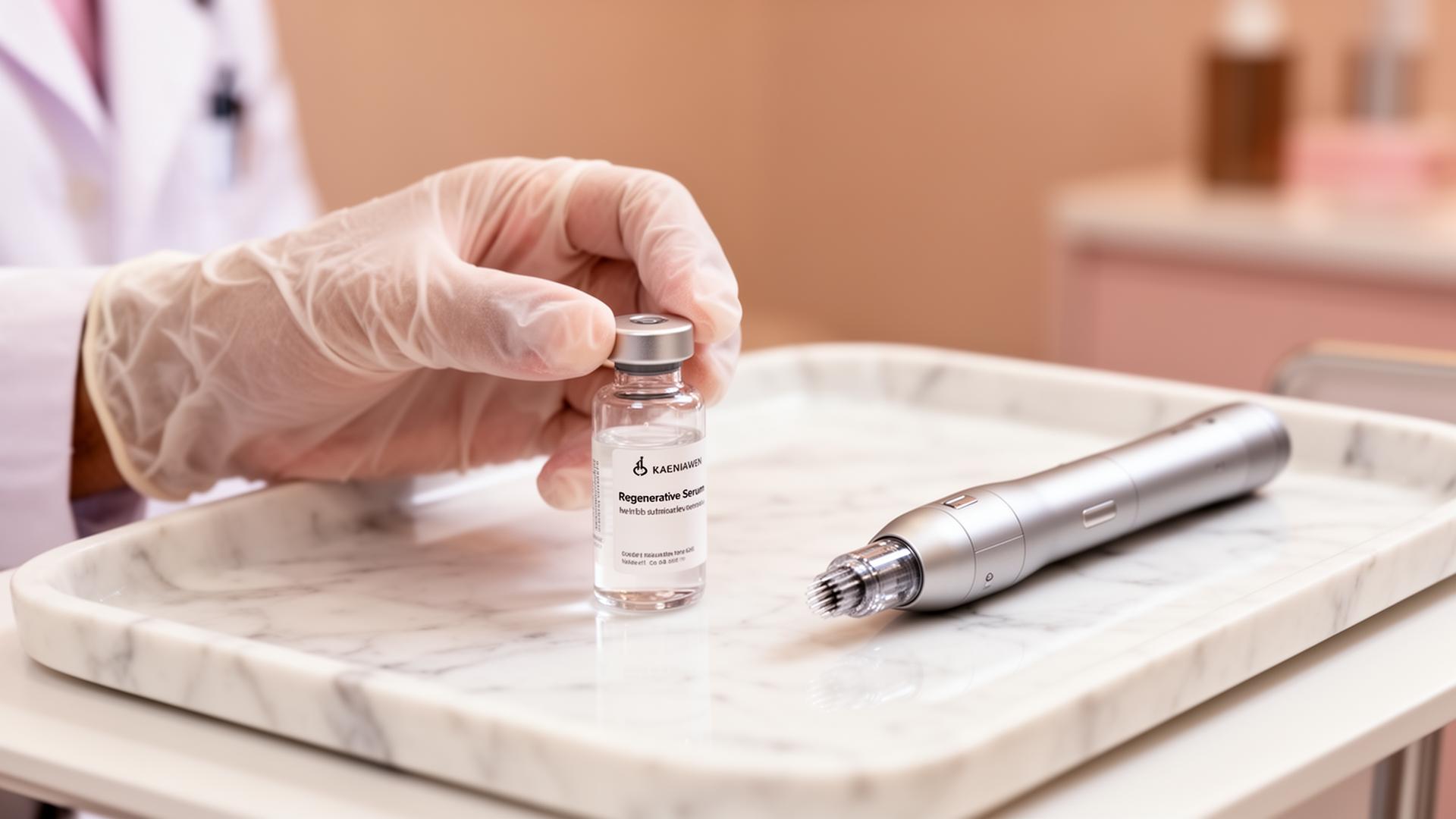
For stretch marks specifically, we layer PRP, exosomes or PDRN into the freshly created micro-channels at the end of the session. The regenerative payload penetrates the dermis through the channels created by the microneedles and amplifies the collagen and elastin response over the following weeks. Downtime is 24–48 hours of pinkness and mild swelling. A typical stretch marks course is 4–6 sessions, spaced 4–6 weeks apart.
Recommended image placement: a Before & After of Scarlet S RF microneedling with PRP on postpartum abdominal stretch marks would sit here perfectly, once the case is added to the stretch marks gallery.
Fractional CO2 Laser
Fractional CO2 laser is the most aggressive treatment in this article and, in the right patient, the most transformative. The CO2 wavelength ablates precisely-controlled columns of tissue in a fractional pattern — small treated columns interspersed with untreated skin — which triggers rapid re-epithelialisation and deep dermal remodelling. For deep, older, textured white stretch marks on lighter skin, nothing else in this list produces the same magnitude of collagen response in a single session.
The trade-off is real. Fractional CO2 requires 5–7 days of visible downtime — redness, mild peeling, temporary swelling — and the risk of post-inflammatory hyperpigmentation is meaningfully higher on Fitzpatrick IV–VI skin. This is why we use it selectively. In our Dubai practice, fractional CO2 is most often chosen for older, textured white stretch marks in patients with lighter skin who have already tried microneedling or who want the deepest possible remodelling in the fewest sessions. When it is the right tool, the results are excellent. When it is the wrong tool, it can create pigmentation problems that take months to reverse — which is why the doctor consultation matters more than the device.
For a deeper technical comparison between the two, see our full CO2 laser vs RF microneedling comparison guide.
Dermapen with PRP
Dermapen with PRP is our gentler, highly versatile stretch marks treatment. Dermapen is a precision automated microneedling device that creates thousands of controlled micro-channels in the dermis. Immediately after the microneedling pass, we layer platelet-rich plasma — derived from the patient's own blood, spun in a medical-grade centrifuge — into the freshly opened channels. The growth factors in PRP (PDGF, TGF-β, VEGF, EGF, IGF among others) signal fibroblasts to lay down new collagen and elastin in the treated area over the following 4–8 weeks.
Dermapen with PRP is our go-to for patients who want strong regenerative signalling with minimal downtime (24 hours), for younger red stretch marks, for pregnancy stretch marks on the abdomen and breasts, and for patients on tighter budgets than a full Scarlet S RF course. It may also be suitable for a wide range of skin tones, because the microneedling itself does not disrupt melanocyte behaviour, when settings are selected following an individual clinical assessment. Typical course: 4–6 sessions, spaced 4 weeks apart.
Exosome Therapy with PRP
Exosome therapy is the most advanced regenerative payload in this article and increasingly our patients' request by name. Exosomes are microscopic extracellular vesicles harvested (in our case) from ethically sourced mesenchymal stem cells. Each exosome carries a package of growth factors, signalling peptides and messenger RNA that instructs the recipient cells — fibroblasts, keratinocytes and dermal stem cells — to behave more like young, high-performing skin cells. In simple language: exosomes send younger, more organised biological instructions to the tissue than PRP alone.
Clinically, we combine exosomes with Scarlet S RF microneedling or with Dermapen for the strongest stretch marks results, particularly on older white stretch marks where the dermis has become biologically quiet. For patients who want the most powerful regenerative layer available, this is it. Downtime is identical to the microneedling or Scarlet S RF pass on which they are layered — exosomes themselves add nothing to recovery. See our full PRP vs exosomes comparison guide for the science of when to choose each.
For patients where we suspect the dermis needs deep hydration and vascular support in addition to structural collagen remodelling, we sometimes add PDRN (polydeoxyribonucleotide) into the same session — a regenerative molecule that supports microcirculation and fibroblast activity.
Comparison Table — Which Stretch Marks Treatment When
| Treatment | Best for | Skin tone safety | Sessions | Downtime | Where it fits |
|---|---|---|---|---|---|
| Scarlet S RF microneedling | All stretch marks; safe first-line for most patients; excellent on darker skin | Fitzpatrick I–VI (all skin tones) | 4–6 | 24–48 hours | Backbone of most Silk Clinics stretch marks plans, layered with PRP/exosomes/PDRN |
| Fractional CO2 laser | Deep, older white stretch marks on lighter skin; maximum single-session remodelling | Fitzpatrick I–III (used cautiously on IV) | 2–4 | 5–7 days | Escalation for older, textured white stretch marks in the right skin type |
| Dermapen with PRP | Newer red stretch marks; pregnancy stretch marks; gentler plans across all skin tones | Fitzpatrick I–VI (all skin tones) | 4–6 | 24 hours | First-line for red stretch marks and postpartum abdomen; combines well with everything |
| Exosome therapy with PRP | Older white stretch marks; the strongest regenerative layer for slow-remodelling tissue | Fitzpatrick I–VI (all skin tones) | 3–6 | Same as the delivery method | Layered on top of Scarlet S RF or Dermapen when the dermis is biologically quiet |
What Silk Clinics Doctors Commonly Recommend
After thousands of stretch marks assessments at our clinic in Dubai Healthcare City, our default protocol has settled into a small number of clinical patterns that consistently work. This is not a rigid formula — every patient is assessed individually — but this is what our doctors most often recommend once the skin has been examined.
For red or purple stretch marks (any body area, any skin tone): Dermapen with PRP as a first line, 4 sessions, 4 weeks apart. If the marks are extensive or the patient wants faster remodelling, we upgrade to Scarlet S RF microneedling with PRP over 4–6 sessions. This is what Dr Suzanne Haddad most commonly prescribes for postpartum abdomen and breast stretch marks in the first 12 months.
For white or silvery stretch marks on darker skin (Fitzpatrick IV–VI): Scarlet S RF microneedling combined with exosomes, 5–6 sessions, 4–6 weeks apart. This is the safest way to drive deep collagen remodelling in Middle Eastern and South Asian skin without risking pigmentation change. This is our most-prescribed protocol for the Dubai patient mix.
For white or silvery stretch marks on lighter skin (Fitzpatrick I–III): A staged combination — begin with 3 sessions of Scarlet S RF microneedling with PRP, reassess, and if additional depth is needed, add 1–2 sessions of fractional CO2 laser to close out the plan. This is where Dr Ahmad Sadeqyar often leads, given his focus on regenerative and energy-based skin work.
For men with rapid muscle-gain stretch marks (shoulders, upper arms, lower back): Scarlet S RF microneedling with exosomes over 4–6 sessions, plus a discussion about pacing the hypertrophy phase to reduce recurrence.
For stretch marks in adolescents (post-consent, with a parent present): We tend to wait until 18 unless the psychological impact is significant. When we do treat earlier, Dermapen with PRP is our conservative first-line approach.
The through-line is this: energy-based collagen remodelling plus a regenerative layer, staged over time, on skin that has been assessed in person by a doctor. There are no shortcuts, and any clinic in Dubai promising them is not being honest with you.
Recovery Timeline
Recovery depends entirely on which treatment is used, but the pattern for each is predictable.
Scarlet S RF microneedling (with or without PRP / exosomes): Immediate pinkness and mild warmth in the treated area lasting a few hours. Mild swelling and pinkness for 24–48 hours. Back to work the next day, back to full gym within 48 hours. No sun exposure on the treated area for 7 days and daily SPF 50 for at least 4 weeks.
Fractional CO2 laser: Pinkness and mild swelling on day 1. Bronzing and micro-crusting on days 2–4. Peeling and light shedding on days 4–7. Residual pinkness that can be covered with makeup after day 7. Strict sun avoidance for 4 weeks, daily SPF 50 for 12 weeks.
Dermapen with PRP: Pinkness for 12–24 hours, occasional light bruising if the area was heavily treated. Normal activities the same day, gym at 48 hours.
Exosome therapy: Adds no additional recovery time on top of the microneedling or Scarlet S RF pass on which it is layered.
Results Timeline
Stretch marks respond gradually because the underlying biology — new collagen and elastin production — takes weeks to months. Understanding this timeline sets realistic expectations and prevents patients from abandoning a plan just before it starts to show its full effect.
Weeks 1–4: Local inflammation resolves. Skin may look slightly smoother, but no meaningful colour change yet.
Weeks 4–8: First visible colour normalisation — red and purple stretch marks begin to fade toward flesh tone, texture starts to soften.
Months 2–4: Clear improvement in colour, texture and depth. Most patients report that stretch marks are noticeably less obvious in normal light and clothing.
Months 4–6: Peak visible improvement from the treatment course. This is when Before & After photography is most impactful.
Months 6–12: Collagen and elastin remodelling continues silently. Additional improvement layers on top of what was already visible at month 6, without any further sessions.
Realistically, a well-designed course aims for visible improvement in colour, depth and texture rather than erasure. Anyone promising 100% erasure of stretch marks is not being honest. Results vary depending on the type, age and severity of the stretch marks, the treatment selected and individual response.
How Much Does Stretch Marks Treatment Cost in Dubai?
There is no single price for stretch marks treatment in Dubai because the honest cost depends on four factors, all of which are decided during the in-person assessment. First, the area treated — a small postpartum patch on the lower abdomen prices differently to full thighs, hips and lower back. Second, the severity and age of the stretch marks — older, deeper striae albae need more sessions and a more layered protocol than newer striae rubrae. Third, the technology used — Dermapen with PRP is the most accessible price point, Scarlet S RF microneedling sits above it, exosome therapy adds a regenerative-payload cost, and fractional CO2 laser is the highest per-session investment. Fourth, the number of sessions — a series of sessions is usually recommended, but the number and interval depend on scar type, skin type, treatment selected and clinical assessment, and a course is usually priced more favourably than single sessions.
As a realistic Dubai market range, most stretch marks plans at Silk Clinics sit between AED 1,500 and AED 4,500 per session, with course pricing available once the plan is finalised. We do not quote precise numbers before an in-person consultation because sending a random price by WhatsApp before seeing the skin — and without knowing the area, severity or realistic session count — is not honest medicine. What we do promise is a transparent written treatment plan with fully itemised costs, before you decide to proceed. See our contact page to book a consultation.
Common Mistakes People Make When Treating Stretch Marks
After thousands of consultations in Dubai Healthcare City, the same avoidable mistakes come up again and again. Getting these right is often the difference between meaningful improvement and a wasted year.
-
Waiting too long. Red and purple stretch marks (striae rubrae) respond fastest because the dermis is still biologically active. Waiting until they turn silvery-white is not a disqualifier — but it does mean more sessions and a more layered protocol.
-
Relying on creams and oils alone. Stretch marks live several millimetres deep in the dermis. Topical products live on the surface. No cream, no matter how expensive or heavily marketed, can rebuild dermal collagen.
-
Choosing the wrong laser for your skin tone. Aggressive ablative laser on Fitzpatrick IV–VI skin — the majority of the Dubai patient mix — is the single most common way to create post-inflammatory hyperpigmentation that can take months to reverse. On darker skin, Scarlet S RF microneedling is almost always the safer, more effective first line.
-
Expecting results from a single session. Stretch marks are dermal scars. Collagen remodelling takes weeks to months, and a series of sessions is usually recommended. One session does not fix a scar in the dermis — and any clinic promising otherwise is not being honest.
-
Skipping the regenerative layer. Energy alone remodels less than energy + PRP, exosomes or PDRN. The regenerative payload is what separates a modest result from an excellent one.
-
Chasing 100% erasure. The realistic outcome is visible improvement in colour, depth and texture, not erasure. Results vary depending on the type, age and severity of the stretch marks, the treatment selected and individual response. Any promise of full erasure — especially from non-medical operators — should immediately raise concern.
-
Going to a beauty salon instead of a doctor-led clinic. Stretch marks treatment involves radiofrequency, medical needling and injectable biologics. That is medicine, and it should be prescribed and performed inside a regulated healthcare facility — for us, Dubai Healthcare City.
Who Is a Good Candidate for Stretch Marks Treatment?
Most adults with stretch marks are candidates for treatment. The specific plan matters more than the eligibility question. A good candidate is someone who has: realistic expectations (visible improvement, not erasure), stable weight or a stable body-composition phase, no active infection or eczema in the treatment area, no recent isotretinoin use in the previous 6 months (relevant for CO2 laser and aggressive resurfacing), no active pregnancy or breastfeeding for treatments involving PRP or radiofrequency, and no untreated skin cancer or suspicious lesions in the treatment area.
Contraindications and cautions. Active pregnancy and current breastfeeding are absolute pauses for radiofrequency, CO2 laser and injectable regenerative therapies — we treat after the mother has completed breastfeeding and been medically cleared. Active bacterial, viral or fungal infection in the target area must be treated first. Uncontrolled diabetes, immunosuppression and bleeding disorders require case-by-case medical review. Keloid-prone patients need a cautious approach and often a smaller test patch before a full session. Recent isotretinoin (previous 6 months) is a temporary contraindication to ablative resurfacing.
Safety Considerations
Stretch marks treatment in Dubai is safe when performed by a doctor-led team with the right device on the right skin type. The safety profile deteriorates sharply when non-medical operators use aggressive lasers on darker skin — which is why we screen candidly for skin type before recommending a device, and why we default to Scarlet S RF microneedling for the majority of Middle Eastern, South Asian and mixed-heritage patients. Post-treatment care is straightforward: no sun on the treated area, daily SPF 50, no hot showers or sauna for 48 hours, no shaving or waxing the treated area for 5–7 days, and no exercise for 24–48 hours depending on the treatment.
Why Choose Silk Clinics for Stretch Marks Treatment in Dubai
Our clinic sits inside Dubai Healthcare City — the regulated healthcare free zone in the emirate, subject to the higher medical governance standards of DHCC rather than the lighter oversight applied to standalone beauty salons. Every treatment discussed in this guide is prescribed by a licensed doctor after an in-person assessment. Patients come to us from across Dubai — Business Bay, Downtown Dubai, Jumeirah, DIFC, Dubai Marina and beyond — because our approach to stretch marks is genuinely medical, not cosmetic.
We invest heavily in the regenerative side of aesthetic medicine — PRP and PRF, exosomes and PDRN — because for stretch marks specifically, the regenerative layer is what separates a modest result from an excellent one. Our stretch marks patients are treated by Dr Suzanne Haddad and Dr Ahmad Sadeqyar, both of whom lead our aesthetic skin service. Every plan begins with an in-person consultation, honest expectation setting, and a written treatment plan you can take home before deciding.
If you are considering stretch marks treatment in Dubai, the first step is a personalised skin assessment. See the full stretch marks concern hub for a shorter clinical overview, or book a stretch marks consultation and we will map out the right plan for your skin.
Recommended image / video placement: a short 60–90-second doctor video explaining red vs white stretch marks would sit beautifully after this section — high engagement, high dwell time and strong support for AI Overview eligibility. A clinical Before & After gallery of Scarlet S RF microneedling with PRP on the abdomen and thighs should sit above the FAQ block.
References & Further Reading
The clinical positions taken in this guide are consistent with the peer-reviewed literature and the current guidance of the major dermatology bodies. For readers who want to go deeper into the primary sources:
-
American Academy of Dermatology (AAD) — Stretch marks: Why they appear and how to get rid of them. Patient guidance on striae distensae, expected outcomes and treatment categories. aad.org
-
American Society for Dermatologic Surgery (ASDS) — Stretch Marks Treatment. Overview of laser, radiofrequency and microneedling-based interventions for striae rubrae and striae albae. asds.net
-
Al-Himdani S, Ud-Din S, Gilmore S, Bayat A. Striae distensae: a comprehensive review and evidence-based evaluation of prophylaxis and treatment. British Journal of Dermatology, 2014; 170(3): 527–547. A widely cited systematic review of stretch marks prevention and treatment evidence.
-
Aldahan AS, Shah VV, Mlacker S, Samarkandy S, Alsaidan M, Nouri K. Laser and Light Treatments for Stretch Marks: A Comprehensive Review of the Literature. American Journal of Clinical Dermatology, 2016; 17(3): 239–256. Evidence review of fractional and non-ablative laser modalities for striae.
-
Ryu HW, Kim SA, Jung HR, Ryoo YW, Lee KS, Cho JW. Clinical improvement of striae distensae in Korean patients using a combination of fractionated microneedle radiofrequency and fractional carbon dioxide laser. Dermatologic Surgery, 2013; 39(10): 1452–1458. Direct clinical support for the combined RF-microneedling + fractional CO2 approach discussed above.
This article is educational and does not replace an in-person medical consultation. Treatment suitability, protocol, session count and pricing are decided at consultation with a Silk Clinics doctor at Dubai Healthcare City.
Personalized Skin Plan
Not sure if stretch marks treatment Dubai is right for you?
Answer 9 quick questions and get a doctor-designed pathway — with realistic timelines, downtime and session counts for your skin.
Browse the category
Explore all Skin Treatments in DubaiAdvanced skin treatments in Dubai engineered to renew, brighten and resurface — from Hydrafacial and chemical peels to PRP, exosomes and Scarlet S microneedling RF.
Treatments mentioned in this guide
Book a consultation
Considering stretch marks treatment in Dubai?
Our DHA-licensed doctors at Dubai Healthcare City will assess your concern and build a personalised, transparent plan — no obligation, no pressure.
Frequently asked questions
Can stretch marks be completely removed?
How much does stretch marks treatment cost in Dubai?
Do red or white stretch marks respond better to treatment?
View more frequently asked questions (9)
How many stretch marks sessions will I need?
Which is better for stretch marks — Scarlet S RF or CO2 laser?
Is stretch marks treatment safe on darker Middle Eastern and South Asian skin?
Can pregnancy stretch marks be treated after giving birth?
Is stretch marks treatment painful?
How long is the downtime after stretch marks treatment?
When will I see results from stretch marks treatment in Dubai?
Can Scarlet S RF microneedling and PRP be combined in the same visit?
How is stretch marks care personalised at Silk Clinics Dubai?
About the author

Aesthetic Doctor — Injectables & Skin
Specialising in natural-result injectables and advanced skin treatments, Dr Suzanne Haddad is known for her refined eye for facial harmony.
- MD
- Advanced Certification in Facial Injectables
- Member, AMWC
Medically reviewed by Dr Ahmad Sadeqyar — Medical Director, Aesthetic & Regenerative Medicine.