👩 Your condition
Female Hair Thinning Treatment in Dubai
Female hair thinning often shows as a widening parting, reduced ponytail thickness or diffuse density loss across the crown — not always the full bald patches seen in men. At Silk Clinics in Dubai Healthcare City, our doctors investigate the underlying cause (postpartum, hormonal, iron, thyroid, stress, traction) and build a structured female hair thinning treatment in Dubai using PRP, exosomes, mesotherapy and targeted topical care.
Understanding female hair thinning
Female pattern hair loss is biologically distinct from male pattern baldness. It usually presents as diffuse thinning of the crown with preservation of the frontal hairline, often combined with postpartum shedding, iron deficiency, hypothyroidism, perimenopausal hormonal shifts or chronic styling traction. Our protocols combine PRP and PRF scalp injections, exosome therapy, mesotherapy biotin–peptide cocktails and personalised topical and nutritional support. Where indicated, we coordinate with the patient's GP for hormonal, iron and thyroid review.
Personalized Skin Plan
Not sure if female hair thinning is right for you?
Answer 9 quick questions and get a doctor-designed pathway — with realistic timelines, downtime and session counts for your skin.
Doctor-recommended
Best treatments for female hair thinning in Dubai
Our doctors may recommend one or a combination of the following treatments, tailored to your specific case.
Hair
Longevity ProgramPRP / PRF Hair in Dubai
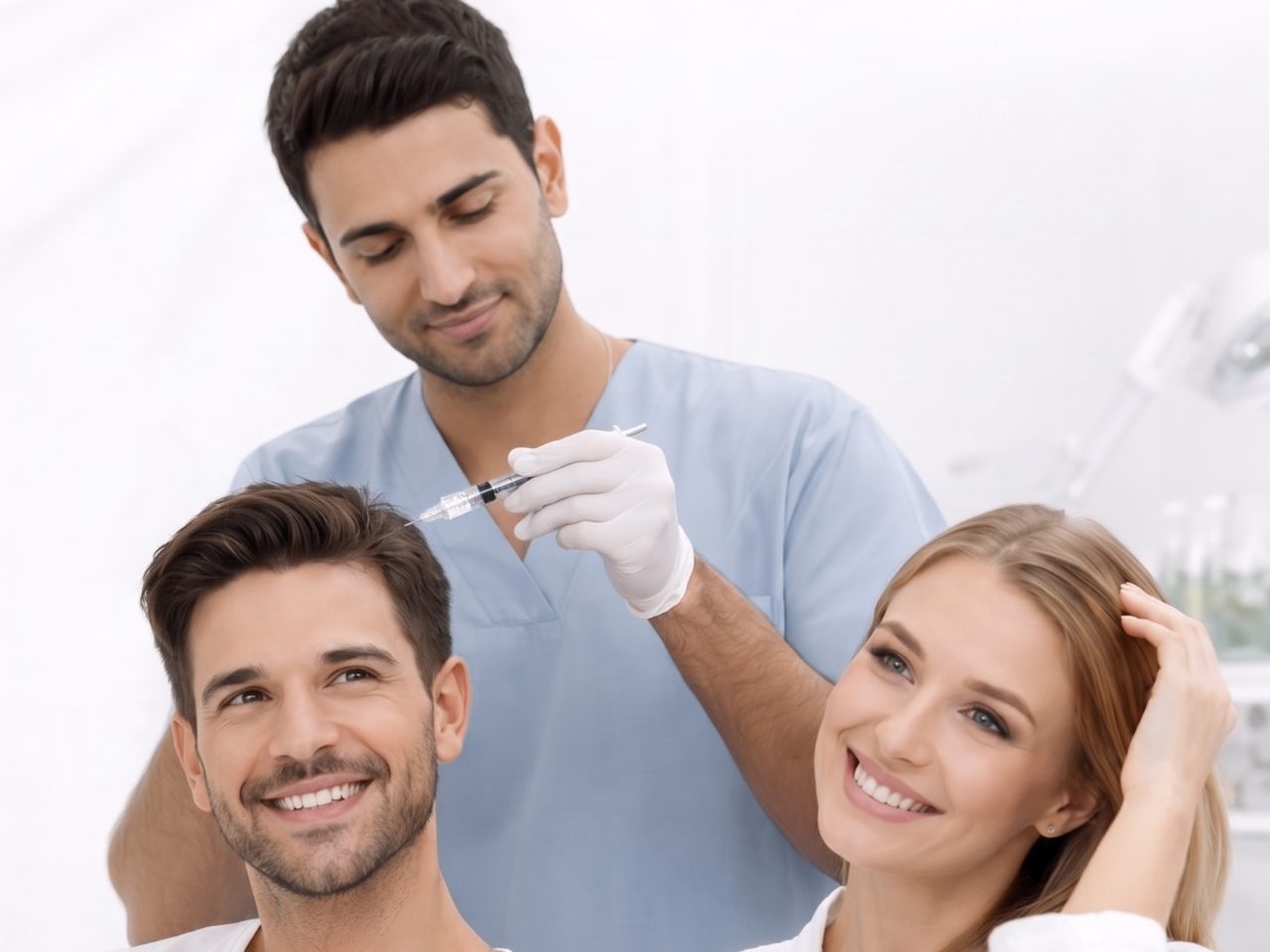
PRP hair treatment in Dubai at Silk Clinics is a doctor-led, regenerative solution for hair loss, thinning and reduced density in both men and women.
Hair
Longevity ProgramHair Exosomes in Dubai
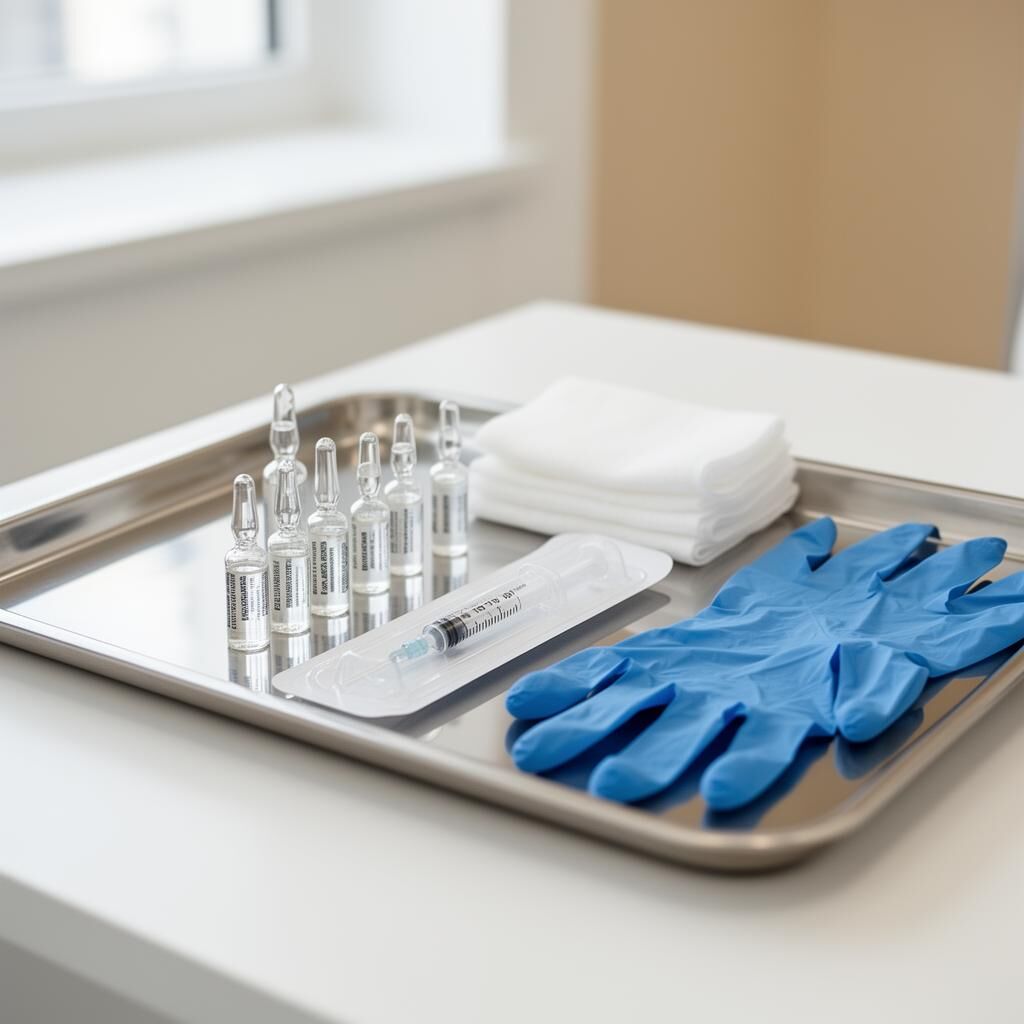
Hair exosomes in Dubai deliver next-generation growth factors and peptides directly to the scalp for advanced follicle support.
Hair
Hair LongevityMesotherapy with Biotin for Hair in Dubai
Hair mesotherapy with biotin in Dubai delivers vitamins, amino acids and trace minerals directly into the scalp, where follicles can actually use them.
Hair
Longevity ProgramGrowth Factor Hair Treatments in Dubai
Growth factor hair treatments in Dubai use concentrated signalling proteins and peptides to reactivate dormant follicles, slow shedding and support thicker, healthier hair.
Educational guide
What you should know about female hair thinning
Female hair thinning rarely looks like male pattern baldness. It usually presents as gradual diffuse loss across the crown, a widening centre parting, reduced ponytail thickness and a softer hairline — with the front hairline typically preserved. The biology is different too: female-pattern (androgenetic) hair loss overlaps with hormonal, nutritional, thyroid and stress-related triggers in a way that male-pattern loss usually does not. At Silk Clinics Dubai Healthcare City, female hair thinning treatment in Dubai starts with identifying which of these drivers are active for each patient and building a structured regenerative plan around them.
What causes this condition
Common causes & contributing factors
What causes this condition
Common causes & contributing factorsFemale hair thinning is usually multifactorial. The most common contributors include:
- Postpartum telogen effluvium (heavy shedding 3–6 months after delivery)
- Iron and ferritin deficiency (common, often missed without specific testing)
- Thyroid imbalance (hypo- or hyperthyroidism)
- Perimenopausal and menopausal hormonal shifts
- PCOS and androgenic patterns of thinning
- Chronic stress, restrictive dieting and rapid weight loss
- Traction from tight ponytails, extensions and aggressive styling
- Genetic female-pattern (androgenetic) miniaturisation
Doctor-recommended protocols
How we treat female hair thinning at Silk Clinics
Each option below is explained in the context of female hair thinning. Click through to read the full treatment page, including pricing, sessions, downtime and outcomes.
PRP / PRF for hair
Concentrated growth factors stimulate dormant follicles, reduce shedding and improve density across the crown and parting.
Hair exosomes
Cell-signalling vesicles support follicular regeneration and complement PRP, particularly in stubborn diffuse thinning.
Mesotherapy with biotin / peptides
Microinjections of vitamins, peptides and growth factors directly into the scalp deliver nutrients to thinning areas.
Growth factor hair treatments
Targeted growth-factor protocols support density gain and complement PRP and exosome therapy.
How treatment is personalised
Female hair thinning treatment in Dubai is most successful when the underlying medical trigger is addressed alongside in-clinic regenerative care. Our doctors at Silk Clinics Dubai Healthcare City take a detailed history (postpartum, cycle, diet, stress, family history), examine scalp and density, and recommend appropriate blood work — full iron studies, ferritin, thyroid function, vitamin D and selected hormones — before designing a plan. Patients are sometimes co-managed with their GP or endocrinologist.
Doctor-led, evidence-aware care
Generic hair products and one-off PRP sessions rarely deliver lasting improvement for female thinning. Real results come from a structured plan: identify and correct the underlying medical trigger, deliver a proper regenerative course, then maintain. Every plan at Silk Clinics is doctor-led, with realistic expectations explained from the outset.
Combination therapy
Treatments commonly combined
Combination therapy
Treatments commonly combinedCombining PRP / PRF with hair exosomes and periodic biotin–peptide mesotherapy consistently outperforms any single modality. Take-home topical and nutritional support is matched to the trigger profile and reviewed at each session.
Why choose Silk Clinics for female hair thinning
Female hair thinning needs medical work-up as well as regenerative therapy. Silk Clinics in Dubai Healthcare City builds plans that address the underlying medical trigger and the in-clinic regenerative course.
- Doctor-led history, scalp examination and density assessment
- Targeted blood work — ferritin, full iron studies, thyroid, vitamin D, hormones when indicated
- Structured PRP / PRF, hair exosomes and biotin–peptide mesotherapy courses
- Co-management with your GP, endocrinologist or trichologist when needed
- Postpartum, perimenopausal and PCOS-aware protocols
- Realistic timelines, written plan and progress photography at each milestone
Medically reviewed by Silk Clinics clinicians
Reviewers: Silk Clinics Medical Team — DHA-licensed aesthetic doctors · Last reviewed: June 2026
This female hair thinning treatment in Dubai page is reviewed by Silk Clinics' DHA-licensed clinicians. Content is updated to reflect current evidence on female-pattern hair loss, regenerative scalp therapy and the medical work-up appropriate for women presenting with diffuse thinning.
Related conditions to explore
Female Hair Thinning often appears alongside other concerns. Reviewing related pages can help you understand the full picture before consultation.
Frequently asked questions
What causes female hair thinning?
Does PRP work for women's hair loss?
Will my hair grow back after postpartum shedding?
View more frequently asked questions (8)
What is the difference between female hair thinning and male pattern baldness?
How long does it take to see results from PRP for women?
Can female hair thinning be reversed?
Do I need blood tests before hair loss treatment?
Is PRP safe during or after pregnancy?
What about minoxidil or oral medication?
How is PCOS-related hair thinning treated?
Will hair extensions or tight styling worsen thinning?
Not sure which treatment is right for you?
Book a consultation with our medical team. We'll assess your concern, explain your options and build a personalised treatment plan — no obligation.