Quick answer
Fractional CO2 laser is the most powerful single-session resurfacing tool for deep scars, severe sun damage and lighter skin types, but requires 7–14 days of visible downtime. Microneedling RF (Scarlet S) delivers comparable cumulative results over a course of 3–4 sessions with 1–3 days of downtime and is generally safer on darker skin tones — making it the more common first choice in Dubai.
Last reviewed on byDr Ahmad Sadeqyar&Noemi
CO2 Laser vs Microneedling RF (Scarlet S) — side-by-side
| Feature | CO2 Laser | Microneedling RF (Scarlet S) |
|---|---|---|
| Mechanism | Ablative fractional resurfacing — vaporises micro-channels | Non-ablative — RF energy delivered through insulated needles into dermis |
| Primary strengths | Deep scars, severe sun damage, textural overhaul | Tightening, acne scars, pore size, gentle remodeling |
| Downtime | 7–14 days visible recovery | 24–72 hours pink/mild swelling |
| Sessions | 1–3 sessions, spaced 3–6 months | 3–4 sessions, spaced 4–6 weeks |
| Skin-type safety | Most suitable for Fitzpatrick I–III; cautious on IV; case-by-case on V–VI | Suitable across Fitzpatrick I–VI when settings are personalized |
| Pain | Topical numbing; moderate heat sensation; some next-day discomfort | Topical numbing; pressure with mild stinging; minimal post-care discomfort |
| Sun-exposure tolerance during healing | Strict avoidance required for several weeks | Standard daily SPF, normal outdoor life within days |
| Best Dubai use-case | Patients ready to commit to downtime for a transformative single-course result | Patients on busy schedules, darker skin tones, ongoing maintenance |
CO2 laser and microneedling RF (often known by the device name Scarlet S) are two of the most powerful skin-resurfacing and remodeling tools available in Dubai today. Both treat acne scars, deep texture, lax skin and ageing change — but they work differently, behave differently on different skin types, and ask very different things of your downtime. This is a doctor-led, balanced comparison so you can come to consultation already understanding the trade-offs.
Below we cover how each treatment works, what results to expect, how they compare across the variables that actually matter (downtime, skin-type safety, scar response, tightening, sessions), whether they can be combined, and who may not be the right candidate for either. It is medically cautious and reflects how clinicians at Silk Clinics in Dubai Healthcare City actually choose between them.
How CO2 laser works
Fractional CO2 laser uses tiny columns of ablative energy to vaporise micro-channels of skin while leaving surrounding tissue intact to drive rapid healing. It is the most aggressive resurfacing modality in routine clinical use — and, when chosen for the right patient, the most transformative for deep scars, severe sun damage and pronounced textural change.
Because CO2 is ablative, it triggers a strong wound-healing and collagen-remodeling response. Results continue to improve for three to six months as new collagen lays down. Most patients need one to three sessions for scarring; one full-face session is often enough for ageing change.
How microneedling RF (Scarlet S) works
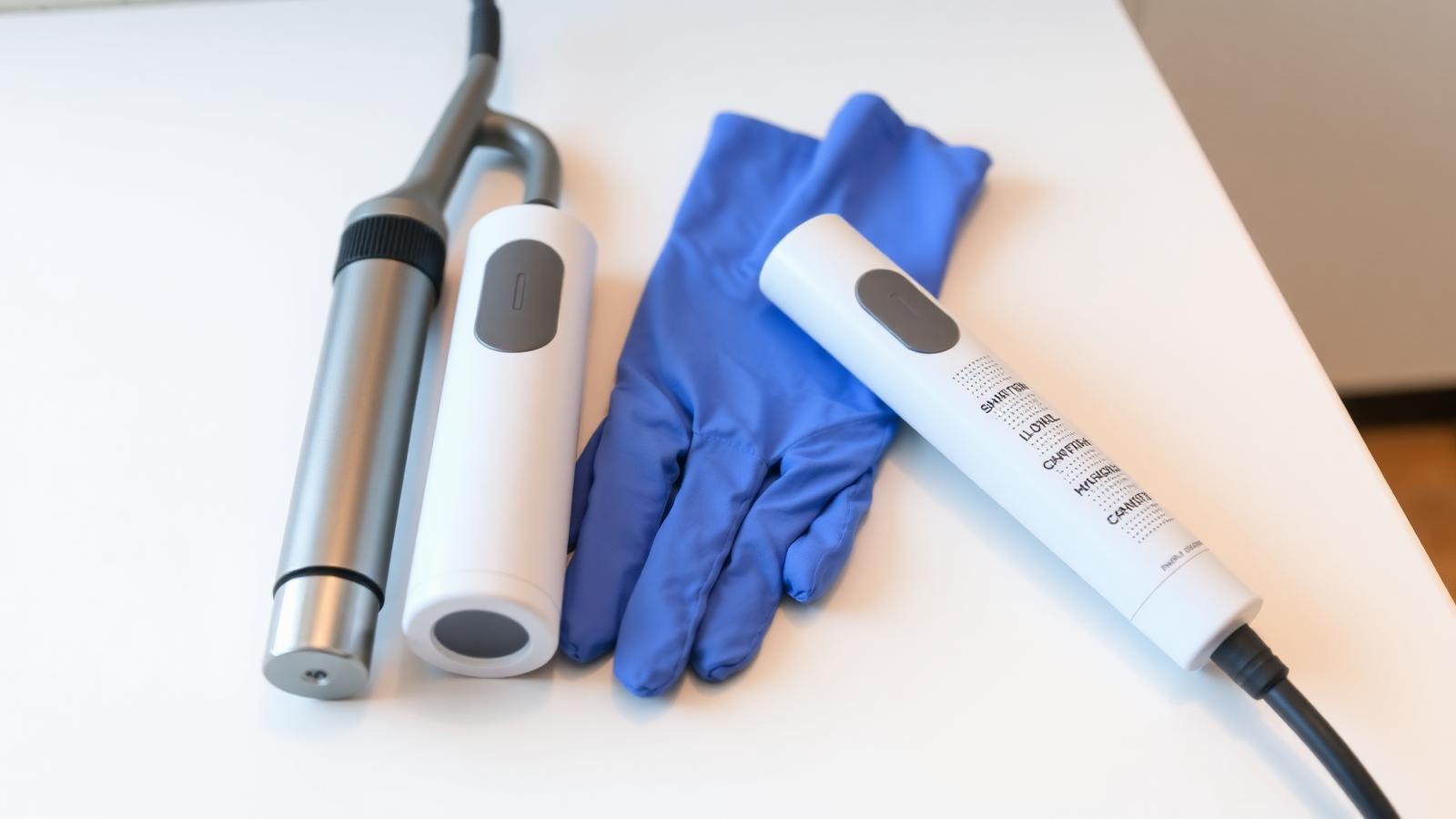
Microneedling RF delivers controlled radiofrequency energy through ultra-fine insulated needles into the deeper dermis. The skin's surface is largely preserved — the energy is deposited below it, in the layer where collagen and elastin live. This makes it dramatically gentler on the epidermis while still driving meaningful remodeling.
Because it is non-ablative, downtime is short and the safety profile on darker skin types is much more favourable. Most patients need three to four sessions spaced four to six weeks apart for visible improvement, with results continuing for several months after the last session.
Choosing between them in Dubai
Dubai's climate, lifestyle and demographics push the decision in two specific ways. First, year-round sun exposure makes any ablative procedure (CO2) a bigger commitment — strict sun avoidance during healing is non-negotiable. Second, the patient population includes Fitzpatrick skin types III–VI in large numbers, where post-inflammatory hyperpigmentation risk after CO2 must be planned for carefully. Microneedling RF is generally the safer first choice on darker skin tones, with CO2 reserved for cases where its added power is clinically justified and patients can commit to recovery and aftercare.
If your priority is the deepest possible single-session improvement on textural change, severe sun damage or icepick/boxcar scarring on lighter skin types, and you can plan around 7–14 days of visible recovery, CO2 is the more powerful tool. If your priority is steady remodeling, skin tightening, acne-scar improvement, and the ability to return to normal life within 24–72 hours — especially on darker skin tones — microneedling RF is usually the better fit.
Can these treatments be combined?
Yes — and in practice, layered protocols are common at Silk Clinics. A typical sequence is to begin with microneedling RF as the workhorse remodeling tool, then add a focused fractional CO2 session for residual deep scars or areas needing additional resurfacing once the skin has been primed and tightened. The two are not performed in the same visit; we space them at least four to six weeks apart and personalize the order based on scar depth, skin type and downtime tolerance.
Clinician perspective
What do Silk Clinics clinicians commonly recommend?
Most patients at Silk Clinics start with microneedling RF — it is gentler, safer across the skin-type spectrum we see in Dubai, and produces meaningful cumulative improvement with minimal disruption to daily life. Fractional CO2 is reserved for clearly indicated cases: deep textural change, severe photoageing, stubborn scars where added resurfacing power is clinically justified, and patients who can commit to recovery and disciplined sun protection. There is no universally 'better' option — only the one better matched to your skin, your goals and your tolerance for downtime.
Who may not be suitable?
- Active acne flares, herpes outbreaks or any uncontrolled skin infection — postpone until cleared.
- Recent isotretinoin (Roaccutane) use — most clinicians wait six months before resurfacing.
- Pregnancy or breastfeeding.
- History of keloid scarring (case-by-case caution, especially for CO2).
- Recent significant sun exposure or a deep tan — pigmentation risk is meaningfully higher.
- Inability to commit to strict post-procedure sun protection.
Suitability is always confirmed at consultation — this list is general guidance, not medical advice.
In-depth: how each treatment works
In-depth: how fractional CO2 stimulates collagen
In-depth: why insulated-needle RF protects darker skin
Aftercare you should plan for
Cost and value framing
Key takeaways
- CO2 laser is ablative and the most powerful per-session option; microneedling RF is non-ablative and the safer all-rounder.
- Downtime is the biggest practical difference: ~7–14 days for CO2 vs 1–3 days for microneedling RF.
- For darker skin types common in Dubai, microneedling RF is usually the safer first choice.
- Both treatments stimulate collagen — results continue to improve for months after the last session.
- Layered protocols (RF first, targeted CO2 later) often produce the best outcomes for complex acne scarring.
- The right choice is decided at consultation, not from a price list.
Related conditions
Personalized Skin Plan
Not sure if CO2 laser vs microneedling RF Dubai is right for you?
Answer 9 quick questions and get a doctor-designed pathway — with realistic timelines, downtime and session counts for your skin.
Browse the category
Explore all Laser Treatments in DubaiPremium laser treatments in Dubai using advanced FDA-cleared platforms for hair removal, pigmentation, skin rejuvenation, vascular concerns and resurfacing.
Treatments mentioned in this guide
Book a consultation
Considering CO2 laser vs microneedling RF in Dubai?
Our DHA-licensed doctors at Dubai Healthcare City will assess your concern and build a personalised, transparent plan — no obligation, no pressure.
Frequently asked questions
Which is better for acne scars, CO2 laser or microneedling RF?
Is CO2 laser safe for darker skin in Dubai?
How much downtime should I plan for?
View more frequently asked questions (6)
Which one tightens the skin more?
How many sessions will I need?
Is CO2 laser more painful than microneedling RF?
Can I have either treatment before a holiday or wedding?
How long do results last?
Which is better value at Silk Clinics?
About the author
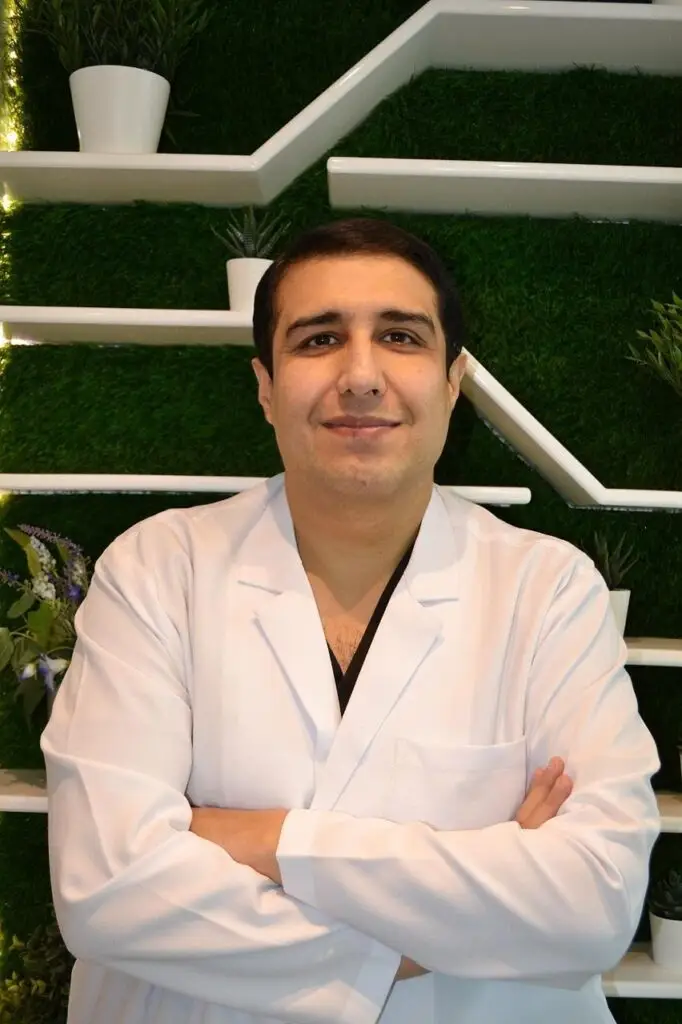
Medical Director — Aesthetic & Regenerative Medicine
Leading Silk Clinics with years of experience in aesthetic medicine, Dr Ahmad Sadeqyar oversees clinical excellence across all departments and personally treats complex aesthetic cases.
- MD — Aesthetic Medicine
- Advanced Diploma in Regenerative Therapy
- Member, IMCAS
Medically reviewed by Noemi — Head Nurse, Laser Treatments & Aesthetics.