🩹 Your condition
Stretch Marks Treatment in Dubai
Stretch marks on the abdomen, breasts, hips, thighs, buttocks or arms — from pregnancy, growth spurts, rapid weight change or muscle gain — can be significantly improved with collagen-stimulating treatments that remodel the dermis and resurface the skin. At Silk Clinics Dubai Healthcare City we treat both red and white stretch marks with evidence-based protocols built around Scarlet S RF microneedling, fractional CO2 laser, microneedling with PRP and exosome therapy.
Understanding stretch marks
Stretch marks (striae) are essentially scars within the dermis where the skin was stretched faster than the body could lay down collagen and elastin. Our doctors assess the age, depth, location and skin tone of each pattern, then prescribe a layered plan — typically Scarlet S RF microneedling combined with PRP, PRF or exosomes — to stimulate new collagen, remodel the scar and improve colour, texture and depth. Stretch marks cannot be erased completely. Results vary depending on the type, age and severity of the stretch marks, the treatment selected and individual response.
Personalized Skin Plan
Not sure if stretch marks is right for you?
Answer 9 quick questions and get a doctor-designed pathway — with realistic timelines, downtime and session counts for your skin.
Doctor-recommended
Best treatments for stretch marks in Dubai
Our doctors may recommend one or a combination of the following treatments, tailored to your specific case.
Skin
Skin LongevityScarlet S Microneedling RF in Dubai
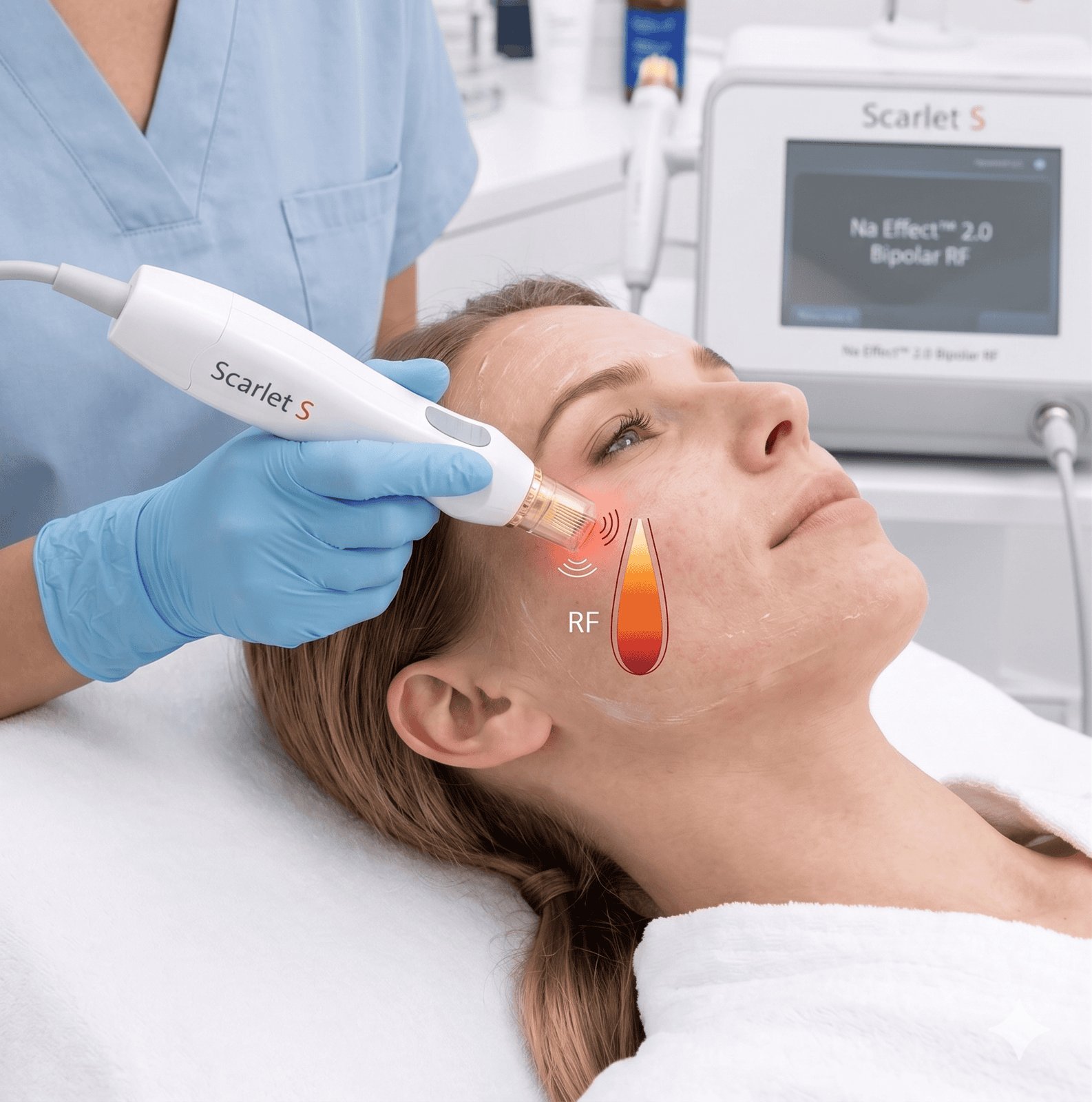
Scarlet S microneedling RF in Dubai at Silk Clinics is a doctor-led skin remodelling treatment that combines fine gold-coated microneedles with short-pulse radiofrequency energy to tighten skin, smooth acne scars and refine pores.
Laser
Skin LongevityCO2 Laser in Dubai
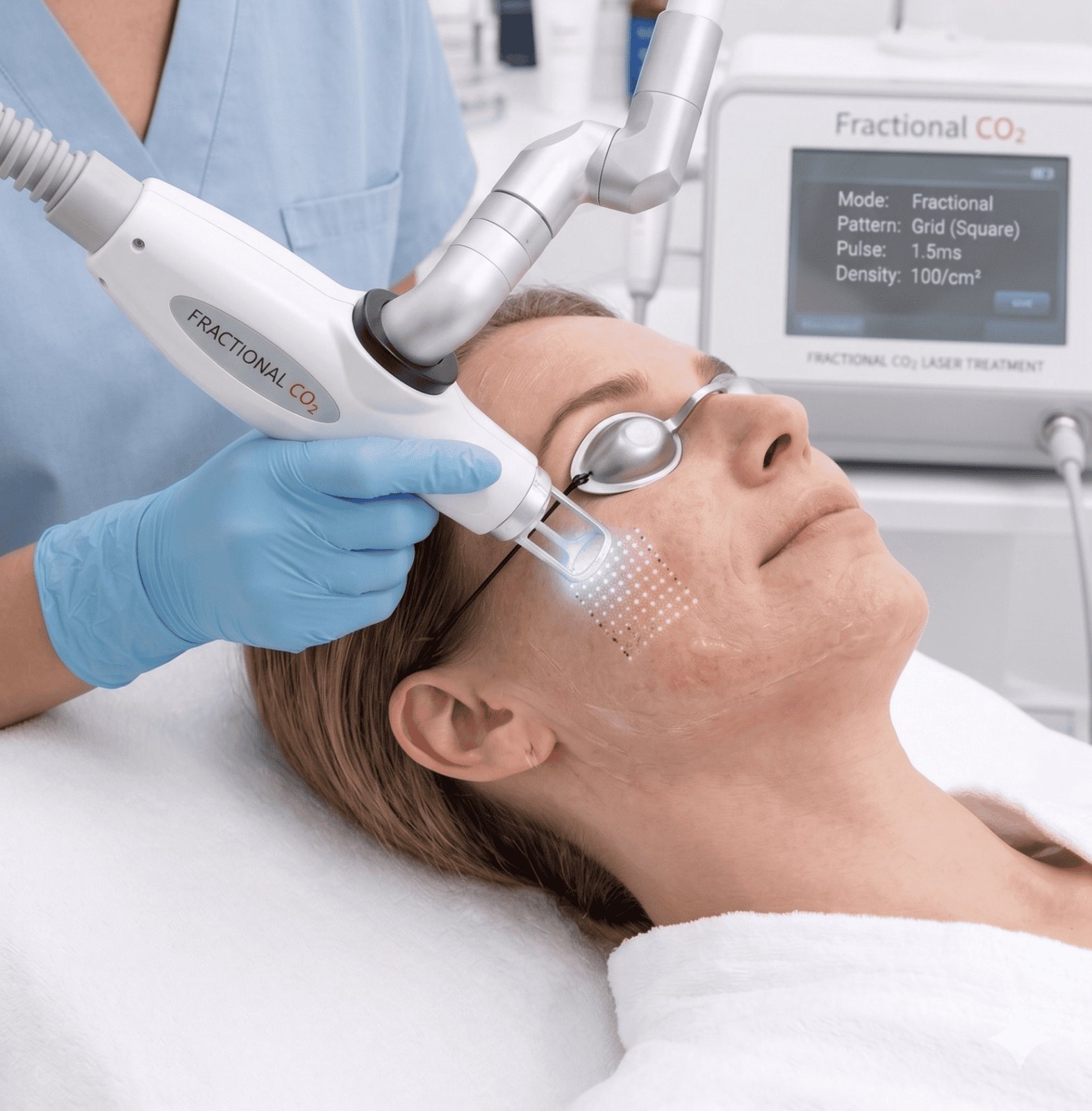
CO2 laser in Dubai is a powerful resurfacing treatment that addresses deep texture concerns, scars and aging skin with transformative results.
Skin
Longevity ProgramPRP / PRF Face in Dubai
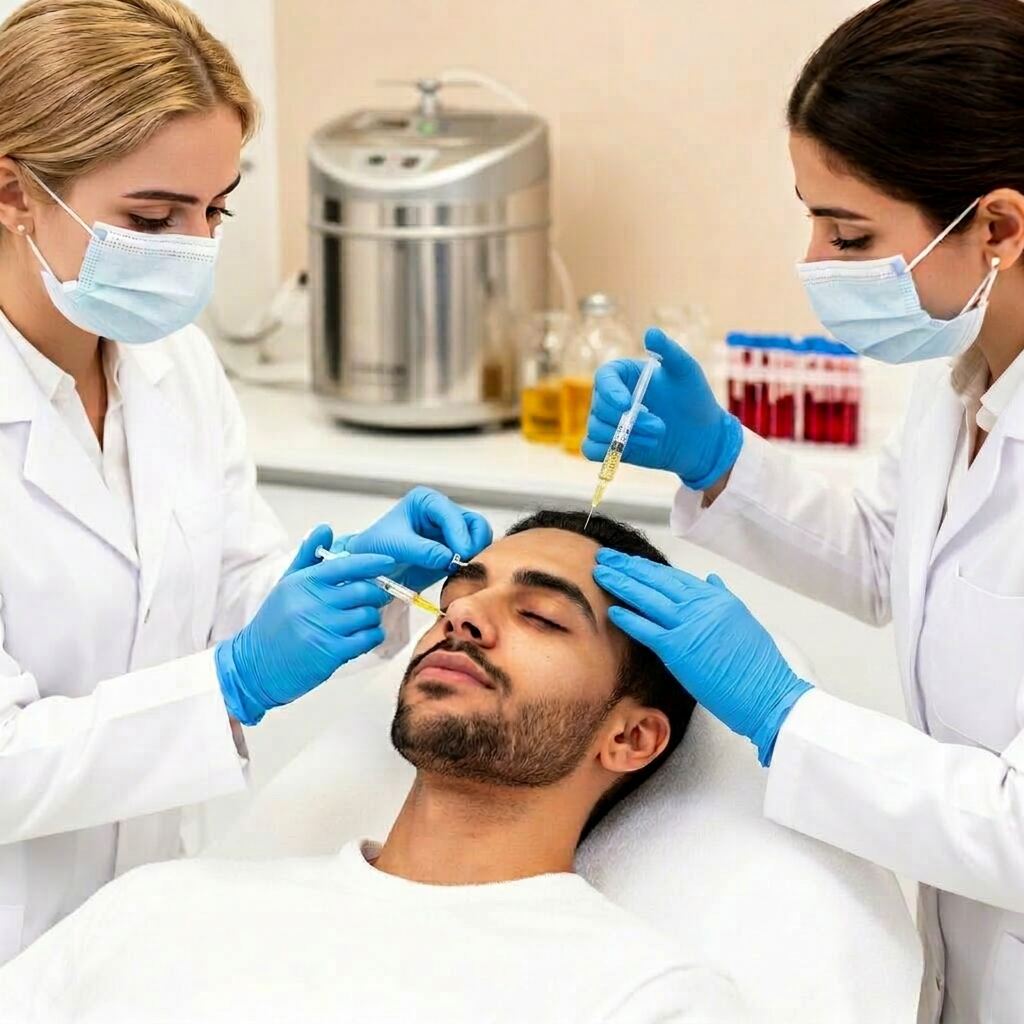
PRP and PRF facial treatments in Dubai harness your own platelet-rich plasma and fibrin to stimulate collagen, repair skin and restore a natural, healthy glow.
Skin
Longevity ProgramExosome Therapy in Dubai
Exosome therapy in Dubai is one of the most advanced regenerative skin treatments available — delivering powerful cell-signalling messengers to rejuvenate skin and scalp.
Injectables
Skin LongevitySkin Boosters in Dubai
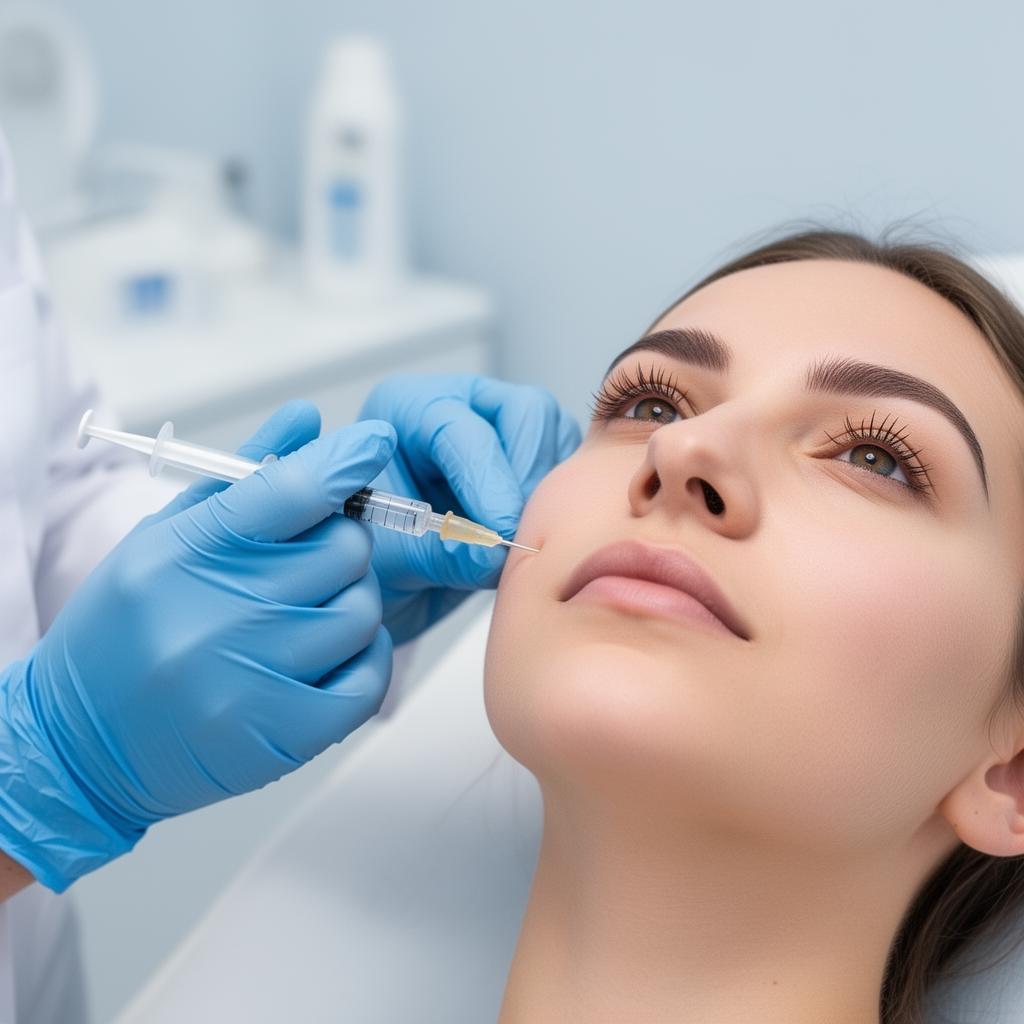
Skin boosters in Dubai are injectable hyaluronic acid treatments designed to improve skin quality — hydration, glow, firmness and elasticity — rather than add volume.
Skin
Skin LongevityChemical Peels in Dubai
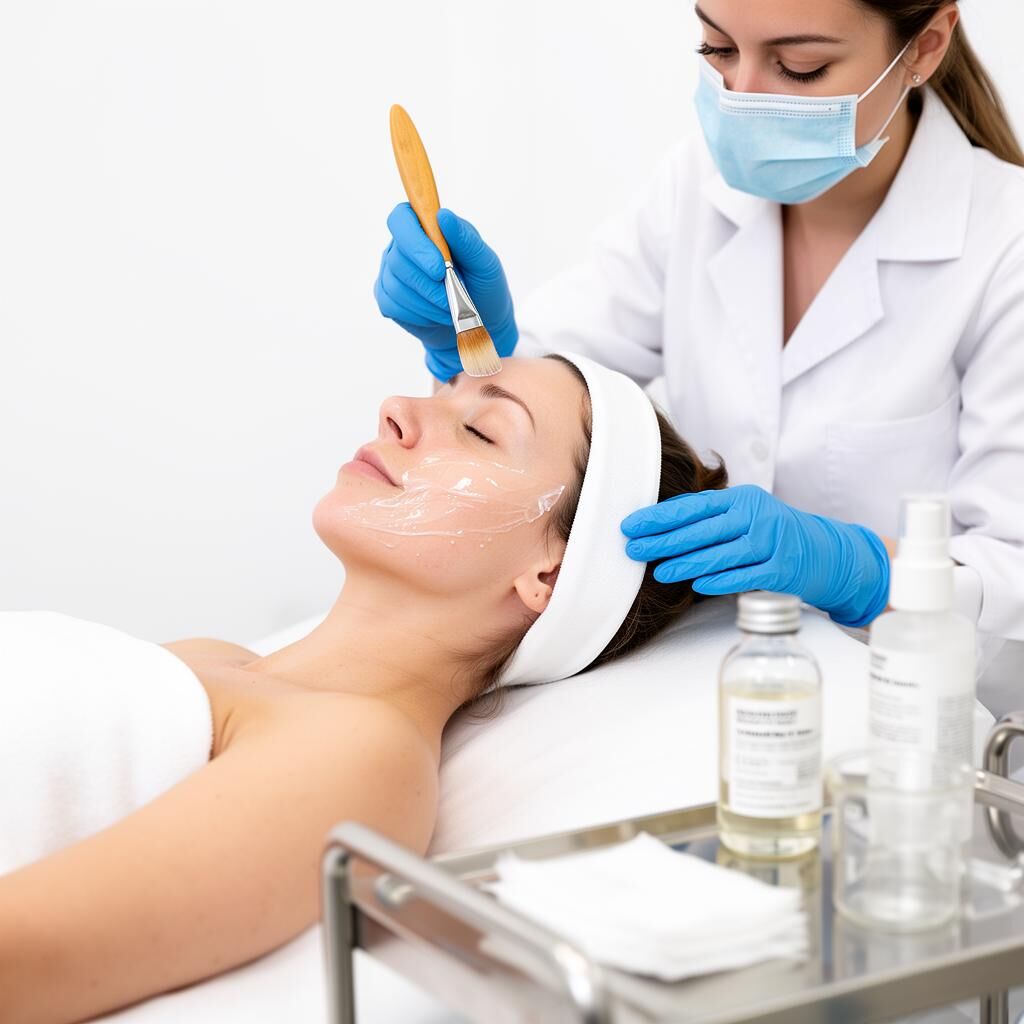
Chemical peels in Dubai at Silk Clinics are doctor-led, medical-grade exfoliation treatments tailored to your skin type and concern — from gentle mandelic and salicylic peels for sensitive or acne-prone skin, to Cosmelan and TCA for stubborn pigmentation and photoaging.
Educational guide
What you should know about stretch marks
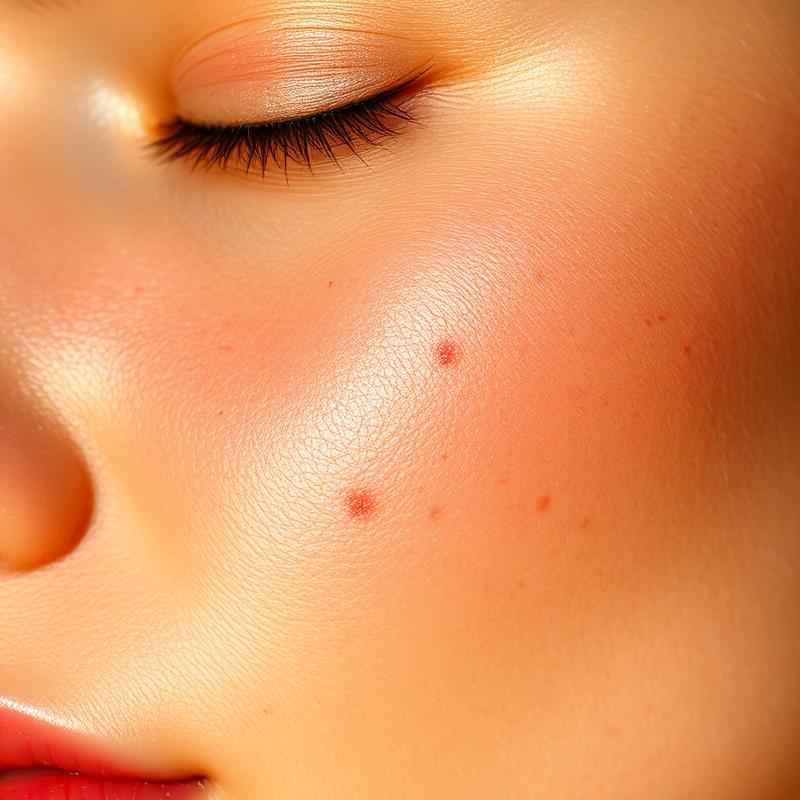
Stretch marks (medically striae distensae) are linear bands of altered skin texture that form when the dermis is stretched faster than it can produce new collagen and elastin. The supporting collagen and elastin fibres tear, the skin's microarchitecture is permanently changed, and a scar-like band is left behind. Fresh stretch marks appear pink, red, purple or violaceous (striae rubrae) because the dermis is still inflamed and the underlying capillaries are visible. Over months to years they mature into pale, silvery-white, often slightly depressed bands (striae albae). Both types respond to treatment, although red and purple stretch marks remodel faster because the dermis is still biologically active. At Silk Clinics Dubai Healthcare City, stretch marks treatment in Dubai is built around collagen stimulation and dermal remodelling — Scarlet S RF microneedling, fractional CO2 laser, microneedling with PRP and exosome therapy — sequenced to your skin tone, the age of the marks and the area treated.
What causes this condition
Common causes & contributing factors
What causes this condition
Common causes & contributing factorsStretch marks form when the demand on dermal collagen and elastin outstrips supply. The most common drivers seen at a Dubai aesthetic clinic include:
- Pregnancy — abdomen, breasts, hips and thighs as the skin rapidly accommodates the growing baby and post-partum changes
- Adolescent growth spurts during puberty, particularly on the thighs, hips, lower back and breasts
- Rapid weight gain or weight loss, including post-bariatric and yo-yo dieting patterns
- Bodybuilding and rapid muscle growth — shoulders, chest, arms and inner thighs in athletes
- Genetic predisposition to weaker dermal collagen and elastin
- Hormonal factors — pregnancy hormones, puberty hormones, cortisol surges
- Long-term oral or potent topical corticosteroid use thinning the dermis
- Cushing's syndrome and other endocrine conditions that impair collagen production
- Inadequate skin hydration during periods of rapid skin stretch
Doctor-recommended protocols
How we treat stretch marks at Silk Clinics
Each option below is explained in the context of stretch marks. Click through to read the full treatment page, including pricing, sessions, downtime and outcomes.
Scarlet S microneedling RF
Short-pulse bipolar RF stimulates new collagen and elastin deep within the stretch-mark scar without damaging surface pigment — safe across skin tones.
Fractional CO2 laser
Powerful ablative resurfacing for mature white stretch marks in selected sun-protected skin types, delivering strong dermal remodelling.
Microneedling with PRP / PRF
Autologous growth-factor support amplifies dermal repair and complements RF microneedling within the same session.
Exosome therapy
Cell-signalling vesicles accelerate scar remodelling and reduce inflammation between resurfacing sessions — particularly useful for older silvery marks.
Skin boosters
Hyaluronic acid micro-injections improve skin hydration and elasticity over treated stretch-mark areas, refining texture between RF sessions.
Medical chemical peels
Body peels improve surface texture and adjacent pigmentation, refining the look of mature stretch marks alongside collagen-stimulating protocols.
How treatment is personalised
Treatment intensity depends on stretch-mark age (red vs white), location (abdomen, breasts, thighs, arms), depth, surface area and your Fitzpatrick skin tone. Newer red and purple marks usually need fewer sessions and respond fastest. Older white marks need more sustained collagen stimulation and patience. A typical plan at Silk Clinics Dubai Healthcare City spans 4–6 sessions of Scarlet S RF microneedling over 4–6 months, with PRP, PRF or exosomes layered in the same session to amplify the response. Every plan starts with a personalised skin analysis, photographs at baseline, and a written protocol.
Doctor-led, evidence-aware care
Stretch marks cannot be erased completely — any clinic promising 100% removal is overselling. What evidence-based stretch marks treatment in Dubai can deliver is meaningful, lasting improvement in colour, depth and texture, documented with standardised before/after photography at each milestone. Results vary depending on the type, age and severity of the stretch marks, the treatment selected and individual response. Every protocol at Silk Clinics is doctor-prescribed, uses regulated medical-grade devices, and is sequenced to your skin type, body area and downtime tolerance. Safety-first protocols and honest expectation setting are non-negotiable.
Combination therapy
Treatments commonly combined
Combination therapy
Treatments commonly combinedCombination treatment is the standard for stretch marks at Silk Clinics. Scarlet S RF microneedling combined with PRP or PRF or exosome therapy within the same session consistently outperforms either modality alone. Fractional CO2 laser is layered in for mature white stretch marks in suitable candidates, and skin boosters or medical body peels refine surrounding texture between RF sessions.
What are stretch marks?
Stretch marks (striae distensae) are linear scars within the dermis. When the skin is stretched beyond the speed at which it can lay down new collagen and elastin, the supporting fibres tear and the dermal architecture is permanently altered. The result is a band-like scar — initially red or purple, eventually pale and silvery — that runs perpendicular to the direction of skin stretch.
They are most common on the abdomen, breasts, hips, thighs, buttocks, arms and lower back — anywhere the skin has been rapidly stretched by pregnancy, growth, weight change or muscle gain. They are extremely common, harmless from a medical perspective, but a real source of self-consciousness for many patients in Dubai.
Why stretch marks happen
Pregnancy is the most common single cause. As the abdomen, breasts and hips expand to accommodate the baby, the dermis is rapidly stretched while hormonal changes simultaneously alter collagen and elastin production. Pregnancy stretch marks usually appear in the second or third trimester and continue to mature for 6–12 months after delivery before stabilising as white marks.
Adolescent growth spurts are the second most common trigger. The thighs, hips, lower back, breasts and shoulders can all develop stretch marks during puberty as height and body composition change rapidly.
Rapid weight gain, weight loss and yo-yo dieting all stress the dermis. Bodybuilding and rapid muscle growth produce stretch marks across the shoulders, chest, arms and inner thighs in patients increasing muscle mass faster than the skin can adapt.
Hormonal factors play a major role — pregnancy hormones, puberty hormones and elevated cortisol all impair the dermis's ability to produce healthy collagen. Long-term oral or strong topical corticosteroid use, and conditions such as Cushing's syndrome, similarly weaken collagen and predispose to stretch marks.
Genetics matter too: if a parent has stretch marks, you are more likely to develop them under the same triggers. This explains why two patients with identical pregnancies can have very different outcomes.
Red vs white stretch marks
Striae rubrae are the early, red, pink, purple or violaceous bands. The dermis is still inflamed, capillaries are dilated and visible through the thinned skin, and the scar is biologically active. This is the most responsive stage for treatment — collagen-stimulating protocols and laser have the greatest impact while the dermis is still remodelling.
Striae albae are mature, pale, silvery-white and often slightly depressed. Inflammation has resolved, capillaries have regressed and the dermis has stabilised in its altered state. White stretch marks still improve meaningfully with the right plan, but they need more sessions and a longer course because we are actively driving the dermis back into a remodelling phase.
The practical takeaway: treating red stretch marks early gives the best results. White stretch marks are still worth treating — they simply require patience and a sustained collagen-stimulation strategy.
Why stretch marks are difficult to treat
Unlike pigmentation or surface texture, stretch marks are full-thickness dermal scars. The skin's collagen and elastin architecture has been altered, not simply discoloured. No topical cream — including retinoids, peptides and hyaluronic acid — can fully reverse this structural change, although some can soften early red marks.
Effective stretch marks treatment in Dubai therefore has to act on the dermis itself: driving controlled, repeated micro-injury or thermal energy into the scar to stimulate new collagen and elastin production. That is exactly what Scarlet S RF microneedling, fractional CO2 laser, microneedling with PRP and exosome therapy are designed to do.
Because we are remodelling scar tissue, results build gradually across a series of sessions. Realistic expectations — visible improvement in colour and texture, not full erasure — are the foundation of every honest plan. Results vary depending on the type, age and severity of the stretch marks, the treatment selected and individual response.
Best stretch marks treatments in Dubai at Silk Clinics
There is no single best treatment for stretch marks for every patient. The right plan depends on the age of the marks, the area, skin tone and downtime tolerance. The most-prescribed protocols at Silk Clinics Dubai Healthcare City are Scarlet S RF microneedling, fractional CO2 laser, microneedling with PRP or PRF and exosome therapy, typically combined within the same session for layered results. Skin boosters and medical body peels are used as adjuncts to refine surrounding texture and tone.
Scarlet S RF microneedling for stretch marks
Scarlet S RF microneedling is the most-prescribed stretch marks treatment at Silk Clinics. It delivers short-pulse bipolar radiofrequency through microneedles directly into the dermis — the precise depth at which the stretch-mark scar lives — without damaging surface pigment. Because surface pigment is not targeted, it may be suitable for a wide range of skin tones when treatment settings are selected following an individual clinical assessment — including Fitzpatrick IV–VI, where laser carries more pigmentation risk.
A typical plan is 4–6 sessions spaced 4–6 weeks apart, with 1–2 days of mild redness and tiny pinpoint marks. Most patients see visible improvement from session 2–3, with results continuing to build for 3–6 months after the final session as new collagen matures. Scarlet S is routinely combined with PRP, PRF or exosomes in the same appointment.
Fractional CO2 laser for stretch marks
Fractional CO2 laser is the most powerful resurfacing option for mature, white stretch marks in suitable candidates — usually Fitzpatrick I–III on sun-protected body areas. It creates controlled micro-columns of ablative injury through the dermis, triggering strong collagen remodelling and visible improvement in texture and depth across a 1–2 session protocol.
Downtime is real: 5–7 days of redness, peeling and strict sun avoidance. Patient selection is critical because the risk of post-inflammatory hyperpigmentation is higher in medium and darker skin tones. At Silk Clinics every CO2 case for stretch marks is doctor-prescribed and screened in detail.
Microneedling with PRP and PRF
Microneedling with PRP or PRF uses your own concentrated platelets and growth factors to amplify dermal repair. The microneedles create controlled channels through the stretch-mark scar; the PRP or PRF is then driven into the dermis to support collagen production, angiogenesis and tissue repair.
This regenerative approach is particularly popular with patients who prefer using their own biology rather than synthetic products. It is most often layered with Scarlet S RF microneedling in the same session, or used between RF sessions as a maintenance step. Typical course: 3–4 sessions monthly, with minimal downtime.
Exosome therapy for stretch marks
Exosome therapy delivers ultra-small cell-signalling vesicles that switch on regenerative pathways in the surrounding skin. Layered after Scarlet S RF microneedling or CO2 laser, exosomes calm inflammation, shorten redness and amplify the collagen-mediated improvement in the stretch-mark scar.
Exosomes are especially useful for older silvery stretch marks that have become biologically quiet — they help drive the dermis back into a remodelling phase. Most patients receive exosomes as an in-session add-on rather than a stand-alone treatment.
Skin boosters and medical chemical peels
Skin boosters micro-inject hyaluronic acid into the upper dermis across the treated area, improving hydration, elasticity and light reflection. They are an excellent adjunct between RF sessions, particularly for stretch marks on the abdomen, inner thighs and arms.
Medical body peels refine surface texture and address adjacent pigmentation around mature stretch marks. They are typically layered between RF microneedling sessions as a maintenance step rather than a primary stretch-mark treatment.
Combination treatments — the Silk Clinics standard
Single-modality stretch marks treatment rarely delivers the best result. The standard at Silk Clinics is to combine Scarlet S RF microneedling with PRP, PRF or exosomes in the same session — driving deep collagen stimulation while simultaneously supporting tissue repair. CO2 laser is added for suitable patients with mature white stretch marks and meaningful texture concerns.
Combination treatment also shortens the overall recovery timeline per session, because regenerative add-ons reduce inflammation and accelerate skin recovery. Most patients describe the combined sessions as more comfortable than they expected.
Prevention and maintenance
Stretch marks cannot always be fully prevented — genetics and hormonal triggers play a large role — but the risk and severity can be reduced. Keeping the skin well hydrated with rich emollients during periods of rapid stretch (pregnancy, growth, bodybuilding), maintaining steady weight, and supporting skin nutrition (adequate protein, vitamin C, zinc) all help.
Once stretch marks have formed, daily SPF on exposed body areas prevents the marks from contrasting more visibly with tanned surrounding skin, and a consistent body skincare routine — retinoid as tolerated, hyaluronic acid, occlusive emollients — supports any in-clinic protocol. Periodic maintenance Scarlet S RF microneedling or exosome sessions help sustain results long-term.
Why choose Silk Clinics for stretch marks treatment in Dubai
Silk Clinics is a doctor-led aesthetic clinic in Dubai Healthcare City — the UAE's regulated medical free zone. Every stretch marks treatment in Dubai performed here is delivered by a qualified doctor using regulated medical-grade devices, sterile single-use equipment and evidence-based protocols. Plans are personalised after a detailed skin analysis, sequenced to your skin tone and the age of your marks, and documented with standardised photography at each milestone.
We do not promise complete erasure of stretch marks, and we do not sell fixed packages regardless of skin type. The recommendation is medical, not commercial, and the plan is built around what your skin can actually achieve across a structured course. Results vary depending on the type, age and severity of the stretch marks, the treatment selected and individual response.
Treatment details & technologies
Treatment comparison
Treatment details & technologies
Treatment comparisonStretch marks treatments at Silk Clinics Dubai Healthcare City — quick clinical overview.
| Treatment | Best For | Downtime | Sessions | Main Benefits |
|---|---|---|---|---|
| Scarlet S RF Microneedling | All skin types, red & white stretch marks | 1–2 days redness | 4–6 sessions, 4–6 weeks apart | Deep collagen + elastin remodelling, safe across skin tones |
| Fractional CO2 Laser | Mature white stretch marks, Fitzpatrick I–III | 5–7 days | 1–2 sessions, spaced | Strongest dermal resurfacing & texture improvement |
| Microneedling + PRP / PRF | Regenerative add-on, all stretch-mark types | 1–3 days | 3–4 sessions, monthly | Autologous growth factors, enhanced dermal repair |
| Exosome Therapy | Older silvery marks, post-RF / laser amplification | Minimal | 1–3 per indication | Cell-signalling support, reduced redness, faster remodelling |
| Skin Boosters | Texture & elasticity around treated areas | Minimal | 2–3 sessions, 4 weeks apart | Hydration, elasticity, smoother surface |
| Medical Chemical Peels | Surrounding texture & pigmentation | 1–3 days light peeling | Maintenance series | Surface refinement, even body tone |
Related conditions to explore
Stretch Marks often appears alongside other concerns. Reviewing related pages can help you understand the full picture before consultation.
Frequently asked questions
Can stretch marks be fully removed?
Do newer or older stretch marks respond better?
What causes stretch marks?
View more frequently asked questions (13)
Can stretch marks be removed permanently?
What is the best treatment for stretch marks?
Is microneedling effective for stretch marks?
Does CO2 laser help stretch marks?
Are red stretch marks easier to treat?
Can old white stretch marks improve?
How many stretch marks treatment sessions are needed?
Are stretch marks scars?
Is stretch marks treatment painful?
Can pregnancy stretch marks be treated?
Which treatment gives the best results for stretch marks?
Is stretch marks treatment suitable for darker skin tones?
How much does stretch marks treatment cost in Dubai?
Not sure which treatment is right for you?
Book a consultation with our medical team. We'll assess your concern, explain your options and build a personalised treatment plan — no obligation.