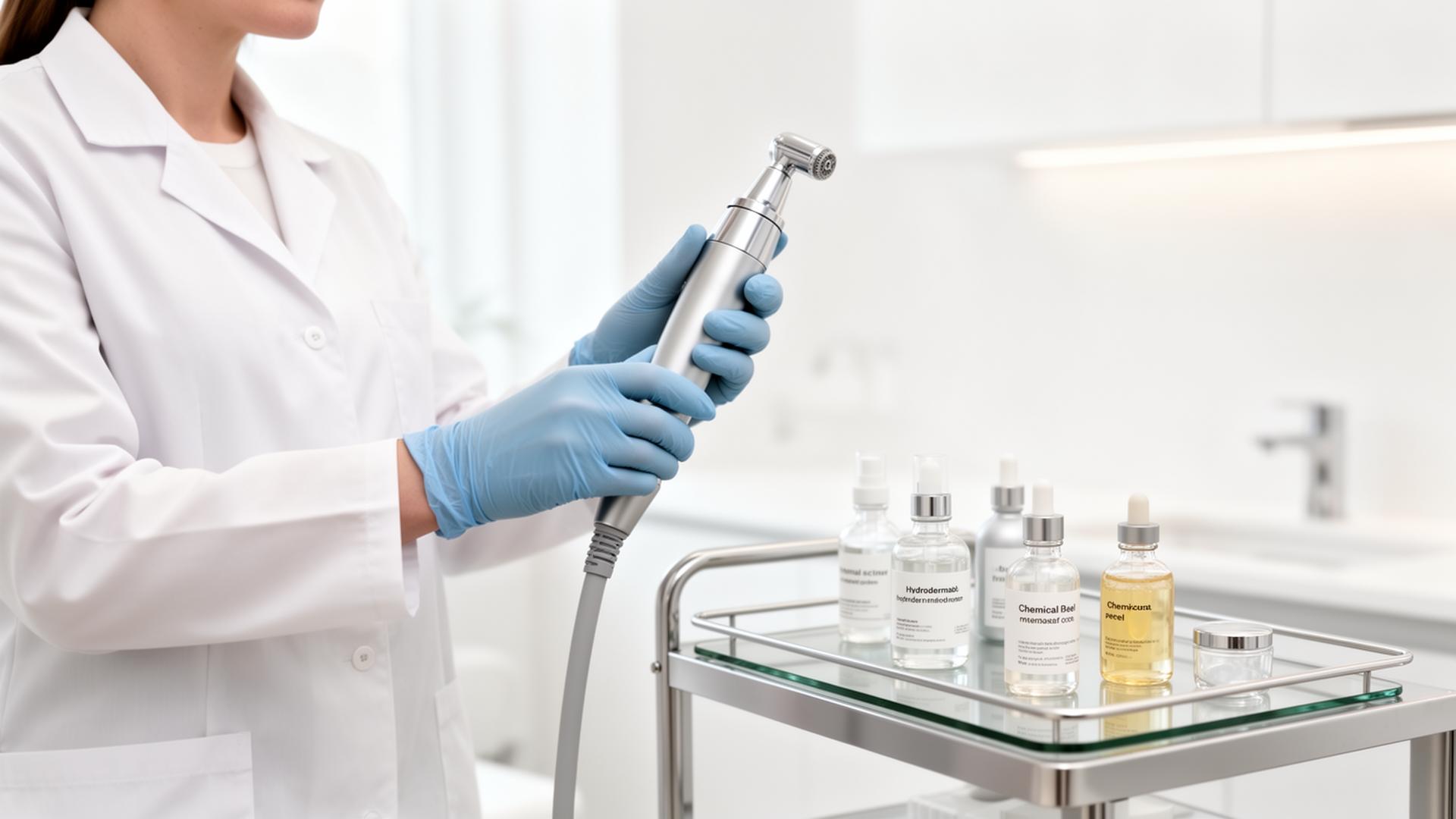
Quick answer: Hydrafacial is a gentle, device-driven maintenance facial that cleanses, exfoliates and hydrates with no downtime — ideal for glow, congestion and routine skin health. A chemical peel is a controlled acid resurfacing treatment that works deeper on pigmentation, acne scarring, texture and fine lines, with more visible peeling and social downtime. Different tools, different intensities, and often best used together in a planned protocol.
Hydrafacial and chemical peels are two of the most asked-about skin treatments in Dubai — and two of the most frequently confused. They are often marketed as interchangeable 'glow facials', but in reality they are very different treatments. They use different mechanisms, address different concerns, involve different intensities and produce different recovery experiences. Choosing between them — or planning when to combine them — should be a clinical decision, not a brand-driven one.
This guide is a doctor-led explanation of Hydrafacial vs chemical peel in Dubai. It explains what each treatment actually is, how they work, the concerns they realistically help improve, the downtime to expect, how skin type influences suitability, and how a thoughtful combination plan can sometimes deliver more than either treatment alone. The goal is not to declare a winner — it is to help you understand which option, in your particular skin, fits the result you are looking for.
Table of Contents
- What Is Hydrafacial?
- What Is a Chemical Peel?
- Hydrafacial vs Chemical Peel — The Main Differences
- Which Skin Concerns Each Treatment Helps
- Downtime & Recovery Comparison
- Which Treatment May Be Better for Different Skin Types
- Can Hydrafacial and Chemical Peels Be Combined?
- Why Professional Skin Assessment Matters
- FAQ
What Is Hydrafacial?
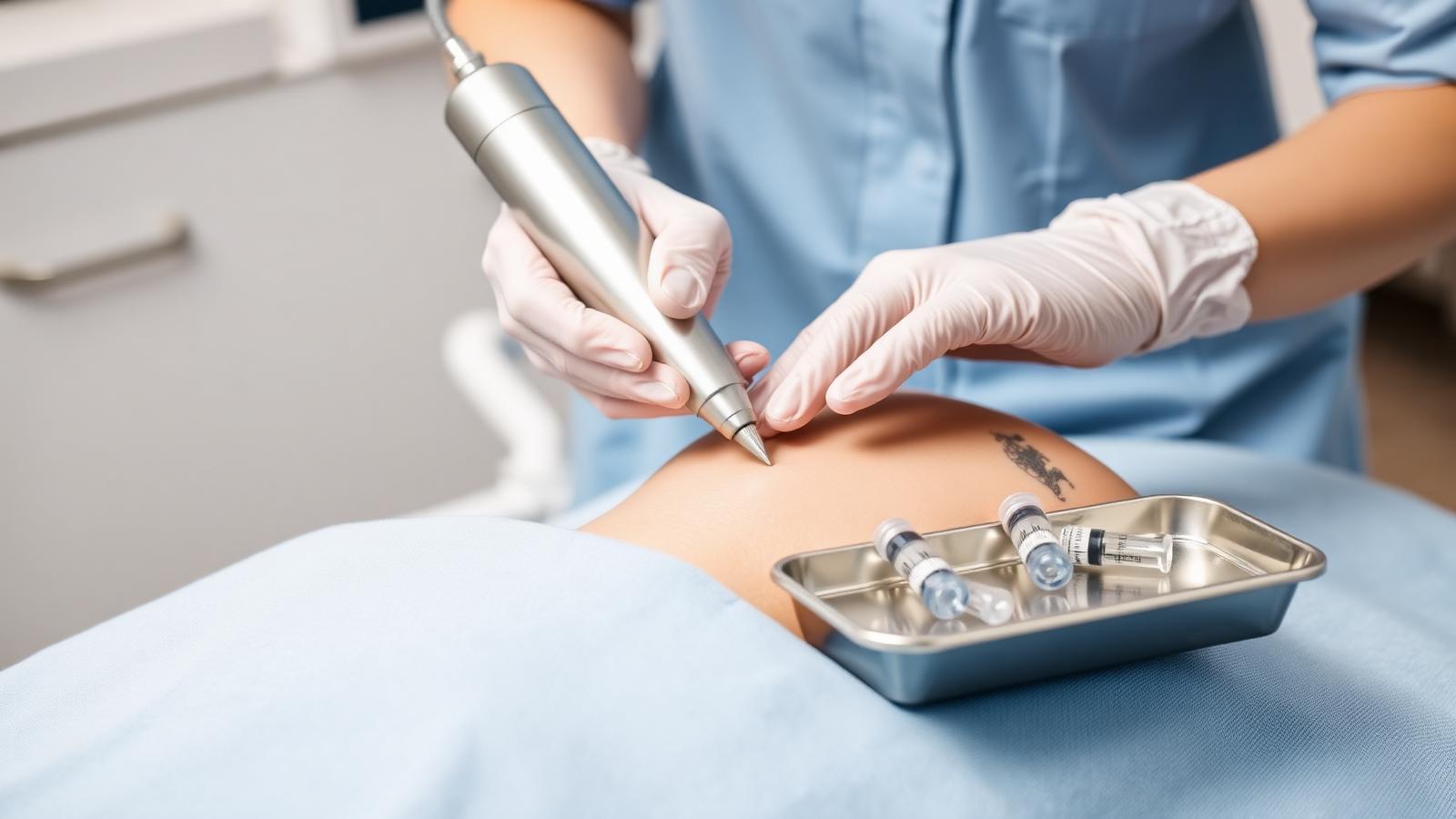
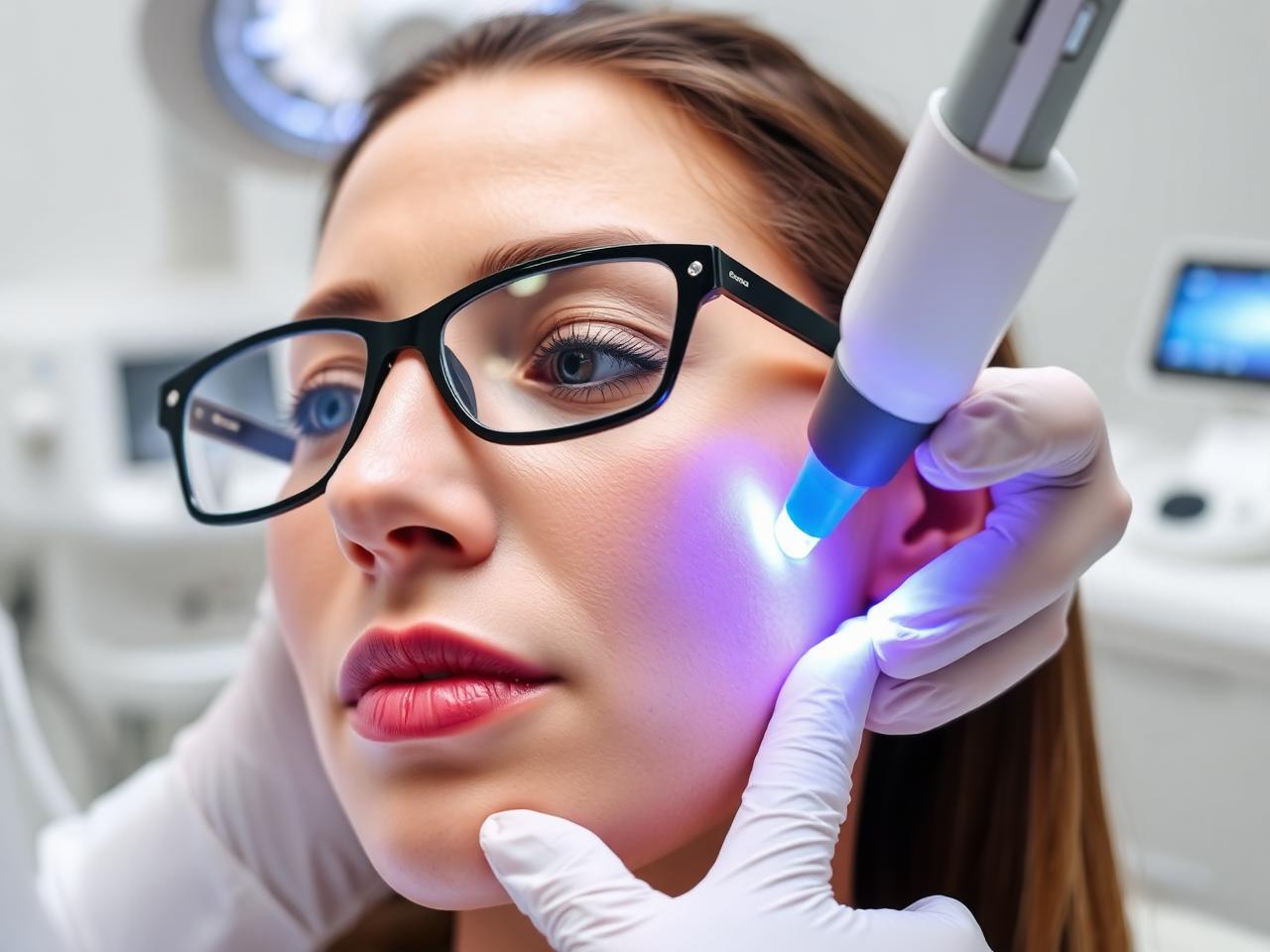
Hydrafacial is a multi-step, device-driven facial treatment that combines cleansing, gentle mechanical and chemical exfoliation, pore extraction and hydrating serum infusion in a single session. A specialised vortex handpiece delivers a continuous fluid action across the skin, lifting away dead cells, oil and impurities while simultaneously infusing skin-conditioning serums tailored to the patient's concerns. The treatment is comfortable, non-invasive and typically completed within 30–45 minutes.
Clinically, Hydrafacial in Dubai sits in the category of maintenance and glow treatments. It is designed to refresh dull, congested or dehydrated skin and to support routine skincare between deeper interventions. Many patients use Hydrafacial as part of their regular skincare maintenance — monthly or every 4–6 weeks — particularly in Dubai's climate, where heat, humidity, sun exposure and air-conditioning can compound dehydration and surface congestion. It is also widely chosen before weddings, events and travel for its immediate post-treatment glow and minimal downtime.
Hydrafacial does not deliver deep dermal resurfacing. It works at the level of the stratum corneum and superficial epidermis — the outermost layers of the skin. That is precisely why it is so well tolerated: the trade-off for minimal downtime is that the treatment is not designed to remodel deeper texture, fade established pigmentation or restructure the dermis. For those concerns, deeper modalities are required.
What Is a Chemical Peel?
A chemical peel is a controlled exfoliation treatment in which a medical-grade solution is applied to the skin to encourage the outer, damaged layers to shed and reveal smoother, more refined skin beneath. Peels work through different acid families — alpha hydroxy acids (such as glycolic and lactic), beta hydroxy acids (such as salicylic), trichloroacetic acid (TCA) and combination formulations — each with its own clinical profile and depth of action.
Importantly, not all peels are aggressive. Chemical Peels in Dubai span a wide spectrum:
- Superficial peels — light glycolic, lactic or mandelic acid peels that work within the epidermis with minimal downtime. Suitable for dullness, mild congestion and skincare maintenance.
- Medium-depth peels — TCA or stronger glycolic combinations that reach the papillary dermis. Used for pigmentation, post-acne discoloration, texture and fine lines, with a few days of visible peeling.
- Deeper peels — reserved for selected resurfacing indications, with longer recovery and more careful patient selection.
Common clinical uses of chemical peels include pigmentation (including melasma and post-inflammatory hyperpigmentation), active acne and post-acne marks, uneven texture, dull skin, fine lines and sun damage. The peel selected — and at what strength — is matched to the patient's skin type, concern and downtime tolerance, not chosen from a generic menu.
Hydrafacial vs Chemical Peel: The Main Differences
The simplest way to think about the difference is this: Hydrafacial focuses on cleansing, gentle exfoliation and hydration; chemical peels focus on controlled exfoliation and skin resurfacing. Both improve skin, but at very different depths and through very different mechanisms.
| Hydrafacial | Chemical Peel | |
|---|---|---|
| Primary action | Cleansing, gentle exfoliation, hydration | Controlled chemical exfoliation and resurfacing |
| Depth of action | Stratum corneum / superficial epidermis | Epidermis to papillary dermis depending on strength |
| Best suited for | Maintenance, glow, congestion, hydration | Pigmentation, texture, acne marks, fine lines |
| Downtime | Minimal — skin typically looks refreshed same day | Variable — from none to several days of peeling |
| Sensitivity post-treatment | Low | Mild to moderate, depending on depth |
| Suitability range | Suitable for most skin types | Strength and acid selection tailored to skin type |
| Treatment cadence | Often monthly as maintenance | Course-based, spaced according to peel depth |
Neither treatment is universally 'better' or 'permanent'. Hydrafacial cannot replace the resurfacing capability of a peel, and a peel cannot replicate the hydrating, deep-cleansing finish of a Hydrafacial. They sit at different points on the same spectrum of skin renewal, and a good plan often uses both at different intervals.
Which Skin Concerns Each Treatment Helps
Matching the treatment to the concern is the most important part of the conversation. The following is a clinical guide, not a prescription — final treatment selection should follow a skin assessment with a qualified practitioner.
Hydrafacial may help:
- Dull, tired-looking skin lacking radiance
- Dehydration and tight, rough surface texture
- Mild surface congestion and blackheads
- Oily skin needing gentle decongestion
- Mild surface irregularities and uneven tone
- Regular skincare maintenance and pre-event glow
Chemical peels may help:
- Pigmentation, melasma and uneven tone
- Post-acne marks and post-inflammatory hyperpigmentation
- Active or congested acne-prone skin (with appropriate acid selection)
- Uneven texture and dull, photodamaged skin
- Fine lines and early signs of photoaging
- Sun damage and rough surface quality
For deeper concerns — such as established acne scarring, significantly enlarged pores, advanced photoaging or skin laxity — neither treatment alone is usually the right answer. Modalities such as Scarlet S RF Microneedling, fractional CO2 Laser in Dubai, Profhilo or targeted Pigmentation Treatment in Dubai often play a larger role, with Hydrafacial and peels supporting the long-term plan. Read our companion guides on the best acne scar treatments in Dubai and the CO2 Laser Dubai guide for deeper context.
Downtime & Recovery Expectations
Recovery is one of the most practical differences between the two treatments and a major factor in choosing between them.
Hydrafacial. Downtime is typically minimal. Most patients leave the clinic with a clean, hydrated, slightly luminous complexion and can apply makeup the same day if needed. Mild redness can occur but usually settles within a few hours. Hydrafacial is one of the few in-clinic treatments that can be scheduled comfortably before an event, a flight or a busy work week.
Chemical peel. Downtime varies significantly with peel depth. Superficial peels may produce no visible peeling at all, with light dryness or slight flaking for 1–3 days. Medium-depth peels typically produce visible peeling, dryness and temporary redness for 3–7 days as the outer skin sheds and renews. Deeper peels involve longer recovery and stricter post-care.
For both treatments, sun protection is essential. The skin is more photosensitive after exfoliation, and rigorous SPF use — with hats and shade where possible — is non-negotiable in Dubai. Active retinoids, scrubs and strong actives are typically paused before and after a peel based on your clinician's instructions. Good aftercare protects the result and reduces the risk of post-inflammatory pigmentation, particularly in medium and darker skin tones.
Which Treatment May Be Better for Different Skin Types?
Skin type is one of the most important factors in choosing between Hydrafacial and a chemical peel — and within peels, in selecting the right acid and depth. The following are broad clinical patterns; individual assessment always overrides general rules.
- Sensitive or reactive skin. Hydrafacial is often better tolerated and a useful starting point. If a peel is appropriate, very gentle superficial formulations are typically preferred, introduced gradually.
- Oily, congested skin. Both treatments can help. Hydrafacial supports decongestion and surface oil control; salicylic-based peels target oil and follicular congestion at a deeper level.
- Acne-prone skin. Salicylic and combination peels can be a strong choice for inflammatory and comedonal acne, often as part of a wider acne plan. Hydrafacial may be used between peel cycles for maintenance.
- Dehydrated skin. Hydrafacial directly addresses hydration. Peels may still be used for other concerns but with attention to barrier support afterwards.
- Pigmentation-prone skin and medium-to-darker phototypes (Fitzpatrick IV–VI). Chemical peels require careful selection to minimise the risk of post-inflammatory hyperpigmentation. Conservative protocols, lower starting strengths, longer intervals and rigorous pre- and post-care matter more than in lighter phototypes. Hydrafacial is usually well tolerated across phototypes.
- Mature skin with fine lines and photoaging. Course-based medium-depth peels can meaningfully refine tone and texture, often paired with non-peel modalities for longer-term collagen support.
Can Hydrafacial and Chemical Peels Be Combined?
Yes — and in clinical practice, combining them strategically often produces a stronger long-term result than either treatment used in isolation. The principle is to use peels in courses for active resurfacing and use Hydrafacial in between for maintenance, hydration and surface cleansing.
A common pattern is a course of medium-depth peels spaced 3–4 weeks apart to address pigmentation or texture, followed by monthly Hydrafacial as maintenance once the skin has stabilised. For very congested or oily skin, salicylic peels may alternate with Hydrafacial sessions through the year. Patients addressing more complex concerns — acne scarring, deeper texture or laxity — often layer in regenerative or device-based treatments such as PRP/PRF facials, Scarlet S RF Microneedling or Skin Boosters in Dubai, with Hydrafacial and peels supporting the wider plan.
Combination planning should always be professionally designed. Stacking treatments without rest periods, layering strong actives between sessions or escalating peel depth too quickly are common reasons for irritation, barrier compromise and post-inflammatory pigmentation. Explore our broader Skin Treatments in Dubai hub for the full picture.
Why Professional Skin Assessment Matters
Both Hydrafacial and chemical peels are commonly described as gentle, but neither is risk-free if applied to the wrong skin or at the wrong intensity. A professional skin assessment matters for several clinical reasons.
- Treatment selection. A peel chosen for the wrong concern — for example, a strong peel on dehydrated, compromised skin — can irritate rather than improve.
- Over-exfoliation risk. Combining at-home actives (retinoids, acids, scrubs) with frequent in-clinic exfoliation can damage the skin barrier and trigger sensitivity, redness and breakouts.
- Pigmentation risk in Fitzpatrick IV–VI skin. Inappropriate peel selection in darker skin tones can increase the risk of post-inflammatory hyperpigmentation. Conservative protocols and proper pre- and post-care substantially reduce this risk.
- Active acne, eczema, rosacea or recent sun exposure. These situations often require adjustments — different acid families, lower strengths, longer intervals or deferring treatment altogether.
- Medical history and medications. Recent isotretinoin use, active cold sores, pregnancy and certain medications affect treatment choice and timing.
At Silk Clinics in Dubai Healthcare City, every Hydrafacial and chemical peel plan starts with a personalized consultation. We assess your skin type, concerns, history and goals before recommending a single treatment or a combined course, and we adjust the plan as your skin responds. The goal is not the most aggressive treatment available — it is the right treatment, at the right depth, at the right cadence, for your skin.
Safety First, Beauty Always.
Personalized Skin Plan
Not sure which treatment is right for you?
Answer 9 quick questions and get a doctor-designed pathway — with realistic timelines, downtime and session counts for your skin.
Browse the category
Explore all Skin Treatments in DubaiAdvanced skin treatments in Dubai engineered to renew, brighten and resurface — from Hydrafacial and chemical peels to PRP, exosomes and Scarlet S microneedling RF.
Treatments mentioned in this guide
Book a consultation
Considering Hydrafacial vs Chemical Peel in Dubai?
Our DHA-licensed doctors at Dubai Healthcare City will assess your concern and build a personalised, transparent plan — no obligation, no pressure.
Frequently asked questions
How do I choose between a HydraFacial and a chemical peel?
Is a chemical peel painful compared to a HydraFacial?
Can I do a HydraFacial and a chemical peel on the same day?
View more frequently asked questions (5)
Which is better for active acne: HydraFacial or chemical peel?
What is the price of a HydraFacial vs a chemical peel in Dubai?
Will a chemical peel ruin my tan or cause dark spots in Dubai?
Can sensitive skin tolerate a HydraFacial?
Are there any side effects of doing a chemical peel?
About the author
Aesthetic Doctor — Injectables & Skin
Specialising in natural-result injectables and advanced skin treatments, Dr Suzanne Haddad is known for her refined eye for facial harmony.
- MD
- Advanced Certification in Facial Injectables
- Member, AMWC
Medically reviewed by Dr Ahmad Sadeqyar — Medical Director, Aesthetic & Regenerative Medicine.