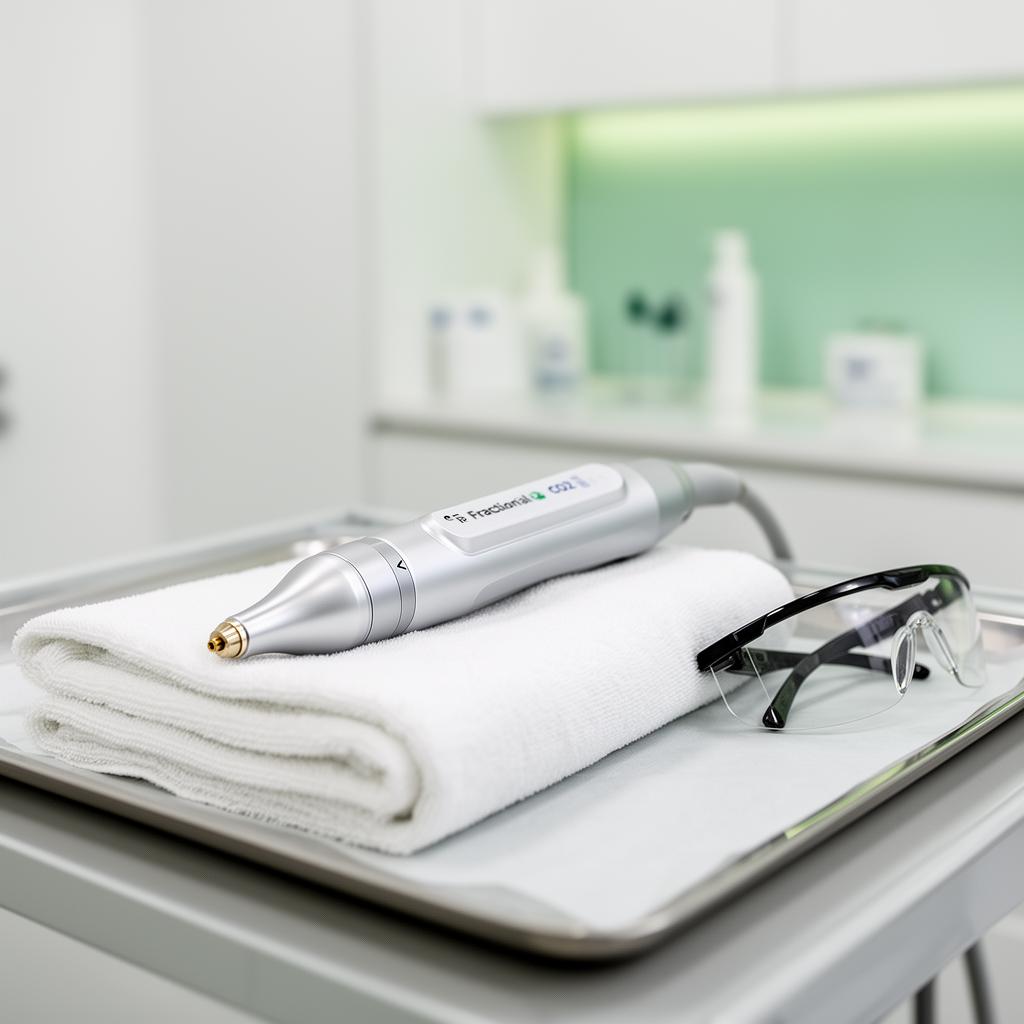
Fractional CO2 laser is one of the most advanced skin resurfacing technologies in modern aesthetic medicine. When used thoughtfully, it can meaningfully improve acne scars, uneven texture, enlarged pores, fine lines, wrinkles and sun damage — concerns that lighter facials and superficial peels simply cannot reach. It works by creating controlled microscopic zones of thermal injury in the skin, which trigger a deep wound-healing and collagen-remodelling response over the following weeks and months. The result, in suitable patients, is smoother, firmer, more refined skin that continues to improve well after the redness has settled.
Looking for treatment details or to book? Session planning, pricing context and consultations are on our main CO2 laser treatment page; this guide focuses on what recovery and results realistically look like.
Because it is a powerful treatment, CO2 laser deserves a careful, medically-led conversation rather than a marketing one. Downtime is greater than with a Hydrafacial in Dubai or a light peel. Settings need to be matched to your skin type. Results take time, and certain scar types respond better than others. This guide is written to explain how fractional CO2 laser actually works, what it commonly treats, how it compares to other skin treatments such as Scarlet S RF Microneedling and Carbon Laser Peel, what recovery realistically looks like, and how we plan and assess patients safely at Silk Clinics.
Table of Contents
- What Is Fractional CO2 Laser?
- How CO2 Laser Works
- What CO2 Laser Commonly Treats
- CO2 Laser for Acne Scars
- CO2 Laser vs Other Skin Treatments
- Downtime & Recovery Expectations
- Who May Be a Good Candidate
- Safety & Skin Assessment Before CO2 Laser
- FAQ
What Is Fractional CO2 Laser?
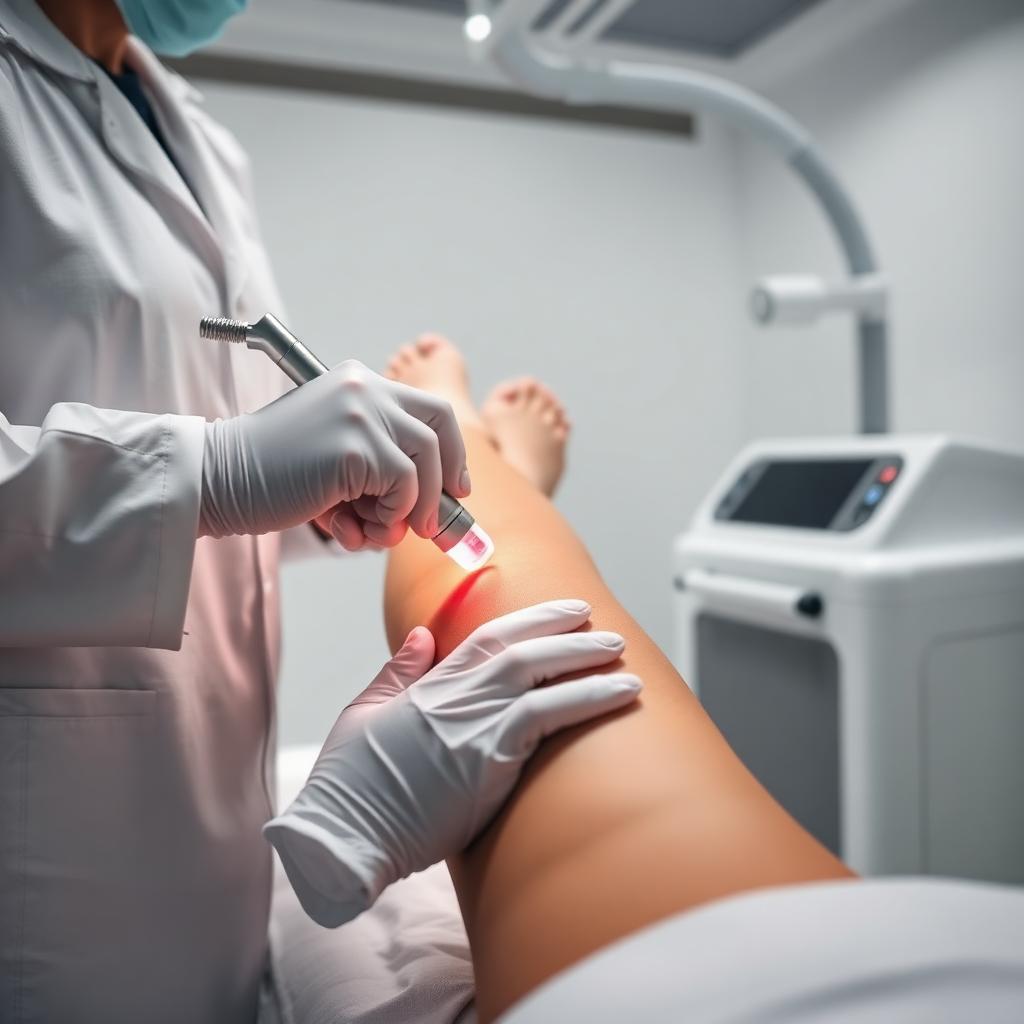
A CO2 laser uses a 10,600 nm wavelength that is strongly absorbed by water in the skin. Older, fully ablative CO2 lasers treated the entire surface in one pass — highly effective, but with significant downtime and a higher risk profile. Fractional CO2 technology was developed to keep the clinical benefits while making the treatment safer and more tolerable. Instead of treating 100% of the surface, the laser delivers energy through a microscopic grid pattern, creating small columns of treated tissue surrounded by zones of untreated, healthy skin.
Those untreated 'bridges' of intact skin are what make fractional resurfacing work. They preserve the skin's natural healing scaffold, allowing the treated columns to repair quickly while the rest of the skin supports recovery. Treatment depth, density and energy can be adjusted by the treating clinician depending on your skin type, the severity of your concern, and how much social downtime you can realistically accept. Not all resurfacing lasers are identical — and not all fractional CO2 protocols are identical either. The same device, set conservatively, behaves very differently from the same device set aggressively.
How CO2 Laser Works
It helps to think of fractional CO2 laser as a structured, repeatable wound-healing process — designed and controlled by your clinician.
- Controlled microthermal zones. The laser creates a precise grid of microscopic columns of thermal injury at a chosen depth.
- Removal of damaged tissue. Old, sun-damaged, scarred or textured surface tissue inside those columns is vaporised.
- Activation of the healing response. The surrounding healthy skin immediately begins repairing the treated columns through the body's natural wound-healing cascade.
- Collagen remodelling. Over the following weeks and months, fibroblasts produce new collagen and elastin, reorganising the deeper layers of the skin.
- Gradual textural refinement. As remodelling continues, scars soften, pores look smaller, fine lines reduce and overall skin quality improves.
Results are not instant. Patients typically see early changes once the redness fades, with continued improvement over three to six months as collagen remodels. For many patients, a single well-planned session delivers a visible improvement; for deeper concerns such as significant acne scarring, two or three sessions spaced months apart are common.
What CO2 Laser Commonly Treats
Fractional CO2 laser is one of the most versatile resurfacing tools in aesthetic medicine. Common indications include:
- Acne scars — particularly atrophic (depressed) scars such as rolling and shallow boxcar scars.
- Enlarged pores — especially on the cheeks, nose and forehead.
- Uneven skin texture — rough, weathered or photoaged skin.
- Fine lines — including periorbital ('crow's feet') and perioral ('smoker's') lines.
- Wrinkles — static lines that remain when the face is at rest.
- Sun damage and photoaging — dull, mottled, sun-weathered skin.
- Skin laxity support — modest tightening alongside resurfacing, as part of a wider plan.
- Surgical or traumatic scars — to soften texture, edges and discolouration.
Full details of how we deliver the treatment itself, including pricing context and session planning, are on our CO2 laser in Dubai treatment page. Because the same device can address several concerns at once, CO2 laser is often used as a 'reset' treatment in a longer-term skin plan, supported between sessions by hydration and skin-quality treatments such as Profhilo in Dubai and routine Hydrafacial in Dubai maintenance. For patients whose primary concern is acne scarring, our broader overview of acne scar treatments in Dubai is a useful companion read.
CO2 Laser for Acne Scars
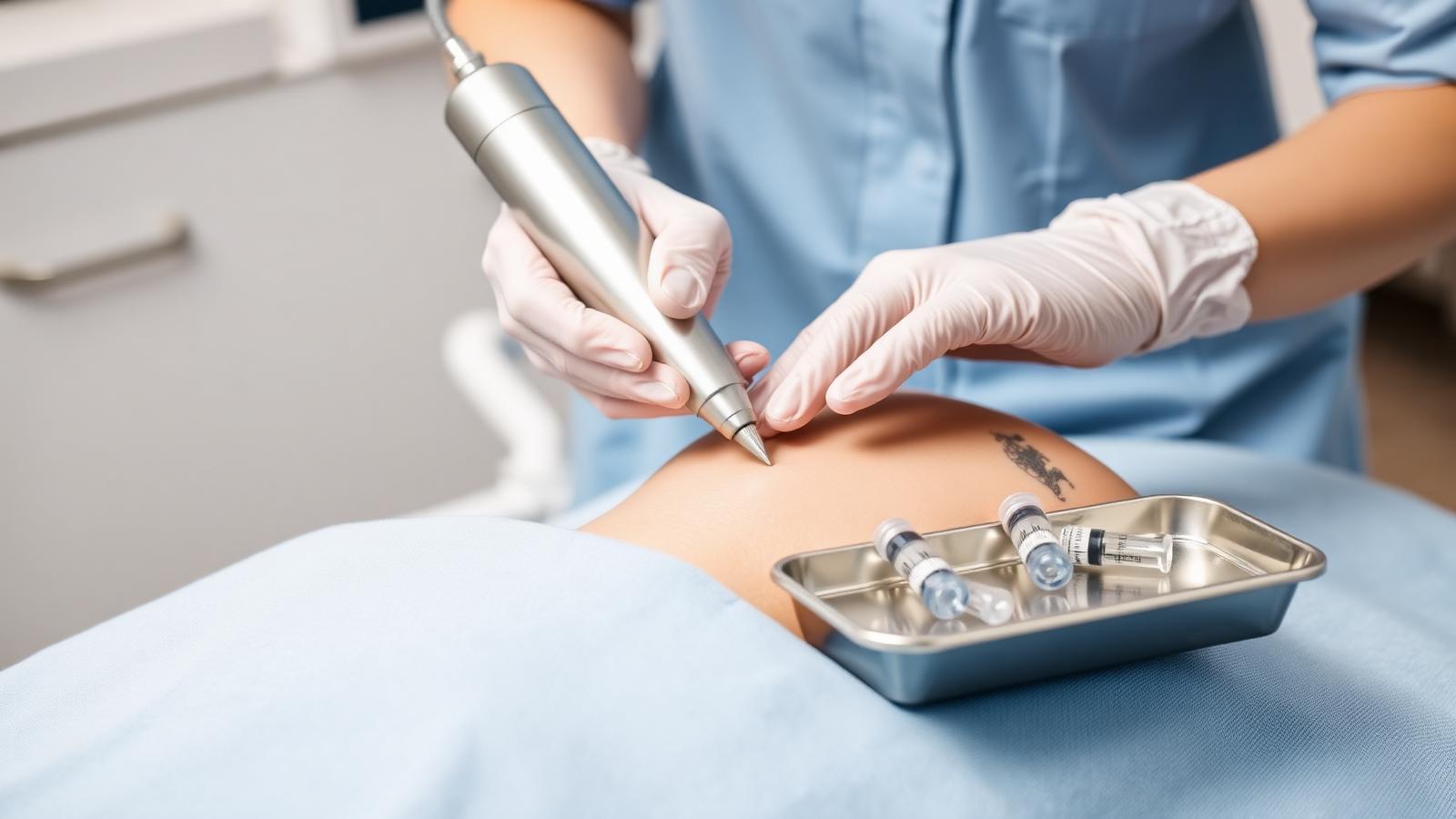
Acne scarring is one of the most common — and most rewarding — indications for fractional CO2 laser. Active acne can leave the skin with a mix of textural and pigmentary changes that creams alone cannot meaningfully resolve. CO2 laser works on the textural component by ablating microscopic columns within the scarred tissue and triggering deep collagen remodelling around them. Over the following months, the scar 'shoulders' soften, the floor of the scar lifts slightly, and the overall surface becomes more even.
Scar response varies significantly by scar type:
- Rolling scars — broad, shallow, with sloping edges — tend to respond well to fractional CO2, particularly over multiple sessions.
- Shallow boxcar scars — wider with more defined edges — often improve meaningfully with resurfacing.
- Deep boxcar scars and ice-pick scars — narrow and deep — frequently respond better to combination strategies, such as CO2 laser alongside Scarlet S RF Microneedling, TCA CROSS, subcision or biostimulator support. Single-modality treatment rarely gives the best outcome for these scar types.
- Hypertrophic and keloid scars — raised, firm — require a different strategy entirely and are usually not first-line indications for fractional CO2.
Most acne-scar patients benefit from a staged plan of two to three sessions, spaced several months apart, with a clear maintenance strategy in between. Results continue to improve for months after the final session as collagen remodels. Realistic expectations matter here: CO2 laser meaningfully improves scarring, but no laser fully erases established acne scars. A doctor-led assessment — booked through our CO2 laser treatment page — is the best way to understand which combination of treatments is most appropriate for your scar pattern. A wider view of options is covered in our guide to the best acne scar treatments in Dubai and across our skin treatments in Dubai menu.
CO2 Laser vs Other Skin Treatments
Different skin concerns are best addressed by different tools — and often by a combination of them. The table below compares fractional CO2 laser with several commonly requested skin treatments at Silk Clinics. It is a clinical comparison, not a ranking: each treatment has a place in a properly structured skin plan.
| Treatment | Downtime | Depth | Texture Improvement | Acne Scar Support | Skin Tightening Support | Oil Control | Recovery Time |
|---|---|---|---|---|---|---|---|
| Fractional CO2 Laser | Higher | Deep ablative + thermal | Strong | Strong (suitable scar types) | Moderate | Low | ~5–7 days social downtime |
| Chemical Peels | Low–moderate | Superficial to medium | Moderate | Light support | Minimal | Moderate | Hours to several days |
| Scarlet S RF Microneedling | Low–moderate | Mid-dermal (RF) | Moderate–strong | Supportive, especially in combination | Moderate | Low | ~1–3 days |
| Carbon Laser Peel | Minimal | Superficial | Mild | Minimal | Minimal | Moderate | Same day |
| Hydrafacial | None | Surface only | Mild | Maintenance only | Minimal | Mild | None |
In practice, many patients do best with a combined plan: CO2 laser to address the deeper textural and scar component, Scarlet S RF Microneedling for collagen remodelling and lighter touch-ups, Carbon Laser Peel for oil and surface refinement on suitable skin types, and ongoing Hydrafacial maintenance to support the long-term result. We deliberately avoid framing any single treatment as universally 'best' — skin and scar patterns are too individual for that.
Downtime & Recovery Expectations
Honest expectations about recovery are part of good treatment planning. Fractional CO2 laser involves a real, visible healing phase. Aggressive settings are not automatically better — for most patients, a well-judged, moderate protocol delivers excellent results with manageable downtime. Typical recovery looks like this:
- Days 1–2. Skin feels warm and tight, similar to a strong sunburn. Pronounced redness and mild swelling, particularly around the cheeks and eyes. Cool compresses, gentle cleansing and a bland barrier cream are usually all that is needed.
- Days 3–5. Bronze or 'sandpaper' appearance as the treated micro-columns prepare to shed. Light flaking and peeling are normal. Itching or tightness can occur and is a sign of active healing.
- Days 5–7. Most patients are presentable for normal social and professional commitments by day 5–7, often with light makeup once the skin has finished peeling.
- Weeks 2–4. Mild residual pinkness can persist; this is easily covered with mineral makeup and continues to settle over the following weeks.
- Months 1–6. Collagen remodelling continues quietly in the background, with progressive improvement in texture, pore appearance and scar smoothness.
Sun protection is non-negotiable during the healing phase and for several weeks afterwards. Recently treated skin is more vulnerable to UV-driven pigmentation. Strict daily SPF, hats and sensible sun behaviour protect the result you have just invested in. Downtime depends heavily on treatment intensity — a lighter resurfacing session may settle within a few days, while a deeper session for significant scarring takes longer to fully recover.
Who May Be a Good Candidate
Fractional CO2 laser tends to be well suited to patients with:
- Atrophic acne scarring, particularly rolling and shallow boxcar scars.
- Generally rough or uneven skin texture.
- Enlarged pores, especially on the central face.
- Visible sun damage and photoaging.
- Fine lines and early-to-moderate wrinkles.
- Realistic time available for a short, planned recovery period.
It is less appropriate — or requires more cautious planning — for patients with active inflammatory acne, active skin infections, very recent isotretinoin use, recent significant sun exposure, certain hyperpigmentation tendencies, or a history of keloid scarring. Certain skin types, particularly Fitzpatrick IV–VI tones common in the UAE, are absolutely treatable with CO2 laser, but require more cautious settings, careful pre- and post-treatment pigment management and an experienced operator. A proper consultation and full skin assessment are essential before any resurfacing plan is committed to.
For patients who want collagen stimulation with shorter recovery, an alternative or staged plan with Scarlet S RF Microneedling, supported by hydration treatments such as Profhilo and ongoing skin treatments in Dubai, is often a sensible route. Patients focused on global skin aging may also find our wider anti-aging treatments in Dubai overview useful when planning.
Safety & Skin Assessment Before CO2 Laser
Safety in CO2 laser resurfacing is not a marketing line — it is built into the assessment and the protocol. A responsible plan begins long before the laser is switched on.
- Skin type evaluation. Fitzpatrick scoring determines which energies, densities and pre-treatment regimens are appropriate. Darker skin types require more conservative settings and dedicated pigment-management strategies.
- Pigmentation risk assessment. A history of melasma, post-inflammatory hyperpigmentation or sun-driven pigmentation changes the risk profile and may require pre-treatment with pigment-modulating skincare.
- Medical history review. Active infections (including cold sores), uncontrolled inflammatory skin disease, recent isotretinoin use, certain medications and pregnancy can all postpone or modify treatment.
- Sun exposure history. Recently tanned or sun-exposed skin meaningfully increases the risk of pigmentary side effects. Sessions are planned around sun exposure, not the other way around.
- Realistic goal-setting. Conservative, well-judged settings combined with a staged plan typically outperform aggressive single sessions on both safety and final result.
- Post-care compliance. The result of a CO2 laser session is shaped as much by what happens in the days afterwards as by the session itself — cleansing, barrier support, photoprotection and avoiding picking the skin are all part of the treatment.
Professional treatment planning, conservative initial settings, individualised parameters and clear aftercare reduce the risk of complications such as prolonged redness, post-inflammatory hyperpigmentation, infection or scarring. Underlying medical or hormonal factors that affect skin and healing are worth understanding too — our overview of medical conditions affecting skin and hair is a useful companion read for patients with complex backgrounds.
Choosing CO2 Laser at Silk Clinics in Dubai Healthcare City
At Silk Clinics in Dubai Healthcare City, every CO2 Laser session is individually mapped after a full skin and medical assessment. Settings, depth and density are matched to your skin type, your concern and your downtime tolerance — not to a generic package. Regenerative aftercare such as Exosome Therapy or PRP / PRF Face is sometimes added to support healing and skin quality, and longer-term plans are built around your overall anti-aging and skin treatment goals.
The aim is straightforward: meaningful, lasting improvement in skin texture, scarring and quality — delivered through a careful, doctor-led plan rather than a single aggressive session. Safety first, beauty always.
Personalized Skin Plan
Not sure which treatment is right for you?
Answer 9 quick questions and get a doctor-designed pathway — with realistic timelines, downtime and session counts for your skin.
Browse the category
Explore all Laser Treatments in DubaiPremium laser treatments in Dubai using advanced FDA-cleared platforms for hair removal, pigmentation, skin rejuvenation, vascular concerns and resurfacing.
Treatments mentioned in this guide
Book a consultation
Considering CO2 Laser Recovery & Results Guide in Dubai?
Our DHA-licensed doctors at Dubai Healthcare City will assess your concern and build a personalised, transparent plan — no obligation, no pressure.
Frequently asked questions
What does CO2 laser help treat?
Is CO2 laser good for acne scars?
How long is recovery after CO2 laser?
View more frequently asked questions (5)
Does CO2 laser hurt?
How many sessions are needed?
Can CO2 laser tighten skin?
Is CO2 laser suitable for all skin types?
What should I avoid after treatment?
About the author
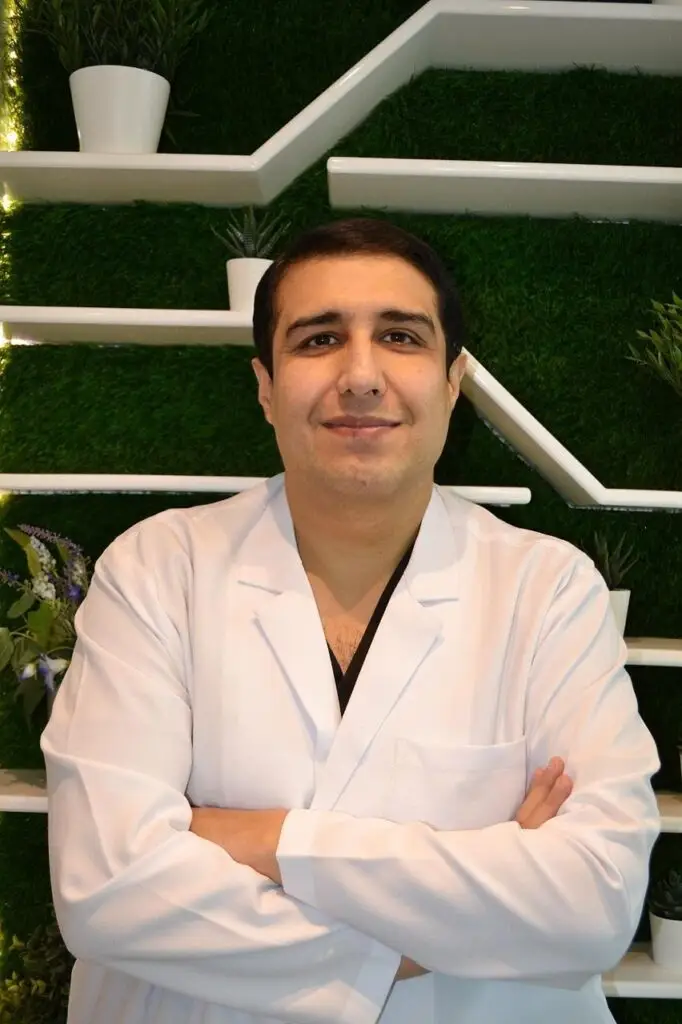
Medical Director — Aesthetic & Regenerative Medicine
Leading Silk Clinics with years of experience in aesthetic medicine, Dr Ahmad Sadeqyar oversees clinical excellence across all departments and personally treats complex aesthetic cases.
- MD — Aesthetic Medicine
- Advanced Diploma in Regenerative Therapy
- Member, IMCAS
Medically reviewed by Dr Suzanne Haddad — Aesthetic Doctor, Injectables & Skin.