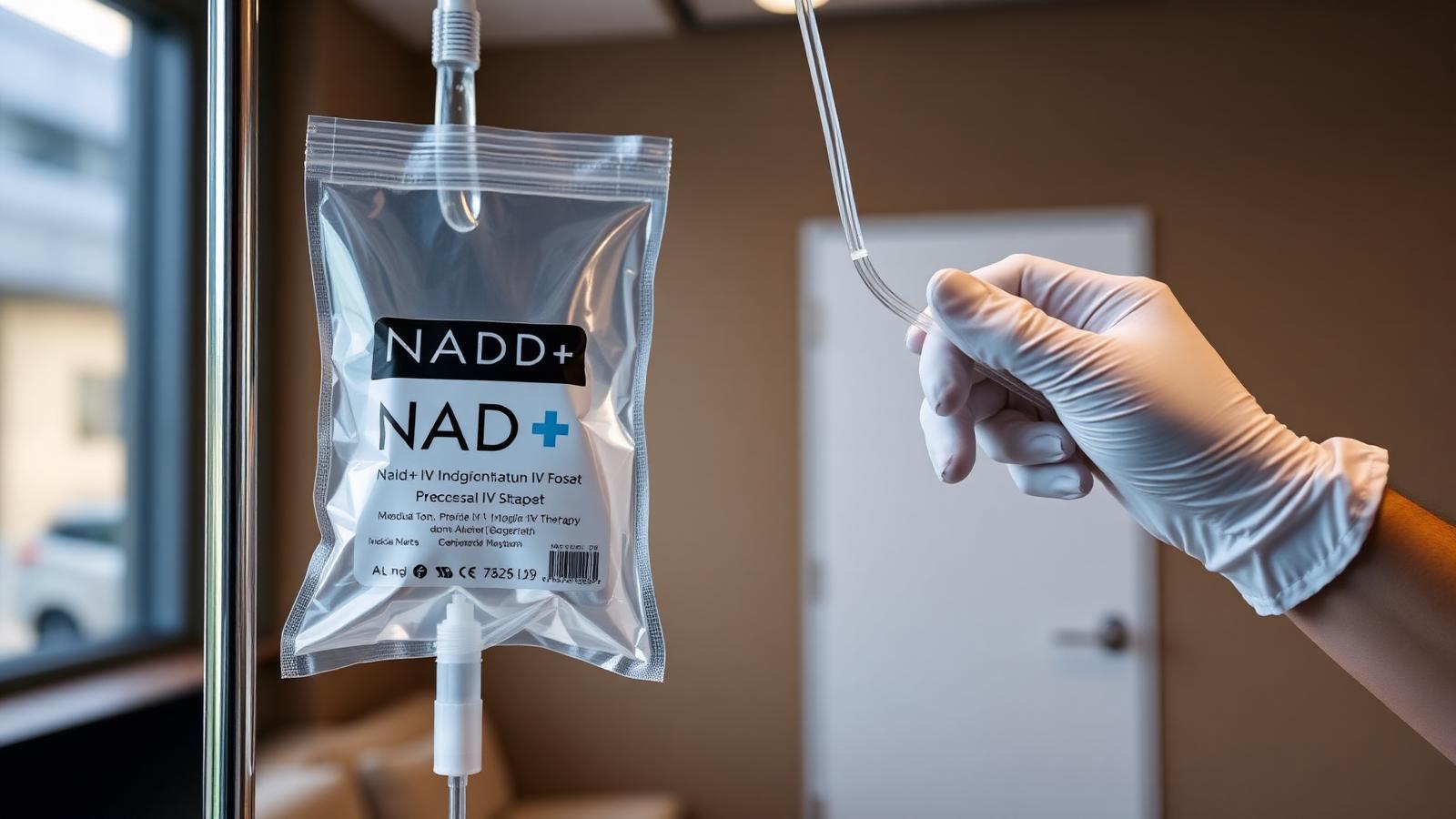
NAD+ IV therapy is one of the most-asked-about wellness protocols in Dubai — and one of the most oversold. Search results promise 'anti-aging in a drip', 'cellular reset in an afternoon' and 'reverse biological age at lunchtime'. None of that is honest. What NAD+ IV therapy actually does, in a properly supervised medical setting, is more grounded and — for the right patient — genuinely useful. This guide is a doctor-led explanation of what the science supports, what a session looks like at Silk Clinics in Dubai Healthcare City, who benefits, and where the promises stop and the evidence begins.
It is worth being upfront: we do not describe NAD+ as an anti-aging cure or a lifespan-extending therapy. UAE healthcare advertising standards do not permit those claims, and — more importantly — the evidence does not support them. What we can honestly say is that NAD+ is a molecule with a well-understood role in cellular metabolism, and that IV supplementation may support energy, recovery and general wellbeing in patients whose baseline levels are low. Everything below sits inside that honest frame.
Table of contents
- What NAD+ is and what it does in the cell
- Why NAD+ declines with age and stress
- What NAD+ IV therapy is trying to achieve
- Who tends to feel a real benefit
- What the current evidence supports — and what it does not
- Our clinical protocol at Silk Clinics
- What a session actually feels like
- Safety, side effects and who should defer
- Sensible combinations: glutathione, vitamin C, IV vitamins, regenerative aesthetics
- Doctor-reviewed FAQ
What NAD+ is and what it does in the cell
Nicotinamide adenine dinucleotide — NAD+ — is a coenzyme found in every cell of the human body. It is not an optional supplement molecule; it is essential to life. NAD+ sits at the centre of two fundamental cellular processes: energy production (specifically, the transfer of electrons in the mitochondria that ultimately generates ATP) and DNA repair (as a critical substrate for enzymes such as sirtuins and PARPs that maintain cellular integrity).
In practical terms, NAD+ is what allows the mitochondria — the small energy factories inside each cell — to convert the fuel from food into usable cellular energy. When NAD+ is in short supply, cellular energy production is less efficient, and DNA-repair enzymes have less of the substrate they need to do their maintenance work. Every organ system depends on this coenzyme, which is why NAD+ has attracted so much scientific and clinical interest.
Why NAD+ levels change with age and stress
Available human data suggests that intracellular NAD+ concentrations tend to decline with age. The reasons are multifactorial: increased consumption by DNA-repair enzymes responding to lifetime accumulated damage, reduced activity of NAD+-synthesising pathways, and increased degradation by certain enzymes. Chronic stress, poor sleep, heavy alcohol use, chronic inflammation, and severe illness can all push NAD+ demand up and supply down. In some patients, symptoms consistent with low cellular energy — fatigue, foggy thinking, slow recovery from exercise or illness — track with lifestyles that biochemically stress this system.
It is important to state clearly what this does not mean. Restoring NAD+ levels has not been shown to reverse aging, extend lifespan or cure age-related disease in humans. The best-evidenced statement is more modest: NAD+ appears to be a coenzyme that healthy cells need, that tends to be lower under stress and age, and that can be supplemented under medical supervision when clinically appropriate. That is the frame in which NAD+ IV therapy sits.
What NAD+ IV therapy is trying to achieve
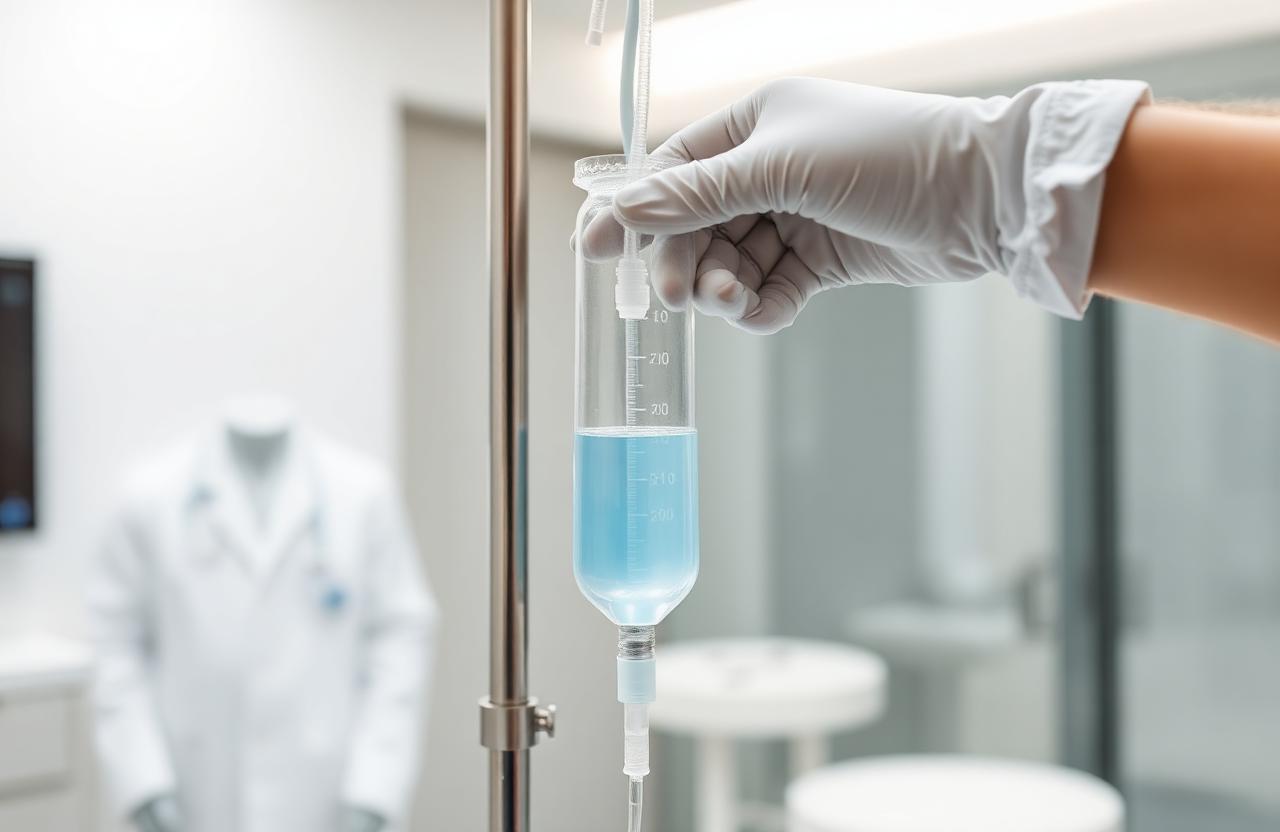
Oral NAD+ supplements are absorbed poorly and largely degraded before they reach the bloodstream, which is why IV administration is the route used in clinical protocols. An NAD+ IV therapy infusion delivers NAD+ directly into the circulation, bypassing gut absorption and making the coenzyme available for cellular uptake.
What we are trying to achieve, clinically, is straightforward: supply the raw material that supports normal mitochondrial function and DNA-repair pathways, in a controlled dose, under medical supervision. Patients most commonly report improvements in day-to-day energy, mental clarity, recovery from exertion or jet lag, sleep quality and general sense of wellbeing over a course of infusions. These are patient-reported outcomes, and they matter — but they are not the same as proof of anti-aging.
Who tends to feel a real benefit
In our clinic in Dubai Healthcare City, the patients who most consistently report a meaningful benefit share a similar profile: high-demand executives and clinicians with chronic sleep deprivation, athletes recovering from intensive training blocks, patients recovering from viral illness or long-COVID-type fatigue where organic disease has been excluded, frequent long-haul travellers dealing with sustained jet lag, and health-conscious adults over 40 who describe a gradual loss of stamina and mental sharpness that is not explained by an identifiable medical condition.
In each case, the workup is important. Before we recommend NAD+ IV therapy, we assess general health and, when indicated, screen bloods — full blood count, iron studies, thyroid function, vitamin D, B12, HbA1c, and inflammatory markers where relevant. Fatigue is one of the least specific symptoms in medicine. Injecting NAD+ into a patient with an unrecognised thyroid problem, a nutritional deficiency, or an inflammatory disease is treating a symptom while missing the diagnosis.
What the current evidence supports — and what it does not
The evidence base for NAD+ and its precursors is legitimate, actively evolving, and — importantly — more modest than marketing narratives suggest. Pre-clinical and early human studies suggest that raising NAD+ availability may support mitochondrial function and various markers of cellular metabolism, and small clinical studies have examined precursors such as NR (nicotinamide riboside) and NMN (nicotinamide mononucleotide) with varied results. Direct IV NAD+ has been reported in wellness settings for symptom-based indications, and clinical experience in Dubai and internationally is broadly consistent with the biochemical rationale.
What the evidence does not currently support is any claim that NAD+ IV therapy extends lifespan, cures disease, reverses biological age or replaces medical treatment for a diagnosed condition. Any clinic in Dubai making those claims is stepping outside both the evidence base and UAE healthcare advertising standards. Our position is deliberate: honest positioning, based on what the science actually shows, protects the patient and the credibility of the therapy.
Our clinical protocol at Silk Clinics
Consultation and screening. Every patient considering NAD+ IV therapy has a proper medical consultation with a doctor first. We take a full history, screen bloods where indicated and confirm there is no unrecognised medical condition driving the presenting complaint.
Dose selection. NAD+ IV doses are titrated to the individual — starting lower and building up in subsequent sessions is standard, because the coenzyme is more comfortably tolerated at slower infusion rates and moderate doses. We do not chase headline doses used elsewhere for marketing effect.
Infusion time. A typical NAD+ infusion runs slowly over 2–4 hours depending on dose and tolerance. Rapid infusions are more likely to cause the flushing, chest tightness and abdominal discomfort that give NAD+ its uncomfortable reputation — slow is genuinely better.
Course structure. For most wellness-oriented indications, we plan a short induction course (typically 3–5 sessions over 2–3 weeks) followed by maintenance every few months, adjusted to how the patient actually responds.
Monitoring. Vital signs are monitored throughout the infusion by a trained nurse under doctor supervision, in a licensed clinical setting — not in a hotel room or a shopping-mall pop-up.
What an NAD+ IV session actually feels like
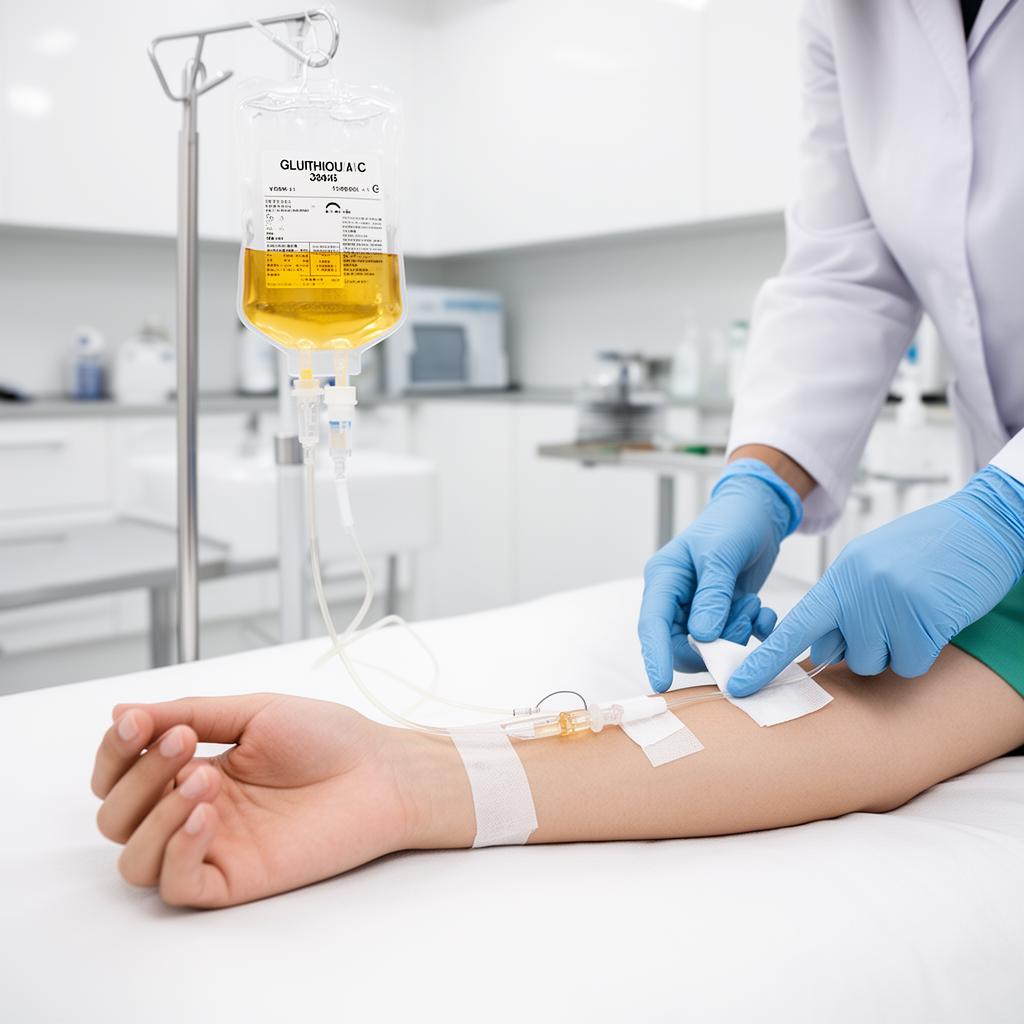
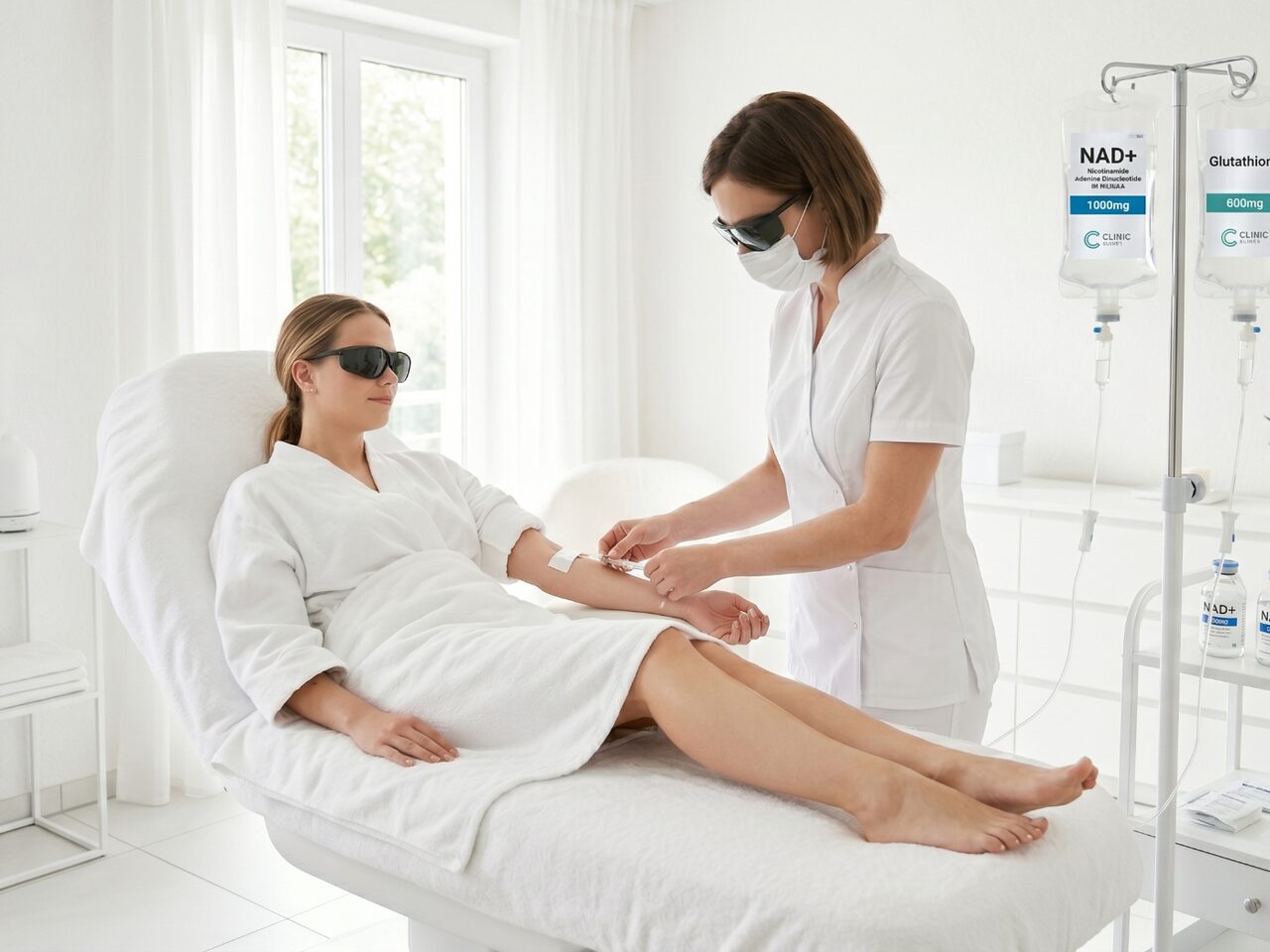
Patients arrive, are consented and cannulated, and settle into a reclining treatment chair. The infusion is titrated gently. Most patients read, work, watch something or nap through the session. Common transient sensations at the higher end of a dose include a warm flush, a feeling of chest pressure, and short-lived abdominal tightness — these are dose- and speed-dependent, resolve within a minute or two by slowing the infusion, and are not dangerous. Discomfort is largely avoidable with sensible dosing.
Most patients describe the days after an infusion as noticeably clearer and more energetic, particularly by the second or third session. Some feel it immediately; others feel it cumulatively across a course. A minority notice no subjective change — and we say so honestly at consultation, because expecting universal, dramatic response is neither realistic nor supported by evidence.
Safety, side effects and who should defer
For eligible adults, NAD+ IV therapy is generally well tolerated. Transient effects — mild flushing, brief chest tightness, mild nausea and short-lived abdominal discomfort — are almost always dose- and speed-dependent and resolve promptly with rate adjustment.
Treatment is typically deferred or avoided in pregnancy and breastfeeding, in patients with significant cardiovascular disease without specialist clearance, in patients with active infection or fever, and in patients with allergies or specific medical contraindications identified at consultation. Interactions with certain medications need to be considered, which is why the consultation is a real clinical assessment rather than a checkbox.
Sensible combinations
For patients focused on general wellbeing and skin quality, we often plan NAD+ alongside a glutathione IV with vitamin C for antioxidant support and a personalised IV vitamin therapy protocol addressing any deficiencies identified on blood work. Patients working on skin quality may also combine cellular wellness with regenerative aesthetic care such as PRP / PRF Face — the two work through different mechanisms but sit comfortably in the same overall plan. For a wider view of our approach in this area, our Cellular Wellness Program and longevity clinic in Dubai pages are useful companion reads.
The honest bottom line
NAD+ IV therapy is a legitimate, medically supervised infusion of an essential coenzyme that most cells in the body depend on. In the right patient — properly assessed, appropriately dosed, and honestly counselled — many report a real, useful improvement in energy, clarity, recovery and general wellbeing. It is not an anti-aging cure. It is not a lifespan-extending treatment. It is a considered part of a wider healthy-aging plan, and that is exactly how it should be positioned.
Personalized Skin Plan
Not sure which treatment is right for you?
Answer 9 quick questions and get a doctor-designed pathway — with realistic timelines, downtime and session counts for your skin.
Browse the category
Explore all Wellness & IV Therapy in DubaiIV drips and wellness therapy in Dubai — from NAD+ and glutathione to vitamin and immunity infusions, prescribed and delivered by qualified medical professionals.
Treatments mentioned in this guide
Book a consultation
Considering What Does NAD+ IV Therapy Actually Do? in Dubai?
Our DHA-licensed doctors at Dubai Healthcare City will assess your concern and build a personalised, transparent plan — no obligation, no pressure.
Frequently asked questions
What does NAD+ IV therapy actually do?
How long does an NAD+ IV infusion take?
Is NAD+ IV therapy safe?
View more frequently asked questions (6)
How many sessions will I need?
Does NAD+ IV therapy reverse aging?
Can I take oral NAD+ instead?
When will I feel the benefit?
Can I combine NAD+ with glutathione and vitamin C?
Do I need blood work before NAD+ IV therapy?
About the author
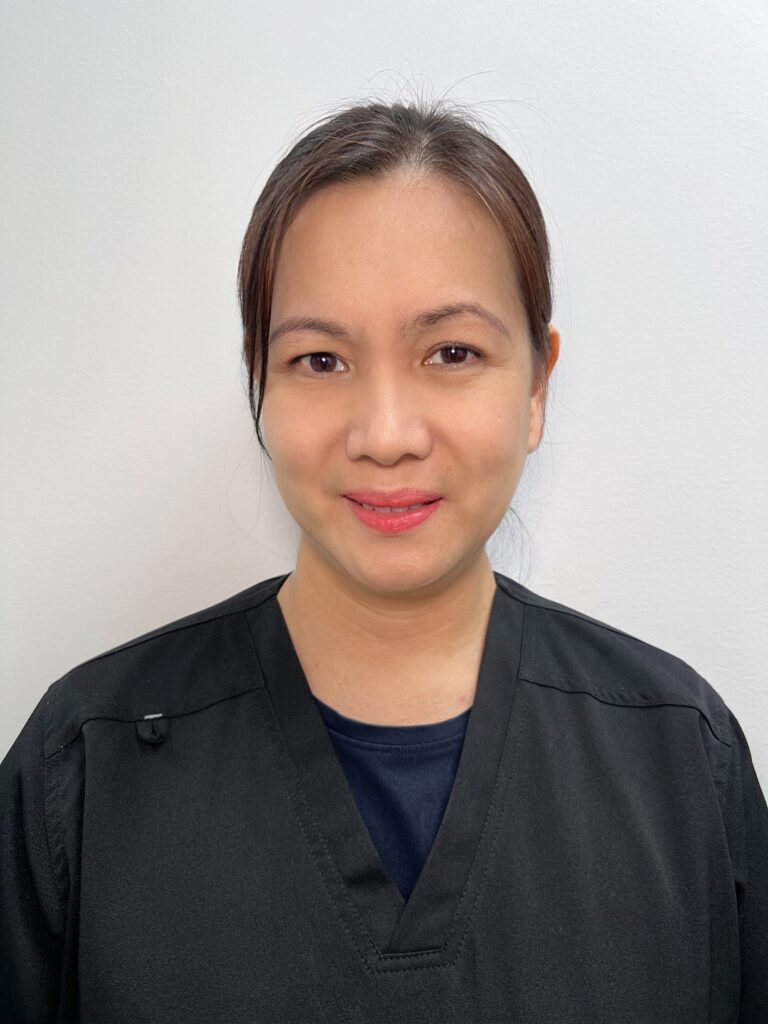
Head Nurse — Laser Treatments & Aesthetics
An experienced clinical nurse leading our nursing team, Noemi is DHA-certified in Laser Treatments and Aesthetics. She ensures every procedure is delivered safely, precisely and with the highest standard of patient care.
- Registered Nurse (BSN)
- DHA Certified — Laser Treatments
- DHA Certified — Aesthetic Procedures
Medically reviewed by Dr Ahmad Sadeqyar — Medical Director, Aesthetic & Regenerative Medicine.