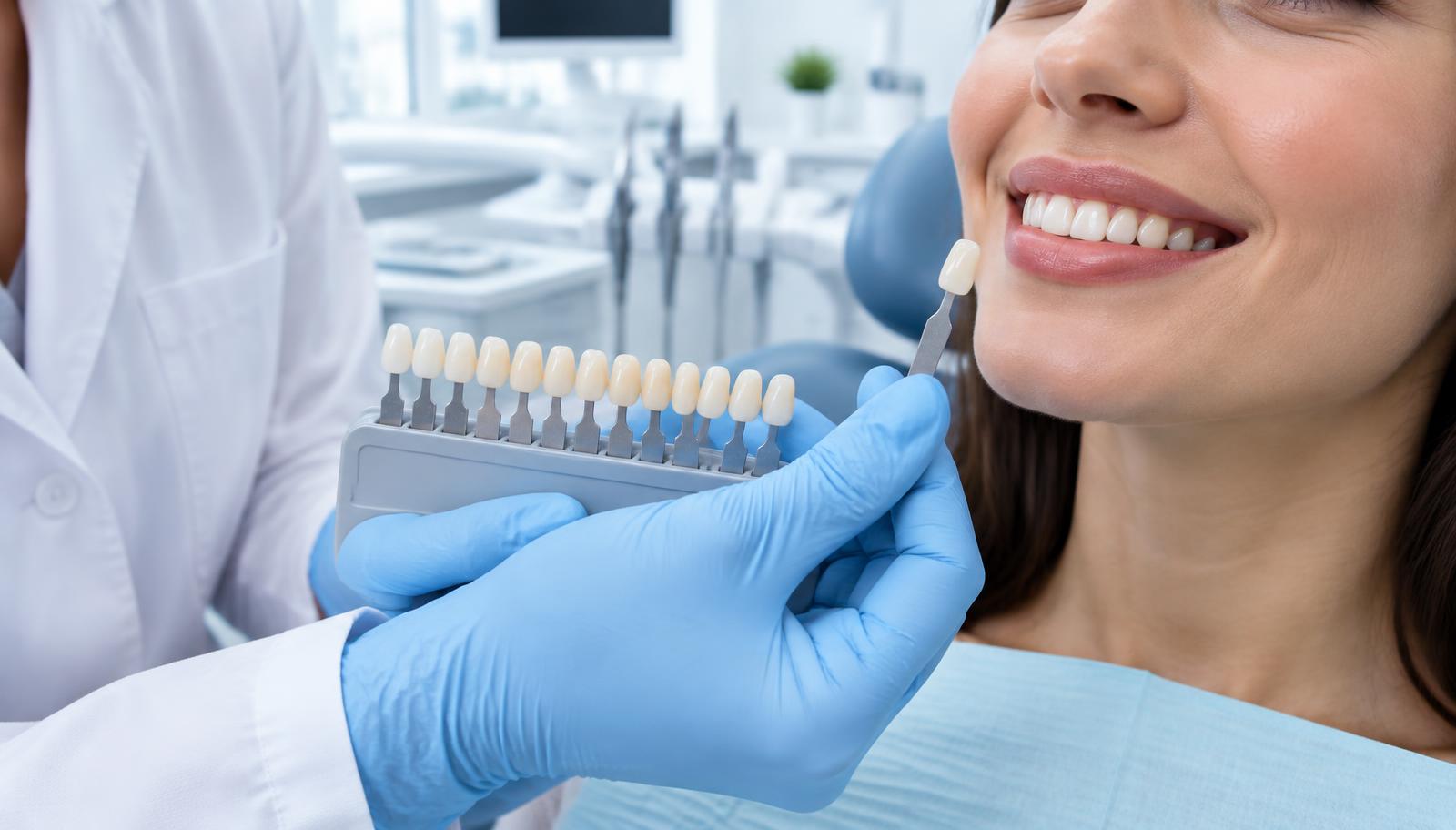
'How long do veneers last?' is the single most common question we hear at consultations for cosmetic dentistry in Dubai — and rightly so. Veneers are a significant investment in the way a smile looks and functions, and no serious patient makes that decision without understanding what they are actually buying in terms of longevity. This guide is a doctor-reviewed answer to the question, written by our prosthodontists at Silk Clinics in Dubai Healthcare City, based on how porcelain and composite veneers actually perform over time in real patients.
Rather than lead with a headline number, we will start with the honest short answer, then explain what drives it. Porcelain veneers typically last 10–15 years in well-selected patients with good habits, and can last considerably longer with disciplined maintenance. Composite (direct) veneers typically last 5–7 years before they need meaningful refresh or replacement, though they can be repaired and polished repeatedly along the way. Those numbers are averages, not guarantees. Longevity is shaped by material choice, how the veneers are designed and bonded, the underlying bite, oral hygiene, habits like grinding, and how well the patient partners with the dentist over the years that follow.
Table of contents
- Porcelain vs composite: two different lifespans
- What actually causes a veneer to fail
- Bite, bruxism and the role of a night guard
- Oral hygiene and the gum line
- Coffee, red wine, curry: staining honestly explained
- Design and bonding technique — the hidden variable
- What happens at the 10-year mark
- When repair, replacement or upgrade is the right call
- How to actually maximise the life of your veneers
- Doctor-reviewed FAQ
Porcelain vs composite: two different lifespans
Not all veneers are the same product, and the two families have genuinely different longevity profiles. Porcelain veneers — usually lithium disilicate (e.max) or feldspathic porcelain — are fabricated in a dental laboratory from custom impressions or intra-oral scans and bonded to the tooth in a second appointment. They are strong, highly stain-resistant, and biologically well tolerated by the gum tissue. In our experience, and consistent with the wider dental literature, well-planned porcelain veneers last on average 10–15 years, with a meaningful proportion still functioning well beyond that when the patient's bite and hygiene are on their side.
Composite veneers are sculpted directly onto the tooth in a single visit, layer by layer, using tooth-coloured resin. They are more conservative, more affordable, and repairable — a chipped composite can usually be re-bonded rather than replaced entirely. Their typical functional lifespan is 5–7 years before they need substantial refresh, though ongoing polishing visits stretch that considerably. Composite is more porous than porcelain, which means it picks up stain more readily and needs more maintenance to keep looking fresh.
For a fuller comparison between the two families of veneer and where each is the right tool, our doctor-led guide on composite bonding vs veneers in Dubai is a useful companion read, alongside our veneers vs crowns comparison for patients weighing a wider restorative plan.
What actually causes a veneer to fail
It is useful to be specific about what 'failure' means for a veneer, because the word covers several very different clinical situations.
Debonding. The veneer separates from the underlying tooth. Modern adhesive dentistry has made debonding uncommon when the bonding protocol is followed carefully, but it does happen — most often when the veneer is subjected to sudden lateral force from grinding, biting into something hard, or a poorly balanced bite.
Chipping or fracture. A small chip at the incisal edge of a porcelain veneer is usually repairable with composite; a fracture through the body of the veneer typically requires replacement. Composite veneers chip more readily but are much easier to repair chairside.
Marginal staining. A dark line at the gum edge, often driven by microleakage at an old bonded margin. This is a cosmetic failure rather than a functional one and is one of the most common reasons patients ask about replacement at the 10-year mark.
Gum recession exposing the margin. Over years, natural gum recession can reveal the underlying tooth-veneer interface. The veneer is still functionally intact, but the aesthetic result changes.
Secondary decay. Decay under a veneer margin is uncommon when oral hygiene is good, but not impossible. It typically requires removal of the veneer, repair of the underlying tooth, and a new veneer or crown.
Understanding these failure modes matters because they are largely preventable. Longevity is not a lottery — it is the sum of the design, the bonding, the bite, the hygiene and the habits.
Bite, bruxism and the role of a night guard
The single biggest predictor of premature veneer failure in our clinic is undiagnosed or untreated bruxism — the habit of clenching or grinding the teeth, usually at night. Bruxism can generate lateral forces on the front teeth well beyond anything porcelain is designed to tolerate on a regular basis. Patients who grind and do not wear a properly fitted night guard are far more likely to see chipped, fractured or debonded veneers within a few years.
Part of good veneer planning is a proper bite assessment before treatment begins. If we identify parafunctional wear, we plan around it — often by fitting a custom night guard as part of the treatment package, adjusting occlusal design so the veneers do not carry lateral load, and being honest with the patient that lifelong night-guard wear is not optional. This single conversation, done at the right time, is often what separates 15-year veneers from 5-year veneers.
Oral hygiene and the gum line
Veneers do not remove the need for meticulous oral hygiene — if anything, they raise the stakes. Plaque accumulation at the veneer margin drives gum inflammation, which drives gum recession, which reveals the tooth-veneer interface and shortens the aesthetic life of the restoration. Daily brushing with a soft brush, daily flossing or interdental cleaning, and professional hygiene visits at 6-month intervals are the routine we ask every veneer patient to commit to.
This is also where solid general dentistry care matters. A veneer is only ever as good as the tooth underneath and the gum around it. Ongoing check-ups, cleaning, cavity control and periodontal care are what protect the underlying biology.
Coffee, red wine, curry: staining honestly explained
Porcelain is highly stain-resistant. The porcelain itself will not discolour meaningfully over 10–15 years even with regular coffee, tea, red wine and pigmented food. The realistic concern with porcelain is stain accumulation at the bonded margin over time, which is a cosmetic issue rather than a structural one and is manageable with polishing and, eventually, marginal refresh.
Composite is a different story. Composite resin is more porous and picks up chromogenic stain more readily. Coffee, tea, red wine, dark berries, curry, tobacco and long-term chlorhexidine mouthwash use all accelerate composite discolouration. This is why we ask composite veneer patients to attend a professional polishing visit every 6–12 months — that visit alone significantly extends the aesthetic life of composite work. Some patients refresh their overall shade with periodic teeth whitening on the natural teeth to keep the veneers and the surrounding dentition well matched.
Design and bonding technique — the hidden variable
Two identical porcelain veneers, delivered by two different clinicians, can have very different lifespans. The variables that patients rarely see include the accuracy of the intra-oral scan or impression, the amount of enamel preservation during preparation (bonding to enamel is significantly more durable than bonding to dentine), the emergence profile at the gum margin, the accuracy of the try-in, the isolation protocol during bonding, and the specific adhesive chemistry used.
This is not a criticism of any particular technique — it is a reminder that veneers are technique-sensitive work. When patients ask what makes veneers last, the honest answer is: the diagnosis, the plan, the preparation, the fabrication and the bonding — every step done well, in sequence, without shortcuts. For patients approaching veneers as part of a wider Hollywood smile design or considering clear aligners first to reposition teeth before veneering, sequencing matters as much as material.
What happens at the 10-year mark
For most well-planned porcelain veneers, the 10-year mark is not the end — it is a review point. At 10 years, a typical set of well-maintained porcelain veneers may look almost as they did on day one, with only subtle margin changes noticeable on close clinical examination. In others, gum recession or margin staining is visible enough that the patient asks about refresh. In a smaller number, one or two units may have chipped or debonded over the years and been repaired or individually replaced.
This is normal. Veneers, like any restoration, sit inside a mouth that continues to change: gums remodel, natural teeth wear, muscles of the bite change with age, other dental work is added over time. Sensible long-term planning frames veneers as a durable, high-quality restoration that will need review and, eventually, refresh — not as a permanent, unchanging structure.
When repair, replacement or upgrade is the right call
There is no universal answer to 'should I replace my veneers now?' — but there is a sensible framework. A single chipped porcelain veneer is often repairable with a well-placed composite addition, buying years of additional function. Marginal staining on one or two units can sometimes be improved with margin refresh rather than full replacement. Composite veneers can typically be polished and augmented several times before the case as a whole needs upgrading to porcelain.
Full-arch replacement usually enters the conversation when several units are aging together, when the underlying dentition has changed enough that a fresh plan is warranted, or when the patient wants to change the overall design (shape, shade, length). We approach these as new treatment plans, not as automatic upgrades — often with digital smile design, a wax-up and a temporary phase so the patient can see and approve the new design before committing.
How to actually maximise the life of your veneers
The practical checklist we give patients on the day their veneers are bonded:
- Wear the night guard, every night, for life, if bruxism has been identified.
- Brush twice daily with a soft brush and fluoride toothpaste; use an electric brush if that improves consistency.
- Floss or clean interdentally every day — plaque control at the veneer margin is the single most protective daily habit.
- Attend 6-monthly hygiene and check-up appointments — non-negotiable.
- Avoid biting hard objects — pens, ice, hard nuts, fingernails, packaging.
- Never use teeth as tools — opening bottles, tearing tape or packages.
- Manage staining habits sensibly — porcelain tolerates coffee and wine; composite prefers moderation and regular polishing.
- Report early problems early — a small chip caught early is a chairside repair; a large fracture missed is a replacement.
For patients also considering broader dental improvements alongside veneers, our overviews of dental treatments in Dubai and Hollywood smile design walk through how a complete cosmetic and functional plan comes together.
The honest bottom line
Porcelain veneers commonly last 10–15 years in well-selected patients, and can last considerably longer with disciplined maintenance. Composite veneers commonly last 5–7 years before meaningful refresh. Neither number is a guarantee, and neither is a ceiling — both are the average result of good planning, careful bonding and patient partnership over time. Longevity is not sold; it is earned, together, year by year.
Veneer longevity also depends on how the smile is designed in the first place — our article on natural-looking veneers and the 2026 smile trend covers why conservative planning is gaining ground.
Personalized Skin Plan
Not sure which treatment is right for you?
Answer 9 quick questions and get a doctor-designed pathway — with realistic timelines, downtime and session counts for your skin.
Browse the category
Explore all Dental Treatments in DubaiCosmetic and general dentistry in Dubai Healthcare City — veneers, Hollywood Smile, whitening, clear aligners and full-mouth dental care delivered by experienced specialists.
Treatments mentioned in this guide
Book a consultation
Considering How Long Do Veneers Last? Dental Guide in Dubai?
Our DHA-licensed doctors at Dubai Healthcare City will assess your concern and build a personalised, transparent plan — no obligation, no pressure.
Frequently asked questions
How long do porcelain veneers last?
How long do composite veneers last?
What is the main reason veneers fail early?
View more frequently asked questions (6)
Do veneers stain over time?
Can veneers be repaired instead of replaced?
What happens to veneers at the 10-year mark?
Do I still need to brush and floss around veneers?
Are veneers permanent?
Can I whiten my teeth after veneers?
About the author

Prosthodontist — Veneers, Crowns & Smile Design
A specialist in prosthodontics, Dr Karishma Mayer leads complex smile design, veneers and full-mouth rehabilitations.
- BDS
- MDS — Prosthodontics
- Smile Design Certified
Medically reviewed by Dr Ahmad Sadeqyar — Medical Director, Aesthetic & Regenerative Medicine.