Botulinum toxin treatment takes minutes, and most patients walk out and carry on with their day. That is exactly why aftercare gets skipped — there is no dressing, no downtime and very little to remind you that a prescription medicine has just been placed into specific muscles. The first 48 hours still matter, because that is the window in which the product is settling into the muscles it was mapped to.
This guide sets out what we ask patients to do at Silk Clinics in Dubai Healthcare City, why each instruction exists, and how to adapt it to a Dubai lifestyle of gyms, heat, hammams and long-haul flights. Your own clinic's instructions take precedence — follow the plan given to you in person. Full treatment detail, areas and assessment are covered on our Botox in Dubai page.
The first four hours
Stay upright. Avoid lying flat, face-down massage or anything that presses on the treated areas for the rest of the day. The reasoning is simple: pressure and gravity can influence how the product distributes before it has settled, and the aim is to keep it in the muscles the doctor mapped.
Gentle facial movement is fine and, in some clinics, encouraged in the first hour — frowning, raising the brows and smiling normally. What we ask you to avoid is deliberate rubbing, firm massage or wearing anything tight across the forehead such as a headband, cap or swimming goggles.
Makeup is usually best left off for the first few hours to allow the tiny injection points to close. When you do apply it, use clean brushes and a light touch rather than firm buffing.
The first 48 hours
- No intense exercise. Skip the gym, running, hot yoga and heavy lifting. Increased circulation and the head-down positions common in training are both worth avoiding for two days. Gentle walking is fine.
- No saunas, steam rooms, hammams or very hot showers. Heat increases blood flow to the face and can also worsen any minor swelling or bruising.
- No facials, microneedling, laser, massage or dermaplaning. Any treatment that manipulates or heats the treated area should wait. If you have a facial booked, move it — your clinic can advise on the right gap.
- Limit alcohol. Alcohol dilates blood vessels and makes bruising more likely, which is the most common minor complaint after injectables.
- Sleep on your back if you can, for the first night in particular.
Flying, heat and Dubai-specific questions
Flying after treatment is generally not a problem, but two practical points matter. Cabin pressure and long periods of sitting can make mild swelling more noticeable, and sleeping face-down against a window on a long-haul flight is exactly the pressure we ask you to avoid. Where possible, allow a day between treatment and a long flight, and treat well before a wedding, shoot or major event rather than the week of it.
Dubai's heat is the other recurring question. Ordinary time outdoors is fine; sustained heat exposure such as a sauna, a hammam session or an afternoon in direct sun is what we ask you to postpone for a couple of days. Daily broad-spectrum SPF remains part of any facial aesthetic plan regardless of treatment.
Bruising, bumps and small marks
Tiny raised bumps at the injection points are normal and usually settle within 15 to 30 minutes. Pinprick redness is common. Bruising happens sometimes — more often around the eyes, where the skin is thin and vessels are superficial — and it is a cosmetic nuisance rather than a complication. Cool compresses (resting gently, not pressed or rubbed) and arnica are commonly used, and concealer is fine once the skin has closed.
You can reduce the likelihood by avoiding alcohol the night before, and by discussing blood-thinning medications and supplements such as fish oil, high-dose vitamin E or anti-inflammatories with your doctor beforehand. Never stop prescribed medication without medical advice.
When the effect appears and settles
Botulinum toxin does not act immediately. Most patients notice movement beginning to soften within a few days, and the effect continues to develop over roughly a fortnight. This is why a review appointment is scheduled around two weeks after treatment rather than earlier — assessing a result before it has settled leads to unnecessary adjustment.
Asymmetry during that settling period is common and usually resolves. If one side still looks different at review, that is exactly the conversation the appointment exists for. Small refinements are a normal part of the process, not a sign that something went wrong.
Reasons to contact your clinic
Get in touch promptly if you notice a drooping eyelid or eyebrow, double or blurred vision, difficulty swallowing, speaking or breathing, muscle weakness spreading beyond the treated area, or signs of infection at an injection site such as spreading redness, warmth, swelling or fever. These are uncommon, but they are specifically the things your clinic wants to hear about early rather than late.
Botulinum toxin is a prescription medicine with a well-documented side-effect profile, and part of choosing a clinic is knowing that someone medically qualified will answer the phone if you have a concern. That is the standard we hold ourselves to at Dubai Healthcare City.
Making the result last
There is no aftercare trick that extends the effect indefinitely, and you should be sceptical of anything that promises one. What genuinely helps is consistency: treating on a rhythm agreed with your doctor rather than waiting for movement to return completely, protecting your skin daily with SPF, and addressing skin quality separately where lines are etched at rest.
That last point is where most long-term results are won. Softening movement and improving the skin are two different jobs — collagen-focused treatments such as Scarlet S RF microneedling, Profhilo or skin boosters work on the surface texture and quality that toxin cannot change. Your doctor will tell you which of your lines belong in which category.
Book a review or a consultation
If you were treated elsewhere and are unsure whether what you are seeing is normal, or you would like your plan reassessed, our medical team at Dubai Healthcare City is happy to review it. To understand how dosing and pricing work before your next session, read our guide to Botox units and price in Dubai; to understand where toxin ends and volume treatments begin, see Botox versus fillers.
Medically reviewed by Dr Suzanne Haddad, Aesthetic Doctor. Last reviewed 4 September 2026. This article is general information and does not replace an individual medical consultation.
Personalized Skin Plan
Not sure if botox aftercare dubai is right for you?
Answer 9 quick questions and get a doctor-designed pathway — with realistic timelines, downtime and session counts for your skin.
Book a consultation
Considering botox aftercare in Dubai?
Our DHA-licensed doctors at Dubai Healthcare City will assess your concern and build a personalised, transparent plan — no obligation, no pressure.
Frequently asked questions
How long should I stay upright after Botox?
When can I exercise after Botox?
Can I have a facial or laser treatment after Botox?
View more frequently asked questions (6)
Is it safe to fly after Botox?
Will I bruise after Botox?
How long does Botox take to work?
One side looks different — is that normal?
What should make me call the clinic urgently?
Can I wear makeup after Botox?
About the author
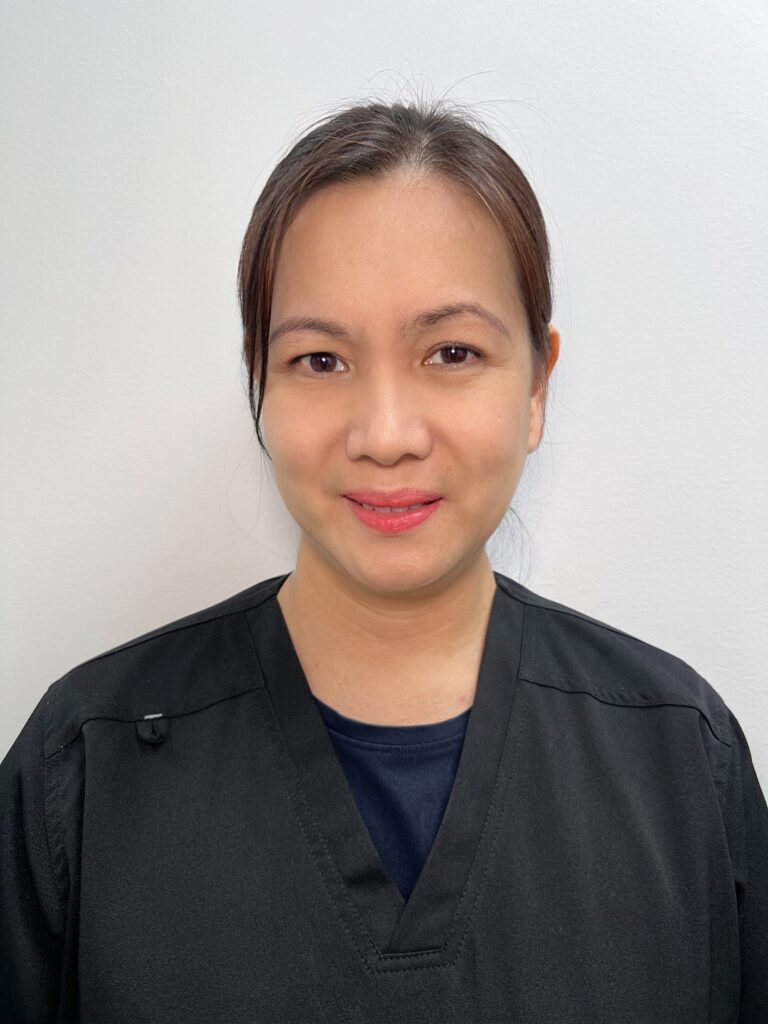
Head Nurse — Laser Treatments & Aesthetics
An experienced clinical nurse leading our nursing team, Noemi is DHA-certified in Laser Treatments and Aesthetics. She ensures every procedure is delivered safely, precisely and with the highest standard of patient care.
- Registered Nurse (BSN)
- DHA Certified — Laser Treatments
- DHA Certified — Aesthetic Procedures
Medically reviewed by Dr Suzanne Haddad — Aesthetic Doctor, Injectables & Skin.