
Botox and dermal fillers are two of the most asked-about aesthetic treatments in Dubai — and two of the most commonly confused. They are often spoken about in the same breath, marketed as interchangeable and even chosen by patients based on which one sounds 'less scary'. In reality, they are entirely different treatments, working through different mechanisms, addressing different concerns and used in different parts of the face. Understanding the difference is the first step toward making an informed, anatomy-driven decision rather than a brand-driven one.
This guide is an honest, doctor-led explanation of Botox vs fillers in Dubai — what each treatment actually is, how it works, what concerns it genuinely addresses, where they overlap, where they don't, and how a thoughtful combination plan can deliver more natural results than either treatment used in isolation. The goal is not to argue that one is 'better' than the other. It is to help you understand which treatment, or which combination, fits the face in the mirror.
Table of Contents
- What Is Botox?
- What Are Dermal Fillers?
- Botox vs Fillers — The Main Difference
- Common Treatment Areas
- Which Concerns Botox Helps
- Which Concerns Fillers Help
- Can Botox and Fillers Be Combined?
- Natural Results, Safety and the Role of the Injector
- Choosing the Right Treatment for You
- FAQ
What Is Botox?
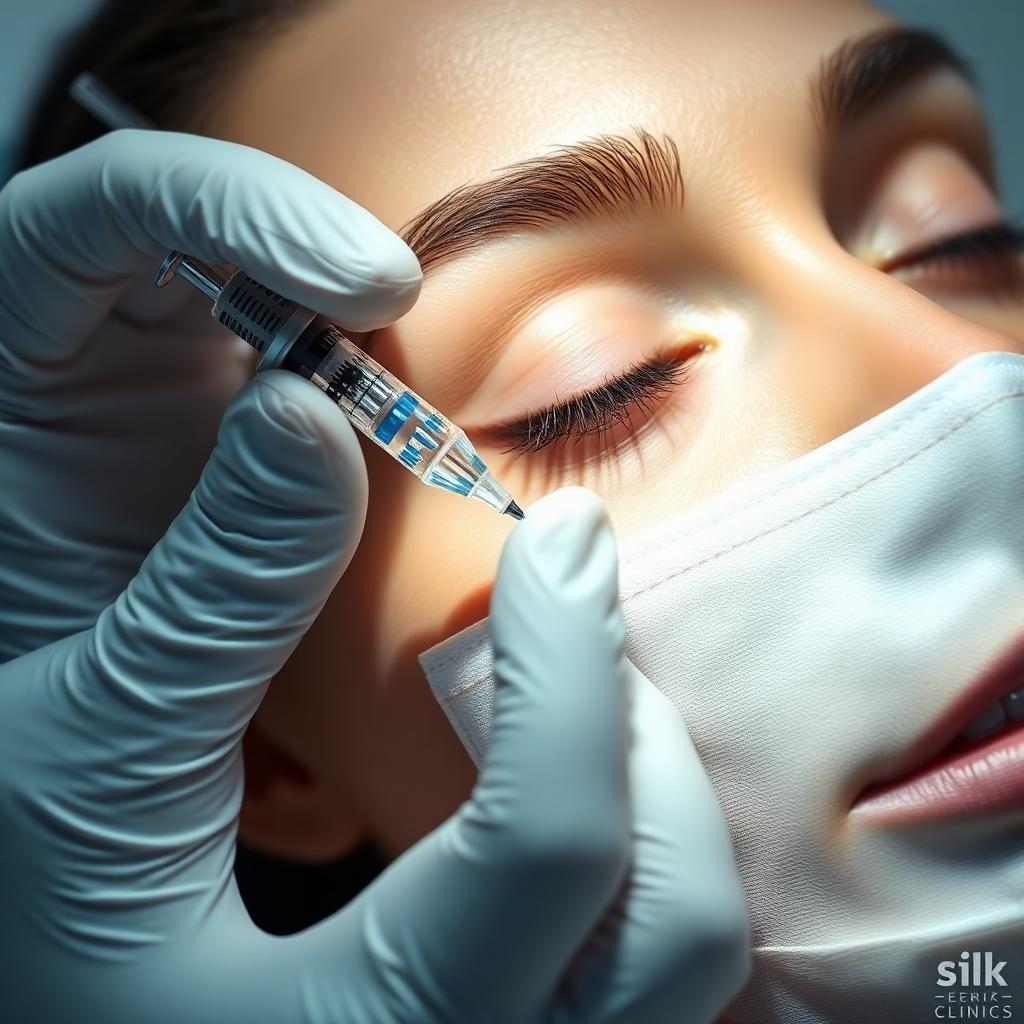
Botox is the most widely recognised brand name of a class of injectable medications called botulinum toxin type A — often referred to clinically as neuromodulators or neurotoxins. When injected in very small, carefully measured doses into specific facial muscles, Botox temporarily reduces muscle activity in that area. With reduced muscle pull, the overlying skin creases less when you express, and dynamic wrinkles — the lines that appear when you frown, raise your eyebrows or smile — soften over time.
Botox does not 'fill' anything. It does not add volume. It does not change the shape of the face by inflating it. What it does is modulate movement. In our Dubai Healthcare City clinic, Botox in Dubai is most commonly used for forehead lines, frown lines between the brows (glabella), crow's feet around the eyes, bunny lines on the nose, and selected non-aesthetic indications such as masseter (jaw) slimming and hyperhidrosis (excessive sweating).
Botox is temporary. Results typically begin to appear within 3–5 days, settle around 2 weeks, and last approximately 3–4 months on average, with some individual variation based on metabolism, dosing and treatment area. Maintenance is part of any honest Botox plan, and is one of the reasons we always recommend a conservative, individualised approach rather than 'standard' dosing.
What Are Dermal Fillers?
Dermal fillers are a different family of treatments altogether. Most modern fillers are based on hyaluronic acid (HA), a naturally occurring sugar molecule that binds water and supports volume and hydration in the skin. Unlike Botox, fillers do not act on muscles. They are injected into specific tissue planes to restore lost volume, support facial contours, soften deeper folds and improve overall facial balance.
Within the family of Dermal Fillers in Dubai, there is significant variation. Different formulations are engineered with different densities, cohesivities and lifting capacities for different anatomical purposes. Structural, volumizing fillers are used to rebuild mid-face support, restore cheek projection and define the jawline or chin. Softer, more integrating fillers — for example the Belotero range — are used in delicate areas such as the tear trough and perioral lines. Beyond traditional fillers, related injectables such as Profhilo in Dubai, skin boosters and biostimulators like Sculptra in Dubai address skin quality and longer-term collagen support rather than direct volume.
HA fillers are reversible (they can be dissolved with hyaluronidase if needed), biocompatible and temporary, with most lasting 6–18 months depending on the product, the area treated and individual metabolism.
Botox vs Fillers — The Main Difference
The simplest way to think about the difference is this: Botox addresses movement; fillers address volume and structure. Both can soften the visible signs of facial aging, but they do so through completely different mechanisms.
| Botox | Dermal Fillers | |
|---|---|---|
| What it does | Temporarily reduces targeted muscle activity | Restores volume, supports contour, softens folds |
| Main targets | Dynamic wrinkles (lines caused by movement) | Static volume loss, structural changes, lip and contour enhancement |
| Typical areas | Forehead, frown lines, crow's feet, bunny lines, jaw slimming, sweating | Cheeks, lips, jawline, chin, nasolabial folds, tear troughs |
| Onset | 3–5 days, full effect ~2 weeks | Immediate, with final settle over 1–2 weeks |
| Duration | ~3–4 months | ~6–18 months depending on product and area |
| Reversible | No (effect wears off) | Yes (HA fillers can be dissolved) |
| Wrinkle prevention | Supports prevention of dynamic line etching | Indirect (via support of facial structure) |
It's worth avoiding loaded language here. Neither treatment is universally 'better'. Neither is 'permanent'. Neither is 'risk-free'. Both are clinical interventions that, in experienced hands and at the right indication, can deliver genuinely refined, natural-looking results — and both can look unnatural when over-used or applied to the wrong concern.
Common Treatment Areas
In our Dubai clinic, the most frequent treatment areas break down as follows.
Botox areas. Forehead lines, glabellar (frown) lines, crow's feet, bunny lines on the nose, lip flip in selected cases, masseter slimming for jaw shape and bruxism, and axillary, palmar or plantar hyperhidrosis (excessive sweating).
Filler areas. Lips, cheeks, mid-face, tear troughs and under-eye support, jawline, chin, nasolabial folds, marionette lines, temples and selected non-surgical rhinoplasty cases.
There is some overlap in concern — for example, peri-ocular ageing can involve both crow's feet (Botox-responsive) and tear trough hollowing (filler-responsive). This is exactly why a comprehensive facial assessment matters more than a treatment menu.
Which Concerns Botox Helps
Botox is most useful for concerns driven by muscle movement and dynamic expression. Within its lane, it is one of the most consistently effective aesthetic treatments available. Common indications include:
- Expression lines that deepen with movement — forehead lines, frown lines and crow's feet.
- Etching of dynamic lines into the skin over time. Used preventatively with conservative dosing, Botox can support delaying the deepening of these lines.
- Selected facial slimming. Targeted masseter injections can soften a square or overdeveloped jawline in suitable patients.
- Hyperhidrosis (excessive sweating) of the underarms, palms and soles, where botulinum toxin temporarily reduces sweat gland activity.
- Bruxism support. Masseter Botox can also help reduce jaw clenching in selected patients.
Botox does not address volume loss, hollowing, deep static folds or structural changes in facial shape. Using Botox to try to correct a concern that is really volume-related is one of the most common reasons patients are disappointed with their 'Botox results'.
Which Concerns Fillers Help
Dermal fillers are most useful for concerns driven by volume loss, structural changes and the need for soft tissue support. Within their lane, they are an extremely powerful tool when used conservatively. Common indications include:
- Mid-face volume loss and flattened cheeks — restored with structural HA support.
- Loss of jawline and chin definition with age, where contouring fillers can rebuild structural support.
- Lip enhancement — subtle hydration, definition and proportion rather than volume for its own sake.
- Deeper folds such as nasolabial folds and marionette lines, often addressed indirectly by supporting the cheek and jawline first.
- Tear trough hollowing, typically with soft, integrating fillers in patients who are anatomically suitable.
- Overall facial balance and proportion in patients with congenital or age-related asymmetries.
Filler treatment should remain individualised and conservative. Adding more volume than the face anatomically needs is the single most common reason filler looks 'done'. Honest practice means saying no to filler when the concern is really better addressed by skin quality treatments, regenerative therapies or, in some cases, a referral elsewhere.
Can Botox and Fillers Be Combined?
Yes — and in clinical practice, combination plans are the norm rather than the exception. Because Botox and fillers address fundamentally different concerns, combining them in a well-considered plan often produces more natural results than either treatment used alone.
A typical combination plan might involve conservative Botox for crow's feet, mid-face filler to restore cheek support, and a small amount of soft filler to refine the tear trough — all delivered across one or more sessions, with the patient's facial dynamics and proportions assessed as a whole rather than line by line. Many patients also combine these treatments with non-volumizing options such as Profhilo, skin boosters, PRP/PRF facials and regular Hydrafacial in Dubai, addressing skin quality alongside line and volume work.
Comprehensive facial assessment matters far more than any individual injection. Treatment plans vary depending on anatomy, age, skin quality, lifestyle and goals. Two patients in their 40s with similar wrinkles can need quite different plans because their underlying facial architecture is different. Explore our wider Anti-Aging Treatments in Dubai and Skin Treatments in Dubai hubs for the complete picture.
Natural Results, Safety and the Role of the Injector
Both Botox and dermal fillers have strong safety profiles when delivered by trained, experienced clinicians using high-quality products and conservative technique. They also share the same most important variable in any outcome — the injector. The same vial of product can produce a flawless, undetectable result in skilled hands and an unnatural, frozen or overfilled appearance in inexperienced hands.
Good outcomes depend on a careful assessment of facial anatomy, including bone structure, fat compartments, muscle dynamics, vascular anatomy, skin thickness and prior treatment history. They depend on choosing the right tool — Botox, filler, bio-remodeller, biostimulator, regenerative therapy or skin treatment — for the right concern. They depend on conservative, staged technique and a clear philosophy that natural movement and facial harmony are the goals, not 'maximum smoothness' or 'maximum volume'. Over-treatment is the single most common reason aesthetic treatments look obvious, and it is almost always avoidable.
Both treatments carry recognised risks — temporary bruising, swelling, asymmetry, more rarely vascular events for fillers, and rare adverse effects for Botox — which is why they should always be delivered in a medical setting with proper consent, assessment and follow-up. Safety First, Beauty Always is not a slogan; it is the framework.
Choosing the Right Treatment for You
The right choice between Botox, fillers, or a combination is rarely a single answer. It depends on several factors that can only be properly assessed in person.
- Age and stage of facial aging. Younger patients often benefit from preventative Botox and skin-quality work; older patients often need structural support that filler or biostimulators provide.
- Facial anatomy. Bone structure, fat distribution and muscle dynamics drive treatment choice far more than chronological age.
- Type of wrinkles. Dynamic wrinkles that disappear at rest are Botox indications; static folds and volume loss are filler indications.
- Skin quality. Patients with significant skin laxity, texture issues or skin-quality concerns often benefit from non-volumizing options such as Profhilo, skin boosters, microneedling RF or laser before adding volume.
- Lifestyle and goals. A patient who wants subtle, undetectable refinement needs a very different plan from one preparing for a major event.
- Downtime tolerance and maintenance willingness. Both treatments require periodic maintenance to maintain results.
At Silk Clinics in Dubai Healthcare City, every plan starts with a personalized consultation rather than a price list. We assess the face as a whole, explain realistic options and combine treatments only when they genuinely contribute to the result. If you would like to know whether Botox, fillers, or a combined plan is the right next step for your face, book a personalized consultation with our doctors.
Safety First, Beauty Always.
Personalized Skin Plan
Not sure which treatment is right for you?
Answer 9 quick questions and get a doctor-designed pathway — with realistic timelines, downtime and session counts for your skin.
Related reading
- For the wider 2026 picture, read USA-inspired facial aesthetics trends in Dubai.
Browse the category
Explore all Injectable Treatments in DubaiDoctor-administered injectables in Dubai for natural-looking rejuvenation — from Botox and fillers to skin boosters and collagen stimulators, performed at Silk Clinics in Dubai Healthcare City.
Treatments mentioned in this guide
Book a consultation
Considering Botox vs Fillers in Dubai?
Our DHA-licensed doctors at Dubai Healthcare City will assess your concern and build a personalised, transparent plan — no obligation, no pressure.
Frequently asked questions
What is the difference between Botox and fillers?
Does Botox add volume?
Are dermal fillers permanent?
View more frequently asked questions (5)
Which lasts longer: Botox or fillers?
Can Botox and fillers be done together?
Which is better for wrinkles, Botox or fillers?
Are Botox and fillers painful?
Is there downtime after Botox or fillers?
About the author
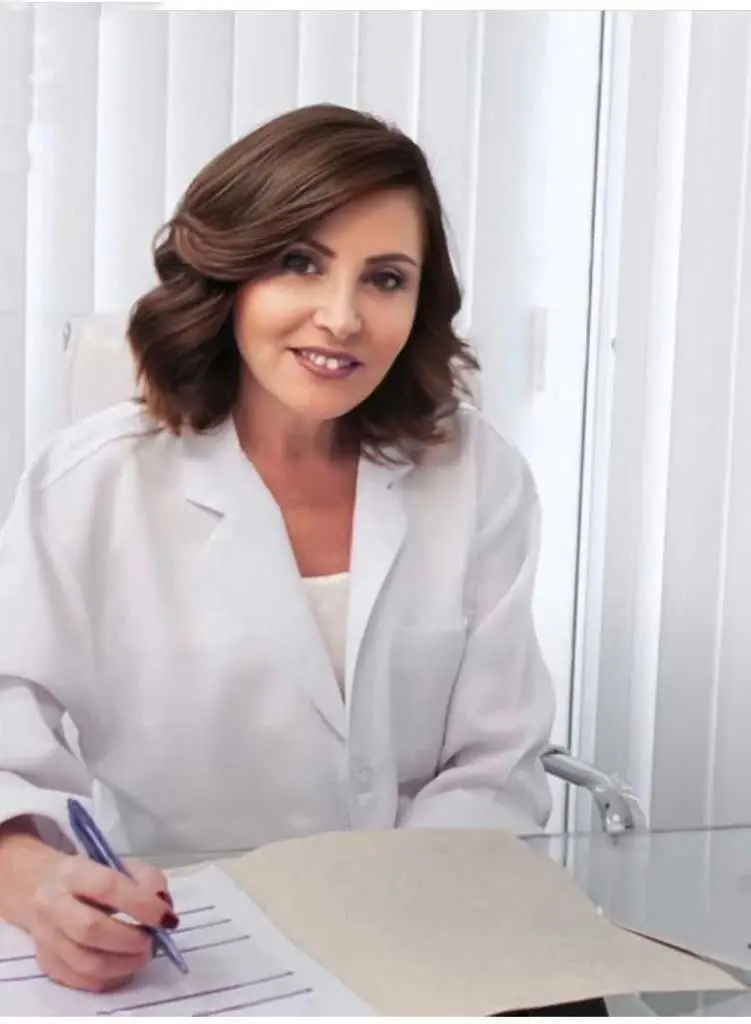
Aesthetic Doctor — Injectables & Skin
Specialising in natural-result injectables and advanced skin treatments, Dr Suzanne Haddad is known for her refined eye for facial harmony.
- MD
- Advanced Certification in Facial Injectables
- Member, AMWC
Medically reviewed by Dr Ahmad Sadeqyar — Medical Director, Aesthetic & Regenerative Medicine.