
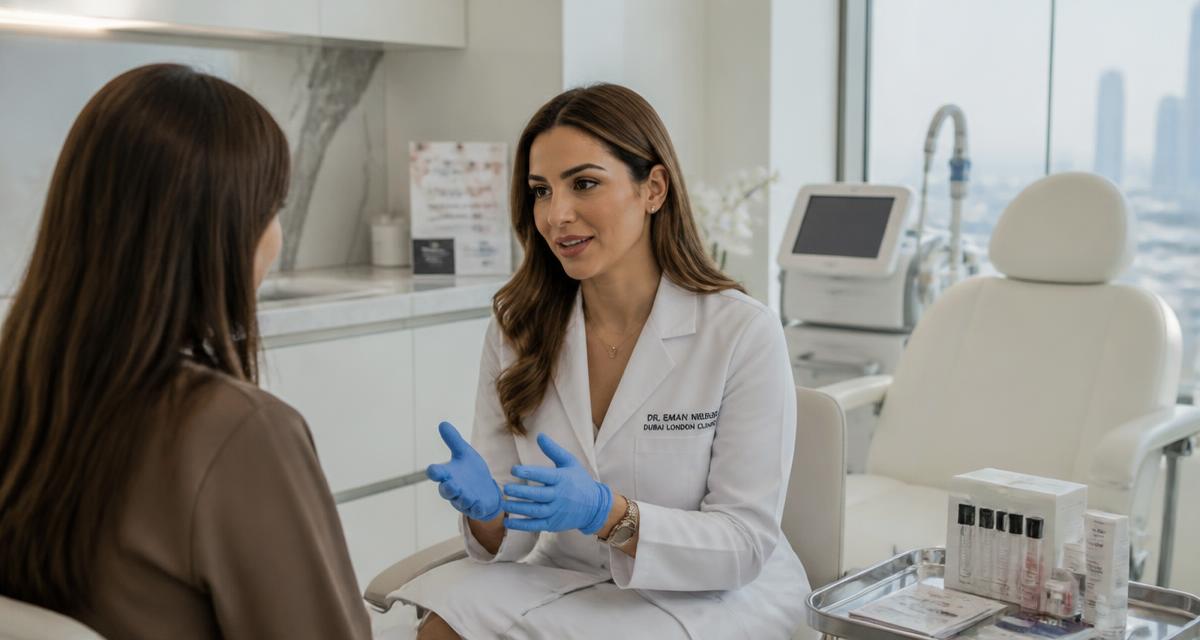
Facial aesthetics is a global conversation, but a large share of that conversation still starts in the United States. American dermatology and plastic-surgery meetings publish some of the field's largest datasets, U.S. regulators clear many devices and injectables early, and American practices treat enough patients each year for patterns to become visible quickly. When a technique gains traction in New York, Los Angeles or Miami, it usually reaches London, Seoul and Dubai within a season or two — refined, debated and, ideally, better evidenced by the time it arrives.
What makes 2026 interesting is not a single new machine or molecule. It is a change of direction. Many U.S. aesthetic practices have seen growing interest in skin quality rather than volume, in regenerative aesthetics rather than pure filling, and in facial harmony rather than isolated features. Recent aesthetic conferences and industry discussions highlight the same themes again and again: treat the skin as an organ, respect facial proportion, dose conservatively, and plan for years rather than weeks.
That shift is a reaction to what came before. The 2010s were the decade of visible enhancement — larger lips, sharper cheekbones, heavier jawlines. The results were photogenic under studio lighting and increasingly obvious in real life. Patients noticed. So did doctors. The correction that followed is the reason so much of today's USA facial aesthetics conversation is about restraint: smaller volumes, softer contours, and treatments that improve how skin behaves rather than only how a face is shaped.
The second driver is regenerative medicine. Instead of placing a material into the face and waiting for it to break down, regenerative facial treatments aim to prompt the skin's own repair machinery — fibroblasts, collagen, elastin, and the extracellular scaffolding that holds them together. Platelet-rich fibrin (PRF), collagen biostimulation with injectable stimulators, and exosome-based topical protocols after energy-based devices all belong to this family. None of them is a shortcut, and none produces an overnight change: they work on biological timelines measured in months.
The third driver is prevention. A generation of patients now arrives in clinic in their late twenties and early thirties, not because anything looks wrong, but because they would like facial aging to progress more slowly. That has normalised smaller, earlier, more frequent interventions — micro-dosed toxin, hydration-focused injectables, medical skincare, sun protection and energy-based maintenance — and de-normalised the idea that aesthetics begins when lines have already set.
Dubai follows these trends closely, and for good reason. The city is home to an unusually international patient population — Fitzpatrick skin types I through VI in the same waiting room — and to doctors trained across American, British, European and Asian systems. Patients here read the same journals and watch the same clinicians online as patients in the U.S. They arrive informed, they ask precise questions, and they increasingly ask for the philosophy behind a treatment rather than the treatment itself.
This guide maps that philosophy. It explains the eight facial aesthetic directions most visible in U.S. practice in 2026, what each one is actually doing to the skin, who tends to benefit, what the realistic timelines look like, and how each translates to Dubai's climate, sun exposure and skin-tone diversity. Where Silk Clinics offers a treatment in the category being discussed, that is stated plainly and linked. Where a brand or device is popular in the U.S. but not part of our menu, it is named only as an example of a category — not as something available here.
[!NOTE] Medical review disclaimer. This article is medically reviewed educational content prepared by the medical team at Silk Clinics, Dubai Healthcare City. It is general information only. It is not a diagnosis, not a treatment plan, and not a substitute for an in-person consultation with a DHA-licensed doctor. Individual suitability, risks and expected outcomes can only be assessed face to face.
1. Injectable Skin Quality Boosters

The clearest expression of the skin-quality movement is a category of injectable that is not designed to change facial shape at all. Injectable skin boosters are placed superficially, in small volumes, across an area rather than into a single point. Their purpose is to improve hydration, smoothness, light reflection and elasticity — what clinicians mean when they say skin quality.
Most products in this category are based on hyaluronic acid, but formulated very differently from a structural filler. Where a cheek filler is cross-linked to hold its shape against gravity, a booster is designed to spread, hydrate and stimulate. Some are stabilised gels delivered in a grid of micro-injections; others are high-concentration, minimally modified hyaluronic acid that disperses through the tissue plane and acts partly as a bio-remodelling signal to fibroblasts. In the U.S., single-brand launches in this space — such as the intradermal microdroplet products marketed for cheek smoothness — attracted significant attention; these are examples of the category rather than the category itself, and specific brands differ by market and by clinic.
At Silk Clinics we work in this category with injectable skin boosters, Profhilo bio-remodelling and polynucleotide (salmon DNA / PDRN) protocols, chosen according to skin thickness, laxity, tone and the concern being treated.
What skin boosters actually do
Hyaluronic acid binds water. Placed in the dermis, it improves tissue hydration directly, and the micro-trauma of the injections themselves — plus, with some formulations, the biological signalling of the product — encourages fibroblasts to produce new collagen and elastin over the following weeks. The visible change is usually described by patients as glow: skin that reflects light more evenly, feels less tight, and takes make-up better. It is a change in surface behaviour, not in facial shape.
Benefits patients typically report
- Smoother, more even light reflection across the cheeks, mid-face and neck
- Improved hydration in skin that feels dry or dehydrated in air-conditioned environments
- Softening of fine, crepey texture — particularly under the eyes, on the neck and on the décolletage
- Better skin resilience and elasticity over a course of sessions
- A refreshed appearance without added volume or change to facial proportion
Ideal candidates
Skin boosters suit patients whose main complaint is quality rather than shape: dullness, dehydration, early crepiness, a tired look in photographs, or skin that has lost bounce after weight change, sun exposure or the natural progression of the thirties and forties. They are frequently chosen by patients who explicitly do not want filler, and by patients who already have structural filler and want the overlying skin to match. They are also a reasonable entry point for younger patients focused on maintenance.
They are less appropriate as a stand-alone answer to significant volume loss or established laxity, where structural or collagen-stimulating approaches — dermal fillers, collagen stimulators, collagen thread lifting — may be discussed instead or in combination.
Downtime and comfort
Treatment usually takes 20–30 minutes. Topical anaesthetic is applied, and most products contain lidocaine. Expect small injection-point bumps that settle within hours to a day or two, and the possibility of bruising, which is more likely under the eyes and on the neck. Most patients return to normal activity the same day and to social events after 24–48 hours, though this varies.
Expected longevity
Boosters are a course-based treatment, not a one-off. Initial protocols are typically two to three sessions spaced a few weeks apart, with maintenance discussed periodically thereafter. Because the effect depends on hydration and stimulated collagen turnover rather than a durable structural gel, results are gradual in onset and gradual in decline. Duration differs between products, between skin types and between individuals — your doctor will give you a realistic range for the specific protocol proposed.
[!IMPORTANT] Treatment recommendations always depend on an individual consultation and medical assessment. Suitability, sequencing and expected outcomes vary from person to person, and not every treatment discussed here is appropriate for every patient.
2. Micro-Dosed Facial Balancing — the “No-Filler Filler” Look
Facial balancing is the idea that a face is read as a whole. A chin that sits slightly behind the lip line changes how the jaw looks; a flat mid-face changes how the lower face falls; an asymmetric brow changes how the eyes are perceived. Treating one feature in isolation — the classic single-syringe lip request — can improve that feature while making the overall composition less harmonious.
The facial harmonization approach that dominates current U.S. discussion works the other way round. The doctor assesses proportion first, then decides where very small volumes will do the most work. Often the answer is not the feature the patient came in for. Someone unhappy with their lips may benefit more from a fraction of a millilitre at the chin; someone who feels their jawline is heavy may benefit from mid-face support rather than jaw filler.
The micro-dosing philosophy
Micro-dosing means using a smaller quantity of product than the conventional approach, placed in more locations, over more sessions. Instead of two syringes in one appointment, a plan might use fractions of a syringe across three or four visits, reviewing the face between each. The rationale is straightforward: it is far easier to add than to remove, and small increments allow both patient and doctor to judge the result in real light, in motion, and in photographs before committing further.
This is also the mechanism behind natural filler results. Overfilling rarely happens in a single dramatic appointment — it accumulates quietly across years of small additions that were never reviewed as a whole. A micro-dosed plan builds review into the process.
| Traditional filler approach | Micro-dosed facial balancing | |
|---|---|---|
| Planning unit | The feature the patient names | The whole face, assessed in proportion |
| Volume per visit | Full syringes | Fractions of a syringe, multiple points |
| Sessions | Often one, occasionally two | Staged across several visits with review |
| Risk of an over-treated look | Higher, especially when repeated over years | Lower, because each increment is assessed |
| Adjustability | Limited once placed | High — the plan adapts between sessions |
| Typical patient goal | Visible change | “I look well, not treated” |
Who it suits
Micro-dosed balancing suits patients who want to look rested and proportionate rather than visibly enhanced; patients returning after previous treatment elsewhere that felt heavy; and patients in their twenties and thirties who want a plan that can evolve over a decade. It also suits anyone who has been told they need a particular treatment and wants a second opinion on whether that treatment is the right lever.
At Silk Clinics this is delivered through conservative use of dermal fillers and botulinum toxin, frequently combined with skin boosters so that skin quality supports the structural work rather than lagging behind it.
Consultation considerations
Ask how the plan is sequenced, what will be assessed between sessions, and what the doctor would not treat. A balancing consultation should include photography, an honest conversation about which concerns are anatomical rather than volumetric, and a clear explanation of reversibility. Hyaluronic-acid products can generally be dissolved if needed; other categories cannot, which is one reason many doctors begin with hyaluronic acid in a balancing plan.
3. Regenerative Aesthetics — PRF, Exosomes and Collagen Stimulation
If one theme defines the U.S. aesthetic conversation in 2026, it is regenerative medicine. The premise is a shift in target: rather than adding material, regenerative facial treatments aim to influence the cells that build and maintain skin — fibroblasts, keratinocytes, vascular and immune cells — so that the tissue improves its own quality over time.
This is a slower model and it demands more honesty in consultation. Regeneration is biological, so it follows biological timelines. Patients are typically asked to judge results at three months, not three days, and to expect gradual, cumulative change rather than a single visible step.
PRF — platelet-rich fibrin
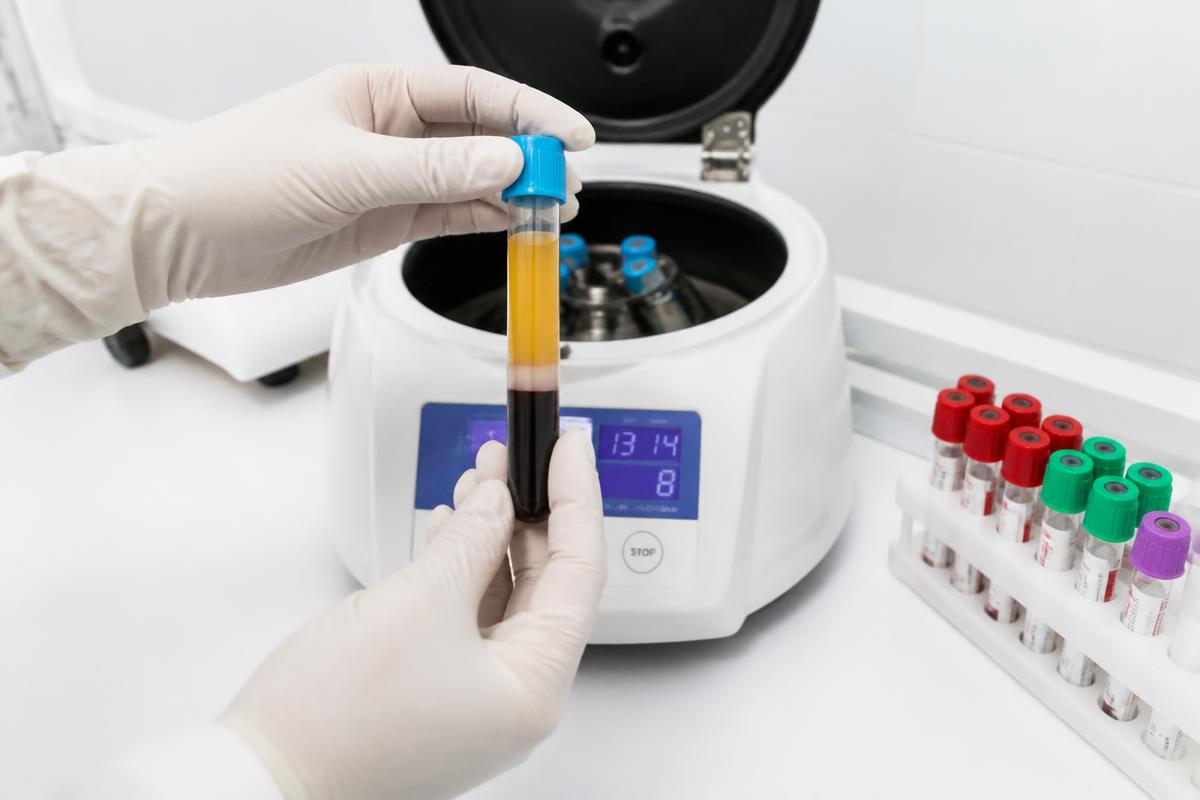
PRF is produced from a small sample of the patient's own blood, spun at low speed without anticoagulant so that platelets and white cells remain concentrated within a soft fibrin scaffold. That scaffold releases growth factors gradually as it breaks down, which is the main practical difference from earlier platelet-rich plasma preparations that release their signal more quickly.
Clinically it is used across the face for overall skin quality, in the under-eye region where thin skin and hollowing overlap, and in combination with microneedling or laser to support recovery. Because it is autologous — derived entirely from the patient — allergy risk is minimal, though it is not suitable for everyone: certain blood disorders, active infection, some medications and specific medical histories are contraindications assessed at consultation. Explore PRP and PRF facial treatments and microneedling with PRP.
Exosomes
Exosomes are extracellular vesicles — nanoscale packages that cells use to send signalling molecules to one another. In aesthetics they are applied to skin whose barrier has been temporarily opened by microneedling or a fractional laser, with the aim of supporting the healing and remodelling phase. The field is young, protocols differ substantially between suppliers, and the regulatory picture varies by country, which is why an exosome facial should always be discussed as an adjunct within a plan rather than a stand-alone promise. Learn more about exosome therapy.
Collagen stimulators
Collagen biostimulation uses injectable materials that are not intended to provide volume themselves but to provoke a controlled tissue response that builds new collagen over months. Poly-L-lactic acid and calcium hydroxylapatite products are the best-known examples internationally; availability and branding differ by market. The characteristic pattern is a treatment that looks like very little at week one and continues developing through months two to six. See collagen stimulators and peptide-based regenerative protocols.
| PRF (platelet-rich fibrin) | Exosome-based protocols | |
|---|---|---|
| Source | The patient's own blood | Laboratory-produced signalling vesicles |
| Preparation | Drawn and spun in clinic on the day | Supplied as a prepared product |
| Typical use | Injected or applied; face, under eyes, scalp | Applied topically after microneedling or laser |
| Allergy considerations | Minimal — autologous | Depends on the specific product; discussed at consultation |
| Evidence maturity | Longer clinical track record | Newer field, protocols still being standardised |
| Onset | Gradual, assessed over 8–12 weeks | Gradual; usually adjunctive to another treatment |
| Course | Usually a series, then review | Usually tied to the device protocol it accompanies |
Why the direction is shifting
Several pressures point the same way. Patients who have had filler for a decade are asking what happens next. Doctors have become more attentive to the long-term behaviour of repeated volumisation. Imaging and histology studies have made collagen and elastin changes easier to discuss objectively. And a younger patient group is more interested in maintaining tissue than in changing shape. Regenerative aesthetics fits all four.
[!TIP] Regenerative treatments reward patience and consistency. If a plan promises a dramatic change within days, that is a reason to ask more questions — not a reason to book.
[!IMPORTANT] Treatment recommendations always depend on an individual consultation and medical assessment. Suitability, sequencing and expected outcomes vary from person to person, and not every treatment discussed here is appropriate for every patient.
4. Facial Softening — Reversing the Over-Filled Look
One of the most requested consultations in U.S. practices right now involves undoing rather than adding. Facial softening describes a deliberate move away from sharp, heavily structured faces towards contours that read as natural in movement and in ordinary light.
Two things drive it. First, a decade of accumulated product in some patients has produced mid-face heaviness and a widened appearance that is visible in candid photographs even when it looks acceptable in the mirror. Second, aesthetic taste has moved: the sharply projected cheekbone and the fully defined jaw now look, to many observers, like a treatment rather than a face.
What a softening plan involves
Softening is not a single procedure. Depending on assessment it may include partial dissolving of hyaluronic-acid filler where product has migrated or over-accumulated, a deliberate pause in volumisation, and a change of emphasis towards skin quality and support — skin boosters, Profhilo, RF microneedling — so the face regains definition through tissue tone rather than added gel.
Dissolving is a medical decision, not a cosmetic one. It requires assessment of what is filler and what is native tissue, an understanding that some apparent fullness is oedema or tissue change rather than product, and a staged approach with review, because the face after dissolving often looks temporarily deflated before it settles.
Age-appropriate rejuvenation
A related idea is that a plan should suit the patient's decade. Restoring the exact proportions of a twenty-year-old face onto a fifty-year-old face rarely reads as youthful; it reads as unusual. Age-appropriate rejuvenation aims for the best version of the current face — better skin, restored support where the face has genuinely lost it, and preserved expression — rather than a reconstruction of an earlier one.
Who it suits
Patients who feel their face has become heavier, wider or less mobile; patients whose friends comment that they look different rather than rested; patients preparing for photography or events who want to reset before rebuilding; and patients who simply want a considered second opinion on a long history of treatment.
5. Prejuvenation — Baby Botox and Prevention
Prejuvenation is the practice of starting maintenance before visible change has set in. It is one of the most discussed shifts in U.S. aesthetics, driven largely by patients in their twenties and early thirties who see aesthetics the way an earlier generation saw dentistry: routine, preventive and unremarkable.
What Baby Botox means
Baby Botox — sometimes called micro-toxin — is conservative dosing of botulinum toxin placed to soften the strength of expression muscles without switching them off. The intention is that lines form more slowly and that expression remains fully readable. A patient treated this way should still frown, still raise their brows, and still look like themselves in conversation; the difference should be visible mainly in how skin creases at rest over the following years.
It is not a different product. It is a different philosophy of dosing and placement, and it usually means slightly more frequent review, because a lower dose has a shorter functional window. See Botox in Dubai and Dysport for how we approach neuromodulator treatment.
Collagen preservation
Prevention is not only about muscle. Collagen density declines progressively from the mid-twenties, accelerated by ultraviolet exposure — a particular consideration in the Gulf — smoking, poor sleep and glycation. A preventive plan therefore usually pairs conservative toxin with daily broad-spectrum SPF, an evidence-based topical routine (retinoid where tolerated, vitamin C, barrier support), and periodic collagen stimulation through RF microneedling, chemical peels or HydraFacial maintenance.
| Preventative approach | Corrective approach | |
|---|---|---|
| Typical starting point | Mid-twenties to mid-thirties | Once change is established |
| Main goal | Slow the rate of visible change | Improve change that has already occurred |
| Toxin dosing | Conservative, expression preserved | Standard dosing to soften set lines |
| Skin work | Consistent maintenance, low intensity | More intensive resurfacing or remodelling |
| Volume work | Rarely needed | Often part of the plan |
| Session rhythm | Small, regular, reviewed | Course-based, then maintenance |
| Mindset | Long-term investment | Targeted improvement |
An honest note on prevention
Prevention is a reasonable strategy, not a guarantee. Nobody can promise that treating early will prevent lines; genetics, sun behaviour, sleep and general health all contribute. What can be said is that conservative early treatment is generally well tolerated and allows a plan to evolve slowly, with review, rather than beginning with a large correction later. Treatment is not recommended for patients who are pregnant or breastfeeding, and every plan begins with medical screening.
6. Laser Stacking — Combination Device Protocols
Single-device thinking is giving way to protocol thinking. Laser stacking — more precisely, combination energy-based therapy — means selecting two or more modalities that act on different targets and sequencing them so the plan addresses several concerns in a coordinated way rather than repeating one treatment and hoping it covers everything.
The logic is that skin problems are rarely single-layer. A patient may present with surface pigmentation, mid-dermal textural change from old acne scarring, and early laxity. No one device treats all three well. A vascular or pigment-selective device addresses tone; a fractional ablative device addresses texture; a radiofrequency microneedling device addresses the deeper remodelling. Combining them — either in one visit where appropriate, or staged across a treatment course — is often more effective than escalating the intensity of a single device.
Examples of coordinated protocols
- Tone plus texture: a pigment-focused protocol to settle surface discolouration, followed later in the course by fractional resurfacing for texture. In the U.S. this pairing is often discussed using specific device brand names; those are examples of the categories, and the equivalent categories are what matter clinically.
- Texture plus remodelling: fractional CO2 laser for resurfacing, with Scarlet S RF microneedling at a later stage for deeper collagen remodelling.
- Device plus regenerative support: microneedling or laser followed by PRF or exosome application to support the recovery phase.
- Scar-specific sequencing: subcision with PRP for tethered atrophic scars before resurfacing, because releasing the tether first changes what the laser can achieve.
| Single-treatment approach | Coordinated combination protocol | |
|---|---|---|
| Targets addressed | Usually one layer or one concern | Multiple layers, planned together |
| Intensity per session | Often escalated to compensate | Moderated, distributed across modalities |
| Downtime | Concentrated in one recovery | Planned and staged across the course |
| Suitability in deeper skin tones | Depends entirely on that one device | Settings and device choice can be varied |
| Planning requirement | Low | High — requires assessment and sequencing |
| Best for | A single, well-defined concern | Mixed pigmentation, texture and laxity |
Why sequencing matters more in Dubai
High ambient ultraviolet exposure and a skin-tone-diverse population change the calculation. In Fitzpatrick IV–VI skin, aggressive settings carry a higher risk of post-inflammatory hyperpigmentation, so a staged, moderate, well-spaced protocol with strict photoprotection is frequently the safer route to the same goal. Priming the skin beforehand and enforcing SPF afterwards are part of the protocol, not optional extras.
[!WARNING] Combination protocols are not automatically better. They are better when planned. Suitability depends on individual assessment, skin tone, medical history, recent sun exposure and any photosensitising medication.
7. Non-Surgical Facial Slimming and Lower-Face Contour
Lower-face definition is one of the most consistent requests in current facial contouring Dubai consultations, and the approach has become noticeably more analytical. The important question is not how do we slim the face but what is creating the fullness — because the answer determines the treatment, and the wrong answer produces disappointment.
The four common contributors
- Muscle bulk. An enlarged masseter, often associated with clenching or grinding, widens the lower face. Neuromodulator injection into the masseter can reduce muscle bulk over weeks and frequently helps clenching symptoms as well; the effect is temporary and requires maintenance.
- Localised fat. Submental or jowl fat responds to different tools, including injectable fat-reduction approaches where clinically appropriate — see fat dissolving injections. Brand-name deoxycholic-acid products are widely discussed in the U.S.; what matters clinically is the category and whether it suits the anatomy.
- Skin laxity. When the issue is tissue tone rather than volume, tightening approaches such as RF microneedling or collagen thread lifting are more logical than fat reduction, which can make lax skin look emptier.
- Loss of support elsewhere. A jawline can look undefined because the mid-face has descended. Restoring support above sometimes improves the jawline more than treating the jawline itself — a direct application of facial balancing principles.
RF tightening and skin quality
Radiofrequency microneedling delivers energy below the epidermis to prompt collagen remodelling in the dermis, which is why it is a mainstay for mild to moderate laxity in patients who are not ready for, or not suitable for, surgical options. It is a course-based treatment with gradual onset, and results depend on baseline laxity, age, skin thickness and lifestyle factors.
Setting expectations
Non-surgical contouring works within the limits of the underlying anatomy. Bone structure, significant skin excess and advanced laxity are not addressed by injectables or energy devices, and an honest consultation will say so. Where a surgical option would give a substantially better result, that should be discussed openly even when the clinic does not perform it.
8. Under-Eye Rejuvenation
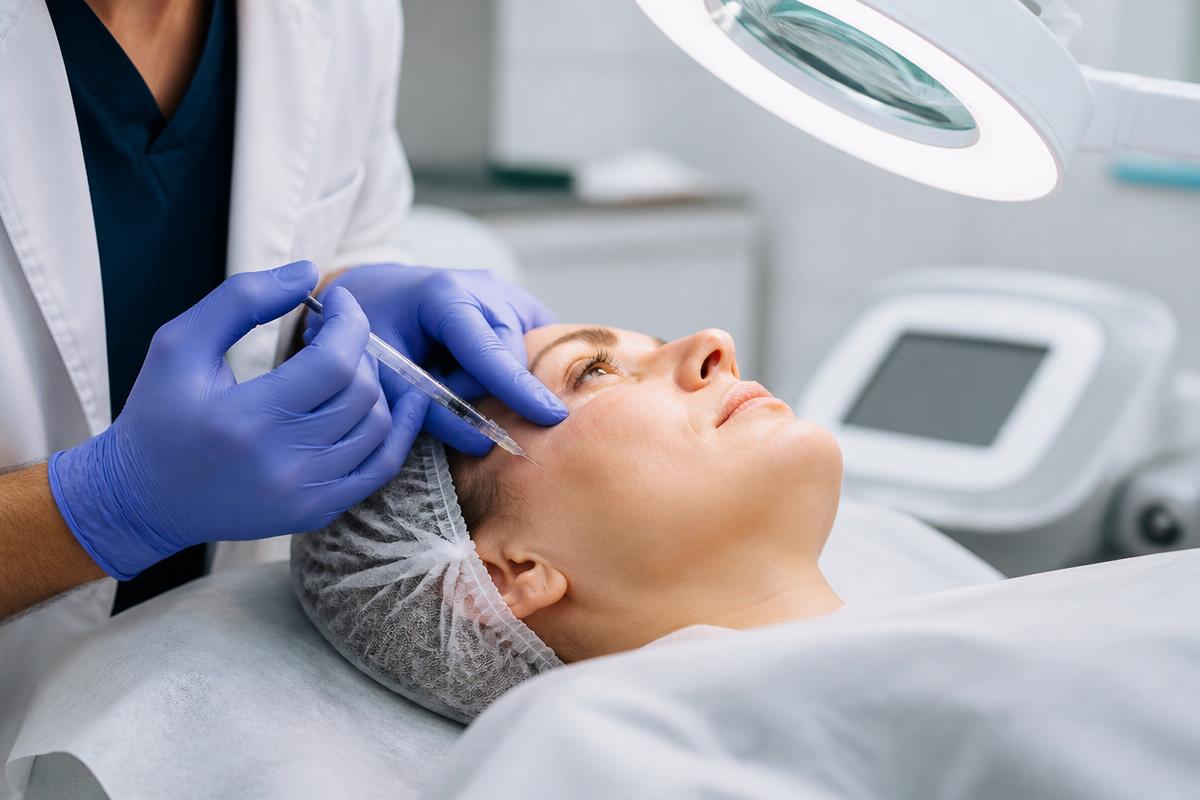
The under-eye is one of the most requested treatment areas in aesthetic practice worldwide, and one of the most technically demanding. The skin here is the thinnest on the face, the anatomy is unforgiving, and the same complaint — I look tired — can arise from at least five different causes that require completely different treatments.
Working out the actual cause
- Hollowing (tear trough): loss of volume and descent of the mid-face create a shadow. This is the presentation most people assume they have.
- Pigmentation: genuine excess melanin in the periorbital skin, common in Fitzpatrick III–VI, often familial and not improved by volume at all.
- Vascular show-through: thin skin over the underlying vasculature reads as blue-purple; volume can worsen the look if placed incorrectly.
- Texture and crepiness: fine lines and loss of elasticity in the skin itself.
- Puffiness: fat pad prominence, fluid retention or allergy-related swelling, where adding product is usually the wrong move.
This is precisely why under eye rejuvenation should never be sold as a single default procedure. Filler placed into a hollow that is actually pigmentation will not help, and filler placed superficially or into oedematous tissue can create long-lasting puffiness.
What treatment can involve
PRF under eyes is one of the most popular regenerative options in current U.S. practice for thin, crepey or dull periorbital skin. Because PRF is autologous and does not carry the hydrophilic behaviour of hyaluronic-acid gel, it is often preferred in patients where filler is considered risky. It works gradually across a course of sessions — see PRP and PRF facial treatments.
Superficial skin boosters and polynucleotide protocols such as salmon DNA / PDRN address texture and hydration. Where pigmentation dominates, tone-safe approaches — targeted pigmentation treatment, gentle chemical peels and strict photoprotection — are more relevant than any injectable. Where true structural hollowing is confirmed and the anatomy is favourable, small volumes of hyaluronic-acid filler may be discussed, placed conservatively and reviewed.
Practical considerations
Bruising is common in this area and should be planned around social commitments. Sleep, salt intake, allergy control and thyroid or renal issues all influence periorbital appearance and are worth reviewing before any procedure. And some presentations — significant fat pad prominence, marked skin excess — are better served by an oculoplastic surgical opinion, which a responsible consultation will raise.
[!IMPORTANT] Treatment recommendations always depend on an individual consultation and medical assessment. Suitability, sequencing and expected outcomes vary from person to person, and not every treatment discussed here is appropriate for every patient.
Why USA Trends Matter Internationally
It is fair to ask why an aesthetic trend that starts in the United States should matter to a patient in Dubai. The honest answer is that it does not matter because it is American — it matters because of the infrastructure that produces it.
Conference influence. The large U.S. meetings — dermatology, facial plastic surgery and aesthetic medicine — function as annual peer review for the field. Techniques are presented, challenged, and frequently revised in public. When a technique survives that process across several years, it usually reflects something reproducible rather than a marketing cycle.
Research volume. A high proportion of published aesthetic literature, adverse-event registries and long-term follow-up data originates in or is co-authored from the U.S. That includes the unglamorous work that matters most in practice: complication case series, vascular-occlusion protocols, product-migration studies and long-term imaging.
Regulatory sequencing. U.S. clearance often comes early for devices and injectables, which means American practices accumulate real-world experience before other markets. By the time a technique reaches Dubai, there is usually more information available about who it suits and where it disappoints.
Dermatologist education. Fellowship and training networks propagate technique quickly, and much of that teaching is now public. Patients watch it too, which is why consultations in 2026 are more informed and more specific than they were five years ago.
Innovation with a filter. Not every trend deserves to travel. Some are device-marketing cycles; some do not translate to skin-tone-diverse populations; some rely on aggressive settings that are inappropriate in a high-UV environment. Part of the clinical work is deciding which ideas to adopt, which to adapt and which to leave alone. A trend that has not been evaluated in Fitzpatrick IV–VI skin, for instance, cannot simply be transplanted into a Dubai practice.
That filtering is the point of this article. The trends described above are included because they are consistent with evidence-based aesthetics, because they favour minimally invasive aesthetics over escalation, and because they can be delivered responsibly to a patient population that spans the full range of skin tones.
Book a consultation
Considering USA Inspired Facial Aesthetics in Dubai?
Our DHA-licensed doctors at Dubai Healthcare City will assess your concern and build a personalised, transparent plan — no obligation, no pressure.
Why Silk Clinics Dubai
Silk Clinics is a DHA-licensed medical clinic in Dubai Healthcare City. We are not affiliated with any U.S. organisation, society or brand, and we do not claim to be. What we do is follow the international evidence base closely — including the American literature and conference output described above — and apply the parts of it that are appropriate for our patients, our climate and the range of skin tones we treat every week.
Consultation first, always
Every plan begins with an assessment rather than a price list. That means medical history, medication review, previous treatment history (including anything done elsewhere), skin-type and Fitzpatrick assessment, standardised photography where appropriate, and a conversation about what actually bothers you — which is frequently different from what a patient initially names. If the honest answer is that a treatment is not indicated, or that the concern is better addressed by skincare, sleep, sun behaviour or a referral, we say so.
Doctor-led delivery
Injectable and energy-based treatments at Silk Clinics are delivered by licensed doctors. That matters most in the situations nobody plans for: recognising a vascular event early, managing an unexpected reaction, or knowing when to stop mid-procedure. It also matters in the ordinary case, because dosing decisions, plane selection and device settings are clinical judgements that improve with medical training and volume.
Treatment planning rather than à-la-carte booking
Most of the trends in this article are plans, not procedures. Skin boosters work as a course. Regenerative treatments are judged at three months. Laser protocols are sequenced. Facial balancing is staged with review. We therefore write plans that set out what happens first, what happens next, what we will reassess and when — including realistic timelines and the possibility that we change course after review. You receive the plan in writing and you are never asked to decide on the day.
Combination therapy, used deliberately
Combining treatments is only an advantage when the combination is planned. We use combination protocols where different modalities address different layers — for example a resurfacing device for texture alongside regenerative support for recovery, or structural work alongside skin-quality work so the two do not drift apart. Equally, we routinely advise against combining when the sensible next step is to do one thing well, review it, and then decide.
A regenerative philosophy, applied conservatively
Our regenerative menu — PRP and PRF, exosome therapy, collagen stimulators, polynucleotide protocols, peptide-based protocols — exists because we believe tissue quality is the more durable investment. We also present it with its limits intact: gradual onset, variable individual response, and a requirement for consistency. It is not a replacement for structural treatment where structure is genuinely what is missing.
Technology chosen for skin-tone safety
Device selection in Dubai has to account for Fitzpatrick I–VI in the same clinic list. We prioritise platforms and settings that can be adjusted conservatively for deeper skin tones, we prime and photoprotect before and after resurfacing, and we space sessions to reduce the risk of post-inflammatory pigmentation. Our CO2 laser and Scarlet S RF microneedling protocols are adjusted per patient rather than run to a fixed setting.
Natural outcomes as the default brief
The house style is restraint. Smaller volumes, staged review, expression preserved, skin quality prioritised. If you want a dramatic change, we will discuss honestly whether that is achievable non-surgically, whether it will still look right in five years, and what the alternatives are — including surgical referral where that is the better answer.
Inspiration is not availability
Several treatments and brands discussed in this article are prominent in U.S. practice but are not part of our menu, and we have flagged them as category examples rather than offerings. Where we do offer a treatment in a category, it is named and linked. If you have read about something specific and want to know whether we provide it, ask directly at consultation — you will get a straight answer, including where the honest answer is no.
[!TIP] Bring photographs of yourself from five and ten years ago to your consultation. They are far more useful than reference images of other people, because they show how your face is changing rather than how someone else's face was built.
Conclusion: Natural Beauty, Prevention and Regeneration
The direction of travel in USA facial aesthetics for 2026 is easy to summarise: less material, better skin, earlier prevention, and planning across years instead of appointments. Regenerative aesthetics targets tissue quality. Injectable skin boosters treat skin as an organ rather than a canvas. Micro-dosed facial balancing protects proportion. Prejuvenation moves the timeline earlier. Combination laser protocols solve mixed problems properly. And the most requested area of all — the under-eye — is finally being approached diagnostically rather than as a single default procedure.
None of these ideas promises a transformation, and none should. What they offer is a more measured route to facial rejuvenation: treatments that respect facial harmony, preserve expression, support collagen and elastin over time, and can be adjusted as your face changes. That is the version of anti aging treatments Dubai patients increasingly ask for — considered, reversible where possible, and honest about what it can and cannot do.
If any of the directions in this guide sound like the way you would like to be treated, the next step is a conversation rather than a booking. Our doctors will assess your skin, explain which of these approaches is genuinely relevant to you, and put a written plan in front of you before anything is decided.
Explore the treatments mentioned
Frequently asked questions
What are the biggest USA facial aesthetic trends in 2026?
What is regenerative aesthetics?
Are skin boosters the same as fillers?
View more frequently asked questions (21)
Can skin boosters replace fillers?
What is facial balancing?
What is Baby Botox?
What is PRF?
What are exosomes?
What are collagen stimulators?
Is facial rejuvenation painful?
Which treatments have minimal downtime?
Which treatments improve skin quality rather than shape?
What are combination treatments and why are they used?
How often are maintenance treatments needed?
Are these treatments suitable for darker skin tones?
Who is a good candidate for preventative treatments?
What should I discuss during a consultation?
Does Silk Clinics offer every treatment mentioned in this article?
Is Silk Clinics affiliated with American organisations?
How long before I see results from regenerative facial treatments?
Can filler be dissolved if I do not like the result?
What is the difference between preventative and corrective treatment?
Do I need to stop skincare before treatment?
How do I know whether a trend is right for me?
This article is general medical information reviewed by the Silk Clinics medical team in Dubai Healthcare City. It does not replace an individual consultation. Treatment recommendations depend on medical assessment, and suitability varies from person to person. Next scheduled review: 2027-02-05.
- DHA Licensed Clinic
- Experienced Medical Team
- Personalized Treatment Plans
- Consultation Before Every Treatment
- Medically Reviewed Content
- Modern Medical Equipment
Book a consultation
Considering Facial Aesthetics Consultation in Dubai?
Our DHA-licensed doctors at Dubai Healthcare City will assess your concern and build a personalised, transparent plan — no obligation, no pressure.