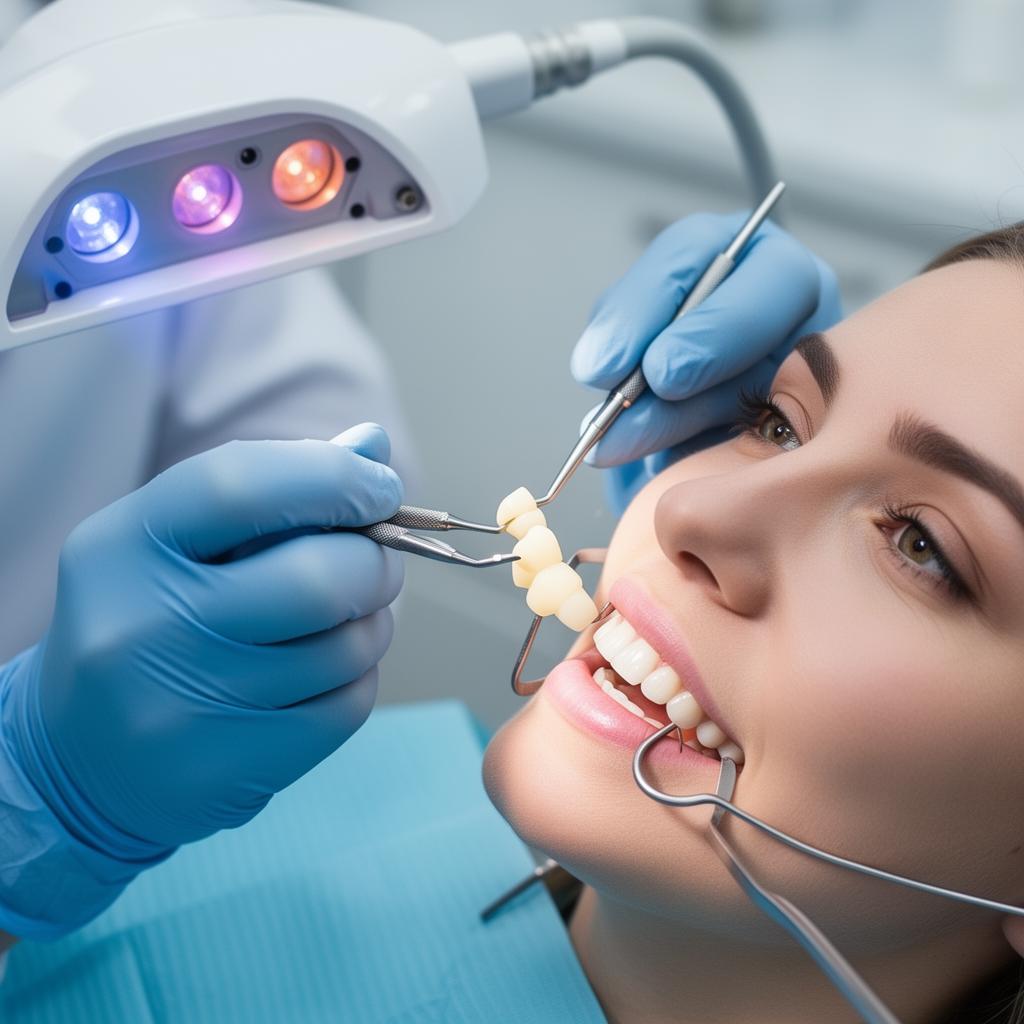
What is Composite Bonding?
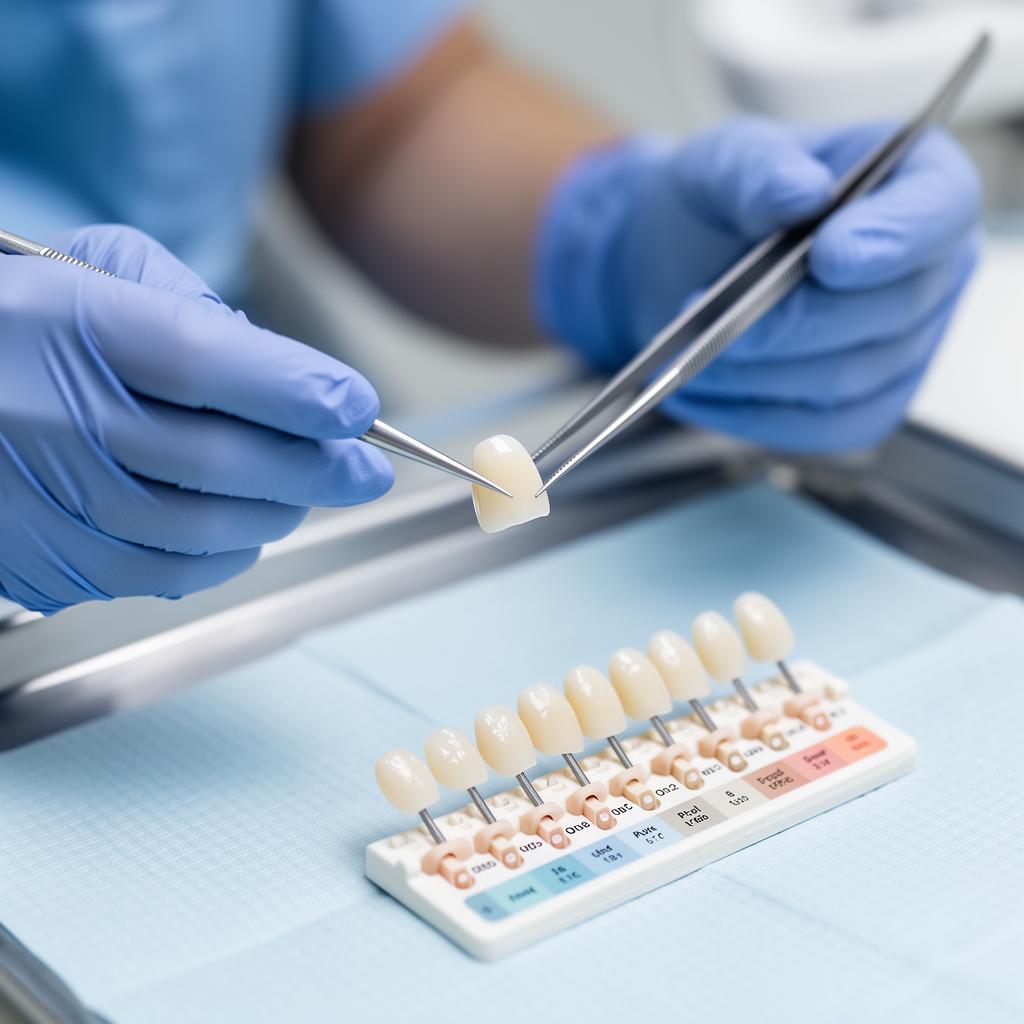
Composite bonding uses a tooth-coloured resin (composite) that is layered directly onto the front of a tooth, sculpted by hand, cured with light and polished to a natural finish. Because little or no tooth preparation is needed, the treatment is conservative and often reversible.
Composite bonding sits between simple polishing and full porcelain veneers in Dubai. It is the right tool when changes are limited to a few teeth or to edges, gaps and small shape refinements. For more extensive smile redesigns, veneers or dental crowns in Dubai are usually a better fit.
Benefits
- Minimally invasive — usually no drilling or anaesthesia
- Completed in a single visit for most cases
- Repairs chips, closes small gaps and refines tooth shape
- Improves the colour of individual stained or discoloured teeth
- Reversible in most cases — natural enamel is preserved
- More affordable than veneers or crowns
Concerns we treat
Ideal candidates
Adults in Dubai who want to improve the shape, colour or symmetry of a few front teeth without committing to veneers or crowns — and who have generally healthy teeth and gums.
The treatment process
- 1Smile design consultation and photographs
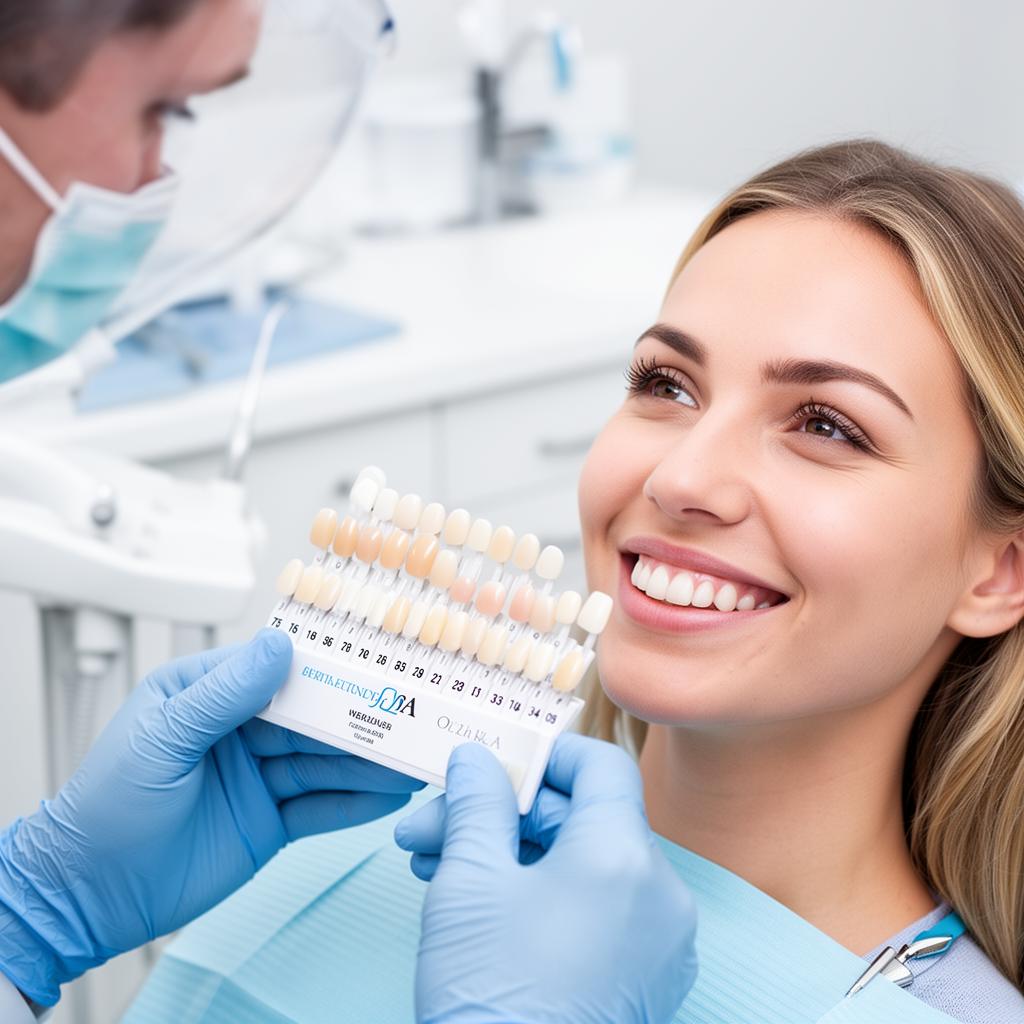
- 2Shade matching and tooth cleaning
- 3Application of composite resin in layers
- 4Sculpting, curing and shape refinement by the dentist
- 5Polishing for natural light reflection
None. Eat, drink and resume normal activity immediately after the session.
A doctor-led clinic in Dubai Healthcare City
At Silk Clinics in Dubai Healthcare City, every treatment is doctor-led, clinically supervised and tailored to your skin, anatomy and goals. We combine advanced technology, premium products and a refined patient experience — guided by our promise: Safety First. Beauty Always.
Meet our teamComposite Bonding in Dubai — the most conservative cosmetic option
Composite bonding in Dubai has become one of the most popular cosmetic dental treatments in recent years, particularly among younger adults who want to improve the appearance of their smile without committing to veneers or crowns. The appeal is straightforward: it is fast, conservative and reversible in most cases.
At Silk Clinics Dubai, bonding is performed by dentists with significant cosmetic experience — because the technique looks simple on paper but is genuinely sculpting work. The aesthetic difference between an average bonding result and an excellent one is entirely the dentist's hand: how the layers are built, how the edges are contoured, how the light is allowed to pass through the final layer.
Bonding is the right tool when changes are limited to a few teeth or to edges, gaps and small shape refinements. For more extensive smile redesigns — full upper arch, severe discolouration, structurally damaged teeth — porcelain veneers or dental crowns are usually a better choice. We discuss the trade-offs honestly at consultation rather than recommending one tool for every case.
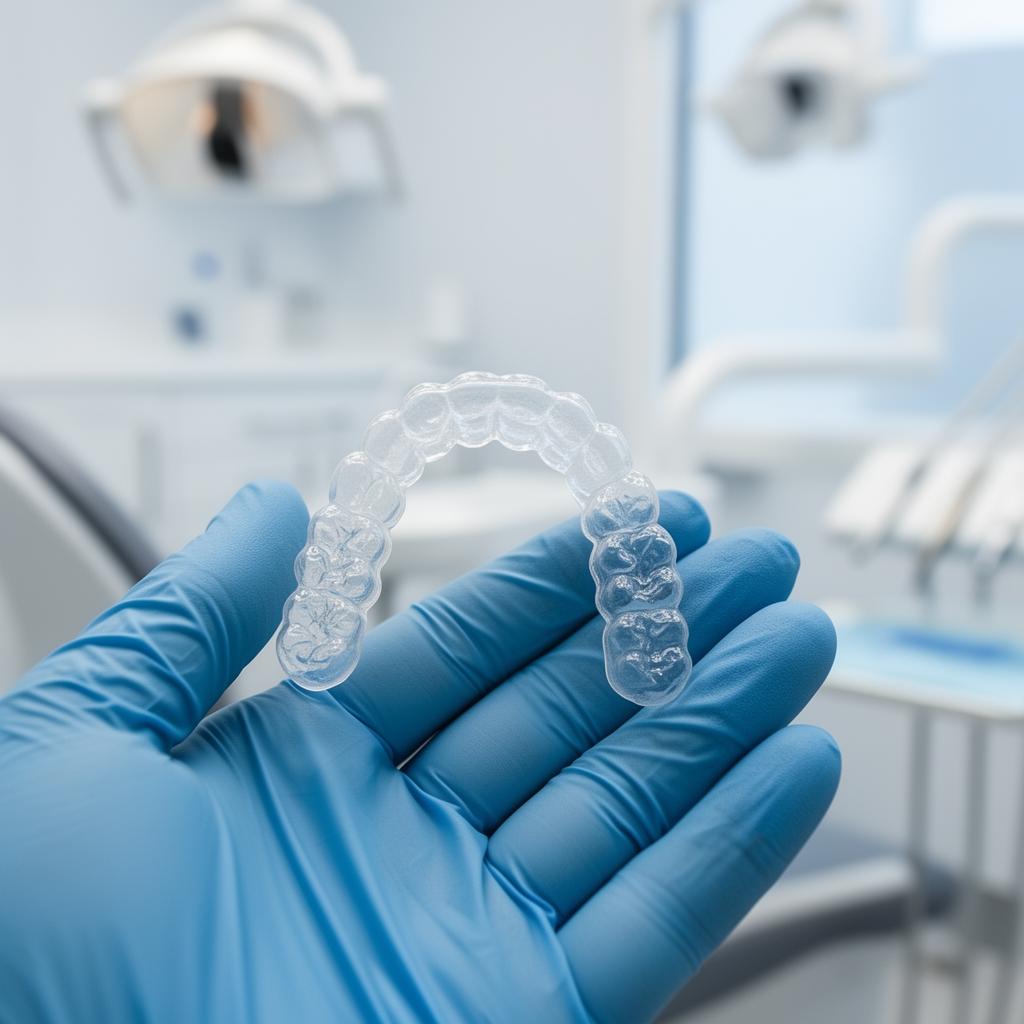
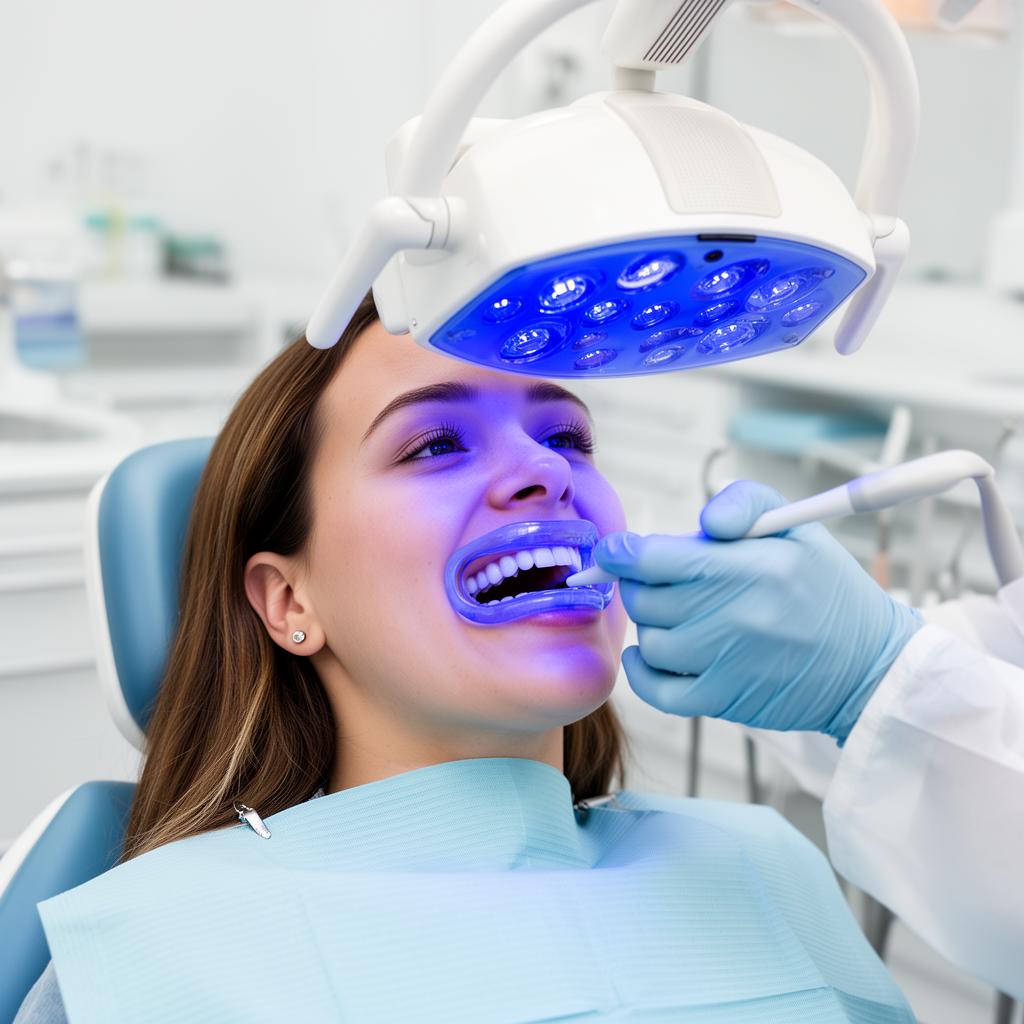
Many Silk Clinics patients combine bonding with teeth whitening in Dubai — whitening first to lighten the natural teeth, then matching the bonding to the new lighter shade. Clear aligners are often used before bonding when the underlying tooth position needs correcting; bonding then refines what alignment alone cannot.
Composite bonding vs porcelain veneers — when each fits
Veneers are thin custom porcelain shells made in a dental laboratory and bonded to the front of teeth. They are the gold standard for full smile design, severe discolouration and durable long-term aesthetic results — typically lasting 10–15+ years.
Composite bonding is sculpted directly onto the tooth by the dentist in a single visit. It is more conservative (little or no tooth preparation), more affordable, and easier to adjust over time — but composite is more porous than porcelain, picks up stain more easily, and typically needs polishing or replacement every 5–7 years.
The honest answer at consultation is usually: bonding for small focused changes on a few teeth; veneers for a fuller smile redesign or where long-term durability and stain resistance matter most.
How long does composite bonding last in Dubai?
Composite bonding typically lasts 5–7 years with good oral hygiene, regular polishing visits and sensible care of staining habits (limiting coffee, tea, red wine, smoking and curry). Bonding can usually be polished and refreshed rather than fully replaced, which is one of its advantages over veneers.
Because bonding is a directly placed material, it can be added to, reshaped or repaired in-clinic without remaking the entire restoration. This makes it forgiving and adjustable — useful for patients who want to evolve their smile over time rather than commit to a single fixed design.
Cost considerations for composite bonding in Dubai
Composite bonding pricing depends on the number of teeth being bonded, the complexity of the design (edge bonding vs full surface bonding vs gap closure), and whether the work is part of a wider smile plan. We never quote a price before assessing the case and discussing options.
We provide a transparent quote at the end of your consultation, and we are happy to start with one or two teeth before deciding whether to extend the plan. Composite bonding is typically more affordable than porcelain veneers, which makes it an attractive entry point for cosmetic dentistry.
Expected results
Results from Composite Bonding vary between patients. Your doctor at Silk Clinics Dubai discusses the realistic outcome you can expect — based on your skin type, anatomy and treatment history — at consultation. None. Eat, drink and resume normal activity immediately after the session.
Recovery timeline
- ImmediatelyMild gum sensitivity may be present and settles quickly.
- Day 1–3Stick to soft foods if recommended and follow your dentist's aftercare.
- Week 1+Comfort returns to baseline and the final aesthetic and functional result is reviewed.
Routine 6-month dental check-ups and professional cleaning are recommended to protect long-term results.
Number of visits depends on the case complexity — confirmed in your treatment plan.
Suitable candidate
- Adults seeking composite bonding for small chips on front teeth, gaps and uneven edges between front teeth, discoloured individual teeth
- Patients in good general health with realistic expectations
- Patients who can attend a doctor-led consultation before treatment
Not suitable for
- Pregnancy or breastfeeding
- Active skin infection or open wound in the treatment area
- Recent sunburn or active dermatitis
- Known allergy to any product used during the treatment
- Certain medical conditions or medications — disclosed at consultation
Risks & side effects
Every medical procedure carries some risk. We discuss these fully at consultation so you can decide with confidence.
- Temporary redness, mild swelling or tenderness at the treatment area
- Small bruising in some patients, usually resolving within a few days
- Rare allergic reaction to topical products used during treatment
- Results vary between patients and depend on skin type, age and overall health
What Silk Clinics doctors commonly recommend
Every Composite Bonding case at Silk Clinics starts with a full clinical exam, digital scans and a documented treatment plan. Conservative preparation and predictable, functional outcomes are prioritised over cosmetic shortcuts. The plan focuses on small chips on front teeth, gaps and uneven edges between front teeth, discoloured individual teeth, with the goal of a natural, sustainable result rather than an obvious "treated" appearance.
Where appropriate, we combine Composite Bonding with complementary protocols, complementary protocols, complementary protocols to support skin quality, structure or longevity of the result — not because more treatments are automatically better, but because a layered plan often outperforms a single modality.
Realistic expectations are set upfront. None. Eat, drink and resume normal activity immediately after the session. Patients unsuitable for composite bonding — for example due to pregnancy, active skin conditions or specific medical history — are advised at consultation, and an alternative plan is proposed where clinically appropriate. A follow-up review is offered on every plan so results, comfort and next steps can be assessed together.