
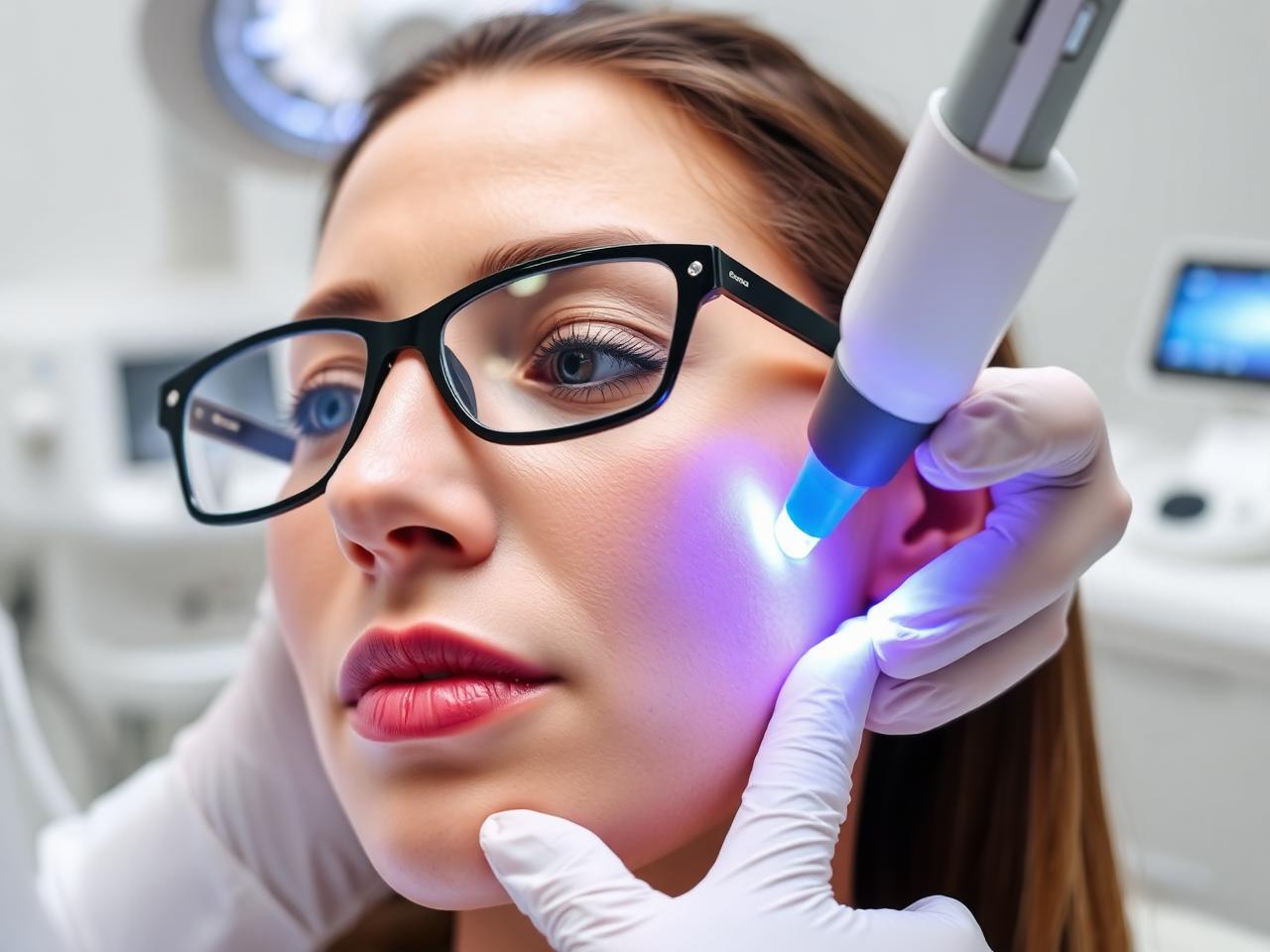
Acne scars are one of the most difficult skin concerns to treat well in Dubai, and one of the most commonly mis-treated. The reason is biological: a scar is not a stain on the surface — it is a structural change in the dermis where collagen has been lost, disorganised or pulled out of shape. No facial, peel or cream alone will rebuild that architecture. As Medical Director at Silk Clinics in Dubai Healthcare City, I see patients every week who have spent thousands on the wrong protocol for their scar type or skin tone. This 2026 guide is an honest, doctor-led look at the best acne scar treatments in Dubai — what each one actually does, which scar types it suits, and how we sequence them safely on Middle Eastern and darker skin.
The goal here is realistic improvement, not transformation marketing. A credible acne scar plan in Dubai aims for meaningful softening of texture, more even light reflection across the cheek, and reduced visibility under direct lighting — typically 50–80% improvement across a structured course rather than 100% removal. Anyone promising complete erasure of established atrophic scars is overpromising.
Why Acne Scars Are Difficult to Treat
Acne scars sit deep in the dermis. The inflammation of the original breakout damages collagen, and the body's repair response either lays down too little collagen (atrophic scars — the depressed kind), too much (hypertrophic or keloid scars — the raised kind) or pigment changes that linger long after the spot itself has cleared (post-inflammatory hyperpigmentation, PIH). Each of these requires a different treatment philosophy, and most patients have a mix.
On top of this, Dubai adds three layers of complexity. First, year-round UV exposure makes any treated skin vulnerable to pigmentation rebound if sun protection and recovery are not strictly managed. Second, our patient population spans Fitzpatrick skin types II through VI, and treatments that work beautifully on lighter skin can cause hyperpigmentation or hypopigmentation on melanin-rich skin if energy settings and patient selection are wrong. Third, lifestyle factors — humidity, frequent travel, gym schedules, makeup use — affect downtime planning in ways that matter clinically, not just cosmetically.
Personalised treatment planning is therefore non-negotiable. Two patients with the same visible scar pattern can require very different protocols depending on skin tone, scar depth, scar type, age, history of pigmentation and how their skin has previously responded to energy-based devices. This is why a credible acne scars consultation should always start with a clinical assessment rather than a fixed package.
Understanding the Different Types of Acne Scars
Before any treatment is discussed, our doctors classify the scars themselves. The four most common patterns we see at our Dubai Healthcare City clinic are:
**Ice pick scars.** Narrow, deep, V-shaped scars that look like the skin has been pierced with a fine instrument. Typically found on the cheeks and temples. Because they extend deep into the dermis, surface-only treatments rarely help — they usually need focal techniques such as TCA CROSS, punch elevation or deep fractional CO2 laser.
**Boxcar scars.** Wider, U-shaped scars with sharp vertical edges, often on the cheeks and jawline. They respond well to fractional resurfacing and microneedling RF because the goal is to soften the edges and stimulate collagen inside the base of the scar.
**Rolling scars.** Broad, shallow, wave-like depressions caused by fibrous tethering between the skin and underlying tissue. They tend to be the most amenable to combined treatment — subcision to release the tether, followed by collagen-stimulating modalities and sometimes skin boosters or biostimulators to restore volume.
**Post-inflammatory hyperpigmentation (PIH) and erythema.** Not strictly a scar, but a long-lived discolouration left behind after the inflammation has resolved. Common on Middle Eastern, South Asian, North African and Mediterranean skin. PIH is treated with pigmentation protocols, gentle resurfacing and strict sun protection rather than aggressive laser energy.
Hypertrophic and keloid scars from acne are less common on the face but more frequent on the chest, shoulders and back. They require a different protocol entirely — typically intralesional steroid, vascular laser or combination care — and are not the focus of this guide.
Best Treatments for Acne Scars in Dubai
There is no single best treatment for acne scars in Dubai. The best treatment is the one that matches your specific scar type, skin tone and tolerance for downtime. The following modalities are the ones we use most consistently at Silk Clinics, alone or in combination.
Fractional CO2 Laser
Fractional CO2 laser remains the gold-standard resurfacing tool for moderate to severe atrophic acne scars. It works by delivering thousands of tiny columns of controlled thermal energy into the dermis, triggering a powerful collagen remodelling response while leaving healthy skin between the columns to speed recovery. Over the following 8–12 weeks the body rebuilds collagen inside and around each treated zone, softening the visible scar architecture.
Fractional CO2 is most effective for boxcar scars, deeper rolling scars and mixed-pattern scarring. Settings must be tailored carefully on Fitzpatrick IV–VI skin — lower density, conservative energy and structured pre- and post-care pigmentation protocols reduce the risk of post-inflammatory pigmentation. In our Dubai clinic this treatment is doctor-led, never delegated to a non-clinical operator, and is always combined with strict sun protection and a structured recovery plan.
Most patients need 2–4 sessions spaced 8–12 weeks apart to see the full collagen result. Downtime is real: expect 5–7 days of pinkness, fine peeling and a tight feeling, with continued subtle improvement for three months after each session.
Scarlet S RF Microneedling
Scarlet S microneedling RF combines fine medical needles with radiofrequency energy delivered at a precise depth in the dermis. Because the energy is delivered through the needles rather than across the skin surface, this technique is one of the safest collagen-stimulation tools available for darker skin tones — the epidermis is largely spared while the dermis is remodelled.
Microneedling RF is particularly well suited to rolling scars, mild to moderate boxcar scars and overall textural irregularity. It also improves pore size, fine lines and skin laxity in the same session — making it a versatile choice for patients with mixed concerns. Downtime is meaningfully lower than CO2: typically 24–48 hours of mild redness and a sandpaper feel, with social downtime closer to two days.
A typical course is 3–4 sessions spaced 4–6 weeks apart, with maintenance every 9–12 months. Microneedling RF and CO2 are not competitors — they are complementary, and many patients do best on a plan that uses both in sequence.
PRP and PRF
Platelet-rich plasma (PRP) and platelet-rich fibrin (PRF) use the patient's own platelet-derived growth factors to support skin healing and collagen synthesis. For acne scars, PRP is most useful as an accelerator and amplifier — injected or topically applied after microneedling, CO2 laser or subcision, where it reduces inflammation, shortens redness and improves the final collagen remodelling result.
On its own, PRP will not erase atrophic scars. Combined with a structural modality, it consistently improves the depth and quality of the outcome. PRF, with its slower release of growth factors via a natural fibrin matrix, is often used where a more sustained regenerative signal is preferred. The principle of regenerative scalp care described in our PRP & PRF Hair page applies just as much to facial collagen — biology delivers the result, the device only triggers it.
Exosome Therapy
Exosomes are nano-sized signalling vesicles that deliver a highly concentrated, lab-purified regenerative message to skin cells. In acne scar protocols, exosomes are most powerful when delivered immediately after microneedling RF or CO2 laser — they reduce post-procedure inflammation, shorten downtime and noticeably improve the collagen response in the weeks that follow.
Exosome Therapy has a particular value on melanin-rich skin because of its strong anti-inflammatory effect. Reducing inflammation after energy-based treatment is one of the most important variables in preventing post-inflammatory hyperpigmentation, which is the single most feared side effect on Fitzpatrick IV–VI skin. Used inside a structured plan, exosomes make aggressive collagen-stimulation safer, not less effective.
Skin Boosters and Biostimulators
Skin boosters such as injectable hyaluronic acid hydrators and biostimulators such as polynucleotide preparations (including Salmon DNA PDRN) do not resurface the skin — they rebuild hydration, elasticity and dermal quality in the scarred field around the scar. Patients with widespread textural irregularity, dehydrated skin or thin, ageing cheeks often benefit from layering Skin Boosters alongside their resurfacing plan.
Skin boosters are particularly useful in patients who have already done 1–2 CO2 sessions and want to maintain skin quality, improve elasticity and refine pore appearance without committing to further downtime.
Regenerative Combination Protocols
The most consistently effective acne scar plans in Dubai are not single-treatment courses — they are sequenced combinations. A typical regenerative plan might combine microneedling RF with exosomes on one visit, fractional CO2 with PRP on another, and a skin booster session in between to maintain quality. The role of regenerative medicine protocols is to support and amplify the structural work rather than replace it.
These combinations are designed across a 6–9 month treatment arc and reviewed at each visit. The aim is to layer modalities that address different layers of the scar — surface, mid-dermis, deep dermis and pigmentation — without over-treating the skin or stacking inflammation.
Which Treatment Is Best for Different Scar Types?
There is no universal best — only the best for your scar pattern. The following table reflects how our doctors typically prioritise treatments at Silk Clinics; final planning is always individualised after consultation.
**Ice pick scars** respond best to focal techniques (TCA CROSS, punch elevation) combined with deep fractional CO2 laser. Pure microneedling rarely reaches deep enough.
**Boxcar scars** respond well to fractional CO2 laser and microneedling RF, often layered with PRP or exosomes for amplification.
**Rolling scars** are best treated with subcision to release tethering, followed by microneedling RF, biostimulators or skin boosters to restore the dermal scaffold.
**Mixed atrophic scarring** is most effectively managed with a sequenced CO2 + RF microneedling + regenerative combination across 6–9 months.
**Post-inflammatory hyperpigmentation** is treated primarily with pigmentation protocols, gentle peels, hydrating skin boosters and very strict sun protection — not aggressive laser, which can worsen it.
**Active acne with early scarring** is treated first as acne, with regenerative support; resurfacing is deferred until the inflammatory phase is controlled.
Acne Scar Treatments for Middle Eastern and Darker Skin Tones
Dubai is one of the most diverse skin-tone cities in the world, and a credible acne scar clinic must be fluent in treating Fitzpatrick III–VI skin safely. Melanin-rich skin carries a higher risk of post-inflammatory hyperpigmentation after any energy-based treatment — but with the right protocol, every modality discussed above can be used safely.
Several principles guide our work on darker skin tones at Silk Clinics. We favour lower-energy, multi-pass approaches over a single aggressive session. We prefer technologies that bypass the epidermis (microneedling RF) where possible. We pre-treat with pigment-stabilising regimens such as topical tyrosinase inhibitors for 2–4 weeks before deeper resurfacing. We deliver exosomes or PRP immediately after energy-based treatment to suppress inflammation. And we enforce strict broad-spectrum SPF and post-treatment care non-negotiably for at least four weeks.
The single most important factor is not the device — it is the doctor's experience with melanin-rich skin. A practitioner who treats only Fitzpatrick I–II patients should not be your first choice for acne scar resurfacing in Dubai, regardless of how impressive the technology sounds.
What to Expect During Recovery
Recovery is one of the most under-discussed aspects of acne scar treatment in Dubai. Honest expectations make a meaningful difference to patient satisfaction.
After CO2 Laser (fractional CO2), expect 5–7 days of pinkness, fine peeling and a sandpaper texture; makeup is usually possible after day 4–5, gym after day 5–7, sun exposure must be strictly avoided for at least four weeks, and continued subtle improvement occurs over three months as collagen remodels.
After Scarlet S Microneedling RF (Scarlet S microneedling RF), expect 24–48 hours of redness and warmth, light flaking for 2–3 days, and full social downtime closer to two days. Collagen remodelling continues for 8–12 weeks.
After PRP or exosome-only sessions, expect 12–24 hours of mild redness; combined microneedling-plus-regenerative sessions add a day or two of pinkness. There is no significant downtime on its own.
Across all modalities the early visible change is reduced redness and smoother light reflection. The deeper benefit — softening of scar depth, more even skin architecture — develops gradually over the following two to three months and continues to improve session by session. Patience and consistent sun protection are part of the protocol, not optional extras.
Can Acne Scar Treatments Be Combined?
Yes, and they usually should be. Most credible acne scar plans in Dubai combine modalities across a 6–9 month course. The most effective combinations we use include:
**Fractional CO2 + PRP/PRF.** CO2 delivers the structural collagen stimulation; PRP applied immediately after reduces redness, shortens downtime and improves the final remodelling outcome. Particularly useful in moderate to severe atrophic scarring.
**Microneedling RF + exosomes.** RF microneedling stimulates collagen safely in the dermis; exosomes calm post-procedure inflammation and amplify the regenerative signal. Highly suitable for darker skin tones where inflammation control matters most.
**Subcision + biostimulators or skin boosters.** Subcision physically releases the fibrous tethers behind rolling scars; biostimulators or Skin Boosters then rebuild the dermal scaffold so the released scar does not re-tether.
**Laser or microneedling + pigmentation protocols.** Patients with combined scarring and PIH often need to address the pigmentation in parallel using gentle peels, topical regimens and pigment-stabilising care — see our pigmentation treatment page for more.
**Resurfacing + wider skin treatments maintenance.** A structured course of Hydrafacial, Chemical Peels and barrier-focused homecare protects the result between in-clinic sessions.
These combinations are designed end-to-end at consultation. The point is not to do more treatments — it is to sequence the right ones in the right order for the patient's scar pattern and skin tone.
Medical Standards and What Sets Silk Clinics Apart
Acne scar treatment is medicine, not retail. At Silk Clinics every plan is governed by a consistent clinical framework: doctor-led assessment of scar type, depth and distribution; Fitzpatrick skin-type evaluation with explicit attention to pigmentation risk; realistic expectation-setting before any device is fired; customised energy settings and protocol design rather than fixed packages; structured pre-treatment, intra-treatment and post-treatment pigmentation management; and clinical review at every visit, with adjustments made based on actual response.
We decline treatment openly when it is not in the patient's interest — active acne breakouts, recent isotretinoin use within the recommended interval, unhealed skin conditions, pregnancy and unrealistic expectations are all grounds to delay or redirect. Saying no when it matters is part of a credible acne scar clinic in Dubai, not a marketing weakness.
Final Word — Planning Your Acne Scar Treatment in Dubai
The best acne scar treatment in Dubai is rarely a single device — it is a doctor-led plan that matches the right modalities to your specific scar type, skin tone and lifestyle. CO2 laser, Scarlet S microneedling RF, PRP, exosomes, skin boosters and pigmentation protocols are all powerful tools when sequenced correctly. They disappoint when chosen on price, marketing or device hype.
If acne scars have been a long-standing concern, the most useful first step is an honest clinical consultation — scar mapping, skin-tone assessment, pigmentation review and a structured 6–9 month plan that explains exactly what will be done, in what order, with what expected downtime, and what realistic improvement to expect. That is the conversation we have at Silk Clinics in Dubai Healthcare City, every day.
Suggested SEO Image Filenames and Alt Text
For internal reference and any future blog imagery, the following file naming and alt-text patterns reflect the medical, Dubai-anchored and keyword-rich style we use across the site:
1. `best-acne-scar-treatments-dubai-silk-clinics-healthcare-city.jpg` — alt: "Best acne scar treatments in Dubai — gloved dermatologist performing fractional CO2 laser resurfacing on a patient's cheek for atrophic acne scars at Silk Clinics, Dubai Healthcare City."
2. `fractional-co2-laser-acne-scars-dubai-silk-clinics.jpg` — alt: "Fractional CO2 laser treatment for acne scars in Dubai — close-up of a CO2 laser handpiece treating boxcar and rolling scars on a patient's cheek at Silk Clinics, Dubai Healthcare City."
3. `scarlet-s-rf-microneedling-acne-scars-dubai.jpg` — alt: "Scarlet S RF microneedling for acne scars in Dubai — radiofrequency microneedling device applied to a patient's cheek for collagen remodelling and scar softening at Silk Clinics, Dubai Healthcare City."
4. `prp-prf-acne-scars-dubai-silk-clinics.jpg` — alt: "PRP and PRF for acne scars in Dubai — gloved doctor preparing a platelet-rich plasma tube alongside microneedling tools at Silk Clinics, Dubai Healthcare City."
5. `exosome-therapy-acne-scars-darker-skin-dubai.jpg` — alt: "Exosome therapy for acne scars on darker skin in Dubai — clinician applying exosome serum after microneedling on Fitzpatrick V skin at Silk Clinics, Dubai Healthcare City."
6. `acne-scar-types-ice-pick-boxcar-rolling-dubai.jpg` — alt: "Acne scar types explained — clinical illustration of ice pick, boxcar and rolling acne scars assessed by a dermatologist at Silk Clinics, Dubai Healthcare City."
Browse the category
Explore all Laser Treatments in DubaiPremium laser treatments in Dubai using advanced FDA-cleared platforms for hair removal, pigmentation, skin rejuvenation, vascular concerns and resurfacing.
Frequently asked questions
About the author
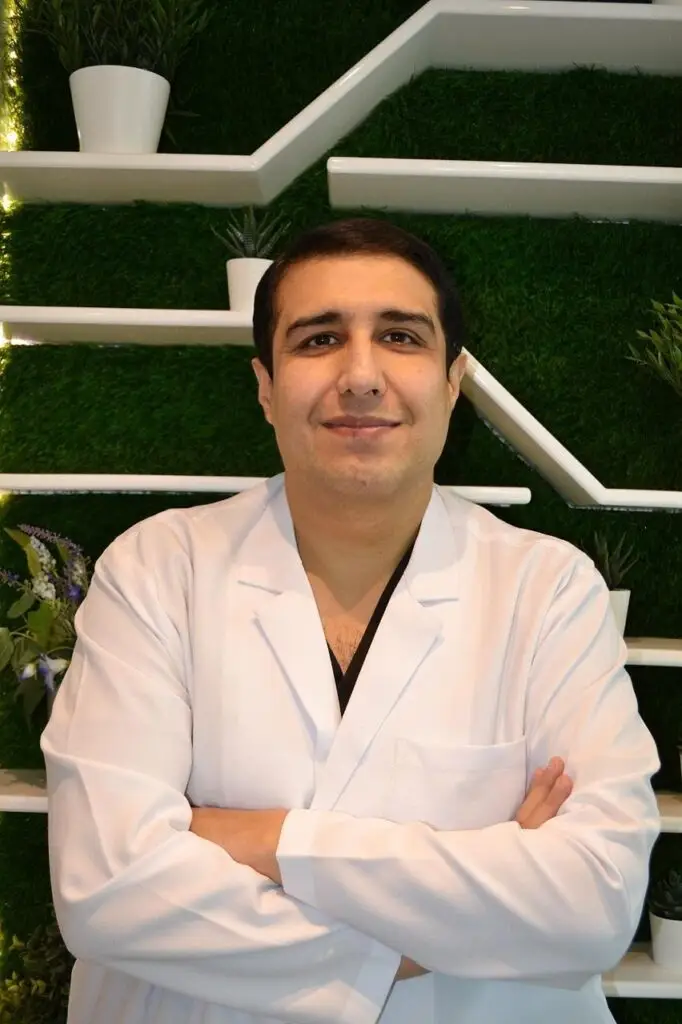
Medical Director — Aesthetic & Regenerative Medicine
Leading Silk Clinics with years of experience in aesthetic medicine, Dr. Ahmed oversees clinical excellence across all departments and personally treats complex aesthetic cases.
- MD — Aesthetic Medicine
- Advanced Diploma in Regenerative Therapy
- Member, IMCAS
Medically reviewed by Dr. Suzanne — Aesthetic Doctor, Injectables & Skin.